Why Choose an Industrial Laser Cutter for Your Business?
For a fabrication business, an industrial laser cutter can turn a marked sheet of steel into clean, repeatable parts with less manual handling. The real value, however, depends on the work you run every day. A shop cutting thin stainless panels has different needs from one processing thick plate or mixed materials. Power, bed size, cutting head, assist gas, software, and extraction all affect results. A neat sample cut is useful. It is not the whole story.
Before comparing machines, review actual job files, material grades, thickness ranges, and required edge quality. Ask suppliers for test cuts on your own stock, then inspect burrs, heat effects, corner detail, and cycle time. Include setup, operator training, maintenance access, consumables, and downtime in the cost calculation. Numbers on a brochure rarely show the full production rhythm.
This guide explains where laser cutting can improve throughput, consistency, and design flexibility—and where it may not. Laser systems require suitable ventilation, guarding, trained operation, and regular checks; needs vary by equipment and workplace. Their performance also depends on material and process settings. No machine is magic. The best choice is not automatically the most powerful model, but the one that fits your parts, operators, floor space, and growth plans. Some details only become clear after a real production trial, and that is worth admitting.
How Industrial Laser Cutters Work in Business Settings
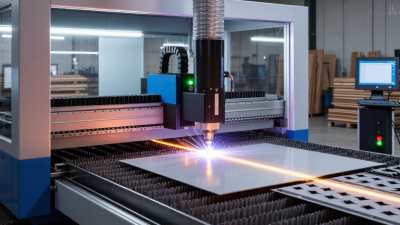
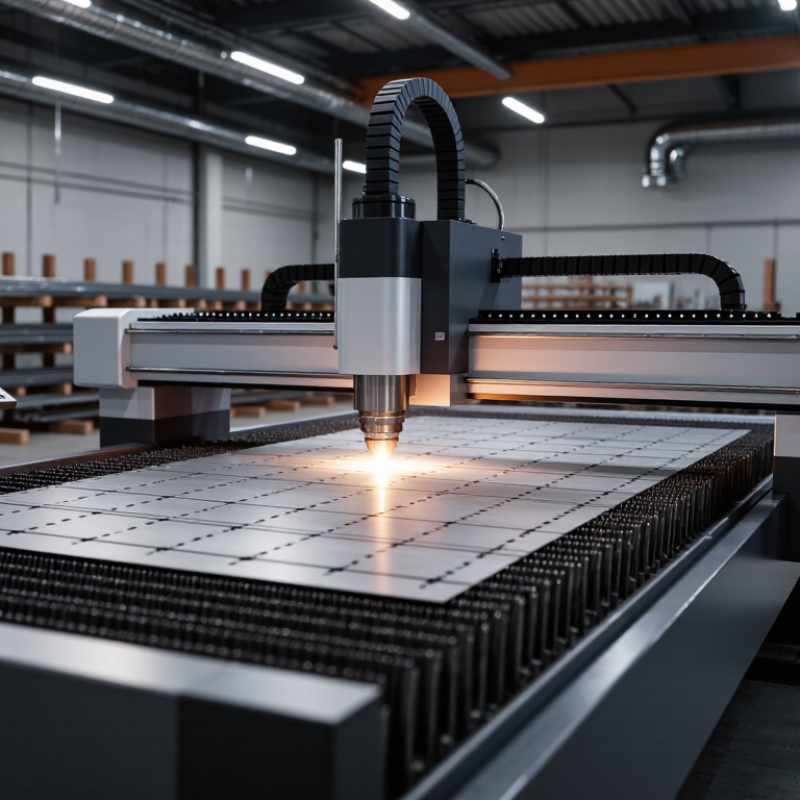
In a production shop, an industrial laser cutter turns a digital drawing into a controlled path across sheet material. A laser source sends a beam through optics, focusing it into a small, intense spot. The CNC system moves the cutting head or worktable, while assist gas clears molten material from the cut. Results depend on power, focus, feed rate, gas pressure, and material thickness—not power alone. Small details matter. A dirty protective window can roughen an edge or lead to extra inspection.
Business systems may link the cutter with CAD/CAM nesting, loading stations, and downstream bending or welding. This can reduce manual handling and support repeat jobs, but only when material supply and scheduling are reliable. The International Federation of Robotics’ World Robotics 2024 report counted 4,281,585 industrial robots operating worldwide in 2023. That figure shows the scale of industrial automation, not that every laser cell needs a robot. A trained operator and effective fume extraction may matter more than added complexity. Not magic. A perfect edge can also cost too much time; each shop must decide what quality the part actually needs.
Tips: Test a sample using the intended material and thickness. Check edge quality, kerf width, and cycle time before setting production parameters. Keep extraction filters and optics on a documented inspection schedule.
Which Materials and Production Tasks They Can Handle
An industrial laser cutter can process carbon steel, stainless steel, aluminum, brass, and copper, but the right setup depends on thickness, finish, and laser type. Fiber lasers commonly cut sheet metal; CO2 systems can suit materials such as acrylic, wood, and textiles. Check each material against the machine’s specifications and safety controls. Reflective metals, for example, need suitable equipment and process settings.
The production range is practical: flat blanks, brackets, panels, slots, holes, and repeated nested parts. A shop can switch designs without making a new stamping die, which helps with prototypes and short runs. World Steel Association’s World Steel in Figures 2025 reports 1,882.6 million tonnes of crude steel production in 2024, showing the scale of steel use—but not how fast any cutter will process a job. That is where sales charts fall short. Ask for a sample cut in your actual material and thickness; inspect the edge, burrs, and heat marks. I’d also check extraction needs and loading time. They are easy to overlook.
Why Choose an Industrial Laser Cutter for Your Business? - Which Materials and Production Tasks They Can Handle
| Material |
Common Laser Type |
Typical Production Tasks |
Business Advantages |
Important Considerations |
| Carbon and mild steel |
Fiber laser |
Cutting sheet-metal profiles, brackets, panels, enclosures, and machine components |
Precise repeatable cuts; suitable for nested parts and batch production |
Cutting capacity depends on laser power, material grade, assist gas, and machine configuration. |
| Stainless steel |
Fiber laser |
Producing kitchen components, equipment panels, signage, and fabricated parts |
Can produce detailed contours with a narrow kerf and limited mechanical contact |
Assist-gas selection and settings affect edge appearance and oxidation. |
| Aluminum and other non-ferrous metals |
Fiber laser |
Cutting lightweight panels, brackets, covers, and precision metal parts |
Supports accurate processing of reflective metals when used with suitable equipment |
Reflectivity and heat transfer require a laser system designed and configured for the material. |
| Acrylic (PMMA) |
CO₂ laser |
Cutting displays, signs, light guides, product components, and decorative pieces |
Can create intricate shapes and, under suitable settings, smooth-looking cut edges |
Use material intended for laser processing; results vary with sheet type and thickness. |
| Wood and plywood |
CO₂ laser |
Cutting panels, packaging inserts, craft products, templates, and architectural models |
Well suited to detailed designs and repeatable cutting or engraving jobs |
Natural variation, glue layers, and moisture can affect cut quality; extraction is essential. |
| Paper, cardboard, and textiles |
CO₂ laser |
Cutting packaging prototypes, labels, fabric panels, patterns, and soft-goods components |
Enables intricate shapes and can reduce the need for dedicated cutting dies |
Use appropriate fire prevention, ventilation, and material-specific settings. |
| Leather |
CO₂ laser |
Cutting patterns, accessories, upholstery pieces, and decorative details |
Useful for detailed profiles and repeatable small-batch production |
Confirm material composition and provide effective fume extraction before processing. |
Planning note: Material compatibility, cut quality, and throughput depend on laser source, power, optics, assist gas, workholding, and extraction. Never laser-cut PVC or unknown plastics; they can release hazardous and corrosive gases. Check the material safety information and equipment guidance before production.
How Laser Cutting Improves Speed, Precision, and Product Quality
An industrial laser cutter turns a digital drawing into a programmed path, reducing manual layout and tool changes between jobs. On a sheet-metal line, that can mean nested parts cut in one run, with fewer pauses to reposition stock. The gain depends on material, thickness, and settings; a poorly tuned machine can still waste a sheet. Not every first cut is right.
Precision is measurable, not just a sales claim. ISO 9013:2017 defines five quality ranges for thermal-cut surfaces, assessed through measures such as perpendicularity and surface profile. Those checks help teams compare cut quality and set acceptance criteria. A narrow kerf can also preserve more usable material in tightly nested parts, while a clean edge may reduce deburring. It is worth checking both results on actual production parts.
For consistent quality, operators need to match focus, assist gas, and feed rate to each material. A visible burr or heat discoloration can signal a setting problem, but it does not explain the cause by itself. Record trial-cut results, inspect edges, and review scrap rates over time. That extra checking takes time. It can reveal whether faster cutting truly improves throughput without shifting costs into rework.
What Costs and Operating Requirements Businesses Should Consider
An industrial laser cutter can speed up repeat jobs, but the purchase price is only part of the cost. Include installation, extraction equipment, electrical upgrades, and any cooling system in your budget. Ask for a site assessment before ordering; a machine that fits on paper may not fit through the workshop door. Check the power supply and floor space, too.
Tips: Track actual cutting hours for a few weeks. Downtime matters. Compare those figures with the machine’s expected workload, and leave room for maintenance and operator training.
Running costs depend on material, thickness, and cutting settings. Lenses, nozzles, filters, and assist gases need regular attention or replacement. Dust extraction and cooling systems also use energy and require upkeep. Operators need training in setup, inspection, and safe handling of materials. Keep a maintenance log, and check cut quality at the start of each shift. One estimate can still miss the small costs, like time spent changing sheets or cleaning the work area. Be realistic about that. A detailed quote should specify what is included, what is optional, and what service support covers.
How to Choose a Laser Cutter for Long-Term Business Needs
Choosing an industrial laser cutter for long-term business needs starts with your actual workload. List the materials, thicknesses, and sheet sizes you process each week. A machine suited to thin stainless steel may not handle thicker plate at the speed your schedule requires. Check the cutting area against your largest routine job, not just an occasional oversized part. Consider power, motion accuracy, extraction, and available floor space together. A fast cutter can still become a bottleneck if loading takes too long.
Tips: Ask for a sample cut using your own material. Measure edge quality, kerf width, and cycle time. Confirm what routine maintenance involves, how quickly common parts can be supplied, and whether training is included. Compare total operating costs, not just purchase prices.
For a longer service life, review the control system, safety features, service access, and upgrade options with qualified operators. Request written specifications and clarify which figures depend on material or operating conditions. A spreadsheet helps, but it cannot predict every awkward job. Keep some room in your decision for future products, while avoiding capacity you are unlikely to use. The right choice is not always the most powerful one; it is the machine your team can run safely and consistently.