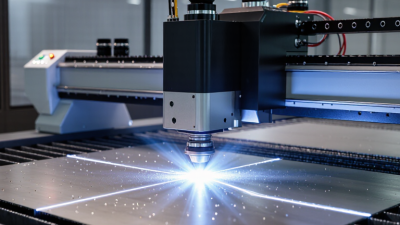
10 Best CNC Laser Cutter Machines for Small Business
Small businesses are choosing laser fabrication for speed, repeatability, and compact workshop production. A CNC laser cutter can turn a digital drawing into clean parts within minutes. It can also expose weak planning very quickly.
Grand View Research estimated the global laser cutting machine market at approximately USD 6.8 billion in 2023. Its report projects continued growth through 2030, supported by automation and advanced manufacturing. MarketsandMarkets also identifies rising demand for flexible, computer-controlled cutting systems. These figures show momentum, but they do not guarantee profit for every workshop.
Power is not everything.
A 40-watt desktop machine may suit thin plywood, acrylic, and signage. A fiber system may better serve metal tags, brackets, and production components. Material thickness, bed size, autofocus, extraction, software, maintenance, and local electrical requirements matter more than impressive specifications alone.
Laser engineer Dr. John F. Ready offered a useful principle: “The laser is a tool whose usefulness depends on the application.” His work on industrial laser applications supports a practical buying approach. Match the machine to real materials, daily volume, and operator experience.
This guide compares ten CNC laser cutter machines for small businesses. It considers cutting performance, accuracy, workflow, running costs, safety features, and after-sales support. Prices and specifications can change. Some manufacturer claims also require careful checking.
That part is easy to underestimate.
A cheaper machine may demand frequent alignment or produce inconsistent edges. A stronger machine may waste energy when most jobs involve thin sheets. The best choice is rarely the largest one. It is the machine that fits your products, workspace, budget, and honest production forecast.
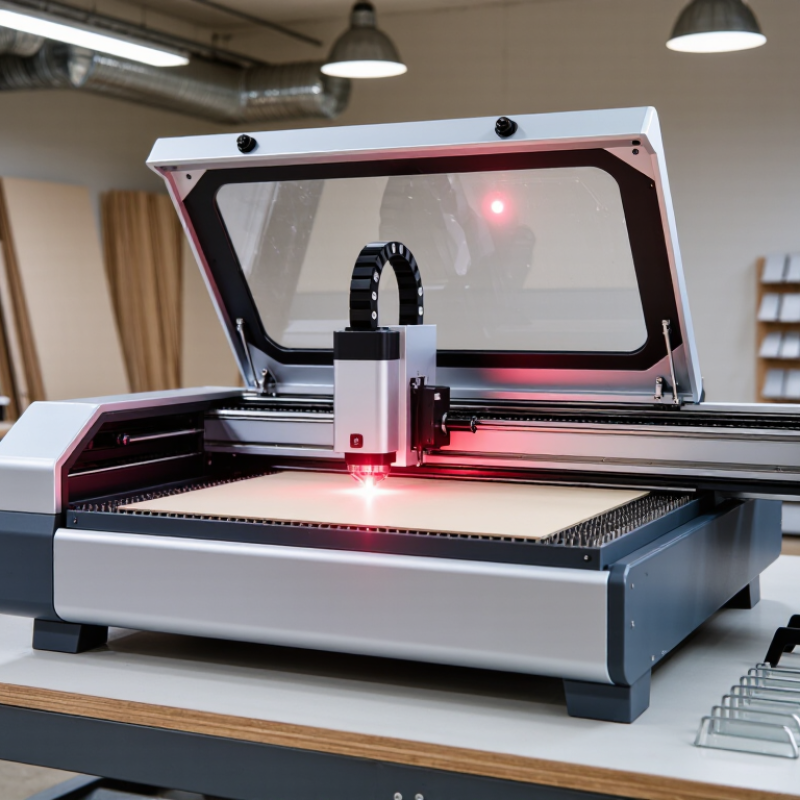
What Makes a CNC Laser Cutter Suitable for Small Businesses
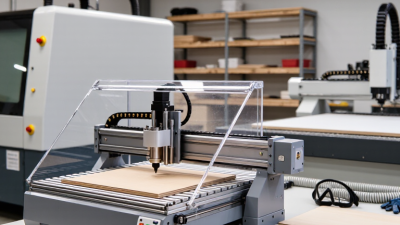
A suitable CNC laser cutter for a small business must solve practical problems, not only cut quickly. Grand View Research valued the global laser cutting machine market at about $6.8 billion in 2023. Its report also projects strong growth through 2030. This growth does not mean every machine fits a small workshop. A compact model should match your materials, order volume, available floor space, and electrical capacity.
In my experience, ease of setup often matters more than maximum power. A machine with clear controls, reliable ventilation, and accessible maintenance reduces lost production hours. Safety features are essential, including an enclosed work area, interlocked doors, emergency stopping, and approved fume extraction. OSHA guidance emphasizes controlling airborne contaminants and machine hazards through engineering controls. The machine should also support accurate repeat cutting, simple file transfers, and adjustable speed and power settings. Otherwise, cheap equipment can become expensive very quickly.
Tips: Measure your doorway, workbench, and extraction route before purchasing. Request sample cuts using your actual plywood, acrylic, leather, or paper stock. Check service response times and replacement-part availability. Review duty cycles, warranty terms, and software compatibility. A small business may not need the highest wattage. I once underestimated ventilation space, and the installation became awkward. That mistake is worth planning around. Market forecasts can look impressive, but your weekly orders are the more honest investment test.
10 Best CNC Laser Cutter Machines for Small Business
What Makes a CNC Laser Cutter Suitable for Small Businesses?
The chart rates the main selection criteria for a small-business CNC laser cutter on a practical 1–5 scale. Ease of use, safety, operating cost, workspace efficiency, material flexibility, and reliable cutting performance are prioritized because they directly affect productivity, startup investment, and daily workflow.
Key Specifications to Compare Before Choosing a Machine
10 Best CNC Laser Cutter Machines for Small Business
Key Specifications to Compare Before Choosing a Machine
A small workshop should compare usable cutting capacity, not showroom power. A 600 × 400 mm bed suits signs, panels, and small product parts. Larger beds improve productivity but consume valuable floor space. Laser power also matters. Low-power systems handle thin wood, acrylic, and coated materials. Higher-power systems cut thicker stock faster, yet they demand stronger extraction and electrical planning. Grand View Research estimated the global laser cutting machine market at over US$5 billion in 2023, showing why specification differences deserve careful attention.
Check cutting accuracy, repeatability, and motion speed separately. A machine may advertise 1,000 mm/s, but real production speed drops during corners and detailed patterns. For small businesses, repeatability under 0.05 mm can protect alignment across repeated orders. Ask for test cuts using your actual material. Clean edges matter more than impressive numbers.
Ventilation is not optional. Choose enclosed designs with monitored airflow, filtration, and accessible emergency controls. Review duty cycle, cooling requirements, software compatibility, and replacement-part availability. The Occupational Safety and Health Administration emphasizes controlling airborne contaminants through effective ventilation and engineering controls. That guidance should influence your budget. I would also measure noise and heat in the real workspace. Online specifications rarely show them. A spreadsheet can mislead. The cheapest machine may become expensive when lenses, filters, downtime, and training are included.
Ten CNC Laser Cutter Machines for Different Business Needs
10 Best CNC Laser Cutter Machines for Small Business
Ten CNC laser cutter machines fit different business needs. A compact diode machine suits craft sellers making signs, tags, and thin plywood items. A desktop CO2 machine cuts acrylic, wood, and cardboard with cleaner edges. An enclosed CO2 machine adds better ventilation control for shared studios. A fiber laser machine handles stainless steel, aluminum, and coated metal parts. It needs stronger safety controls and careful material testing.
A large-format gantry machine serves furniture panels, displays, and oversized artwork. A rotary-equipped machine helps engrave bottles, tubes, and cylindrical gifts. A dual-head machine can improve output for repeated orders, although alignment becomes more demanding. A hybrid laser machine combines metal marking with nonmetal cutting. This sounds flexible. It also increases maintenance complexity. A conveyorized machine supports continuous sheet processing for growing workshops. Production speed still depends on loading time, extraction, and operator skill.
For small businesses, the tenth option is a precision desktop machine for prototypes and short runs. Check its working area, laser power, autofocus, exhaust path, and emergency interlock. Run a small test grid before accepting customer material. Record cutting speed, power, kerf width, and edge quality. I would not choose the cheapest machine automatically. Replacement optics, calibration time, and service access can change the real cost. Some materials also release hazardous fumes, so verified ventilation and local compliance remain essential.
How to Match Each Machine With Common Production Tasks
10 Best CNC Laser Cutter Machines for Small Business
Choosing among ten CNC laser cutter machines becomes easier when production tasks come first. A compact diode cutter suits light engraving on coated wood, leather alternatives, and small signs. Select an enclosed CO2 cutter for acrylic panels, plywood parts, and repeated packaging inserts. Its larger bed reduces repositioning, which improves consistency during busy orders.
A fiber marking machine fits metal tags, tools, and serialized components. It does not replace a CO2 system for broad nonmetal sheets. For prototypes, choose a desktop model with simple focusing and dependable software. For batch work, prioritize a rigid gantry, larger work area, and stable cooling. These details matter more than impressive maximum speed.
I have seen small workshops lose time because smoke extraction was treated as an accessory. It is not. Check filtration, interlocks, lens cleaning access, and emergency controls before purchase. Test each machine with your actual material, not only a sample supplied by the seller. One overlooked issue is kerf variation across the bed. Measure cut width at several points, then adjust files accordingly. My own preference can be too cautious, especially when a slower machine meets the required accuracy. Still, predictable output usually protects margins better than headline power. Keep records for focus height, air pressure, and failed cuts. Those imperfect notes often reveal the best machine for your real production schedule.