What Is the Best Home Laser Cutter Machine from China?
Choosing the best home laser cutter machine from China requires more than comparing wattage and prices. A low-cost model may look attractive online, yet hidden limits can appear quickly. Weak ventilation, poor alignment, unclear software, or delayed technical support can turn a weekend project into a frustrating repair task.
Dan Shapiro, founder of Glowforge and a respected desktop fabrication educator, explains the basic appeal clearly: “A laser cutter is a machine that turns digital designs into real objects.” That idea matters at home. A suitable machine should cut or engrave common materials with steady accuracy. It should also fit your workspace, noise tolerance, and experience level. Compact diode lasers may suit thin wood, cardboard, leather, and coated surfaces. CO2 models usually offer stronger cutting performance, but they demand more space, cooling, and ventilation.
Safety cannot be treated as an optional feature. Look for a fully enclosed frame, emergency-stop controls, interlocks, reliable exhaust, and clear operating instructions. Verify electrical compatibility and check whether the manufacturer provides credible compliance documents for your region. Local regulations may also restrict fumes, noise, or installation conditions.
The “best” machine is not always the most powerful one. It may be the model with honest specifications, replaceable parts, responsive support, and useful user reviews. Some Chinese brands perform impressively. Others overstate their working speed. That is where careful testing becomes important.
This guide compares Chinese home laser cutter machine options through practical criteria, including cutting results, software, maintenance, safety, warranty support, and total ownership cost. The final choice may still involve compromise. That is normal. A reliable machine should make those compromises visible before purchase.
What Makes a Chinese Home Laser Cutter the Best Choice?
Choosing the best home laser cutter from China begins with practical needs, not attractive specifications.
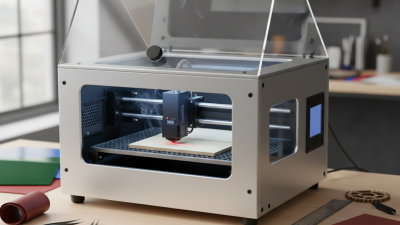
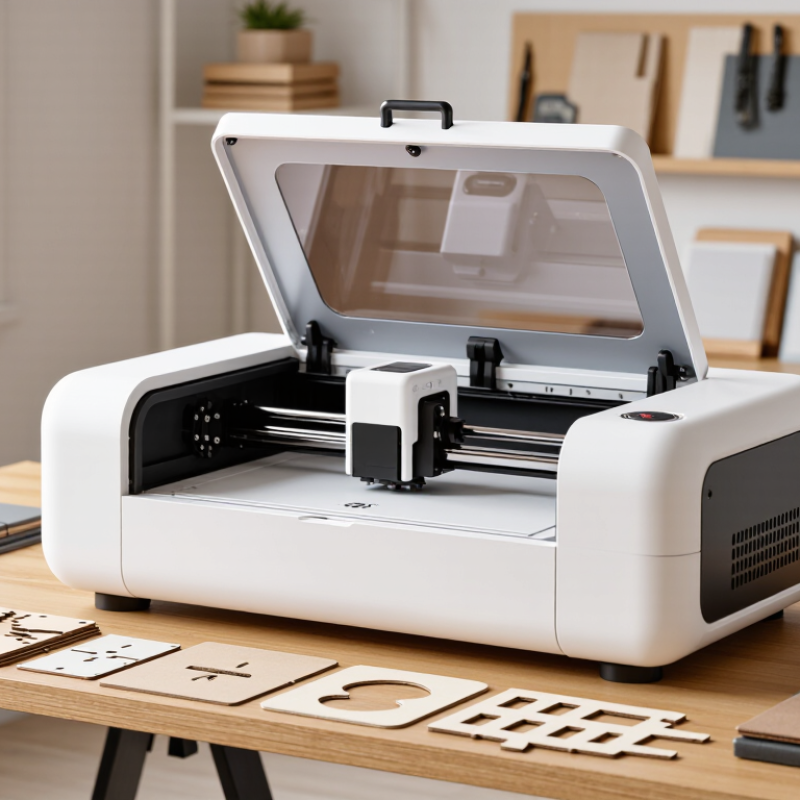
In a real workshop, cutting accuracy, safe operation, and easy maintenance matter every day. An enclosed frame helps control scattered laser light and protects curious hands. A clear viewing window, emergency stop, and stable ventilation system are essential details. Ventilation matters. Check safety documentation and local requirements before installation.
What makes a Chinese home laser cutter a strong choice is its balance of technology and value.
Many manufacturers offer compact designs, precise motion systems, and flexible power options for home users. Good documentation should explain setup, focusing, cleaning, and routine calibration. Responsive technical support also reduces downtime. Replacement lenses, mirrors, belts, and other common parts should be easy to identify and order. That support can matter more than a lower purchase price.
Material control separates a useful machine from a frustrating one.
For wood, acrylic, paper, and coated materials, adjustable speed and power help prevent dark edges or incomplete cuts. Software compatibility is equally important. Test small samples. I have found that even a capable machine may need patience during its first calibration. Noise, fumes, and floor space can also become unexpected problems. A thoughtful Chinese home laser cutter should fit the user’s workspace, skill level, and safety habits without promising perfection.
Which Laser Type and Power Suit Your Home Projects?
For most home projects, a 5–20W diode laser is the practical starting point. It can cut thin wood, cardboard, leather, and some dark acrylic. A 40–60W CO2 laser handles thicker wood and clear acrylic more effectively. It can also engrave glass, but cutting glass is not a realistic home task. Fiber lasers are mainly designed for metal marking, so they are usually excessive for craft materials.
Grand View Research reported that the global laser cutting machine market could grow at about 7.6% annually from 2024 to 2030. That growth does not mean every machine suits a home workshop. My first instinct was to recommend higher power, but that advice ignores noise, ventilation, space, and electrical demand. A cheaper diode machine may work better beside a small desk, provided it has an enclosed design and reliable emergency controls. Check IEC 60825-1 laser safety compliance and local ventilation requirements before buying.
Tips: Match power to material thickness, not advertising claims. Test a small sample first. Leave ventilation space around the machine. A 10W diode may cut 3mm plywood slowly, while a 50W CO2 unit can finish it faster. However, plywood glue varies, and real results can disappoint. Keep a fire extinguisher nearby, never leave the laser running, and inspect the air-assist system regularly.
How to Compare Cutting Performance, Safety, and Build Quality
When choosing a home laser cutter from China, compare measured output, not advertised wattage. A 2024 Grand View Research analysis projects the global laser-cutting machine market to grow at about 8.6% annually through 2030. However, that report covers industrial equipment too. Home buyers need smaller, repeatable tests.
Cut identical 3 mm plywood squares at the same speed and power. Record edge charring, kerf width, and completed cuts per minute. Test at least twenty pieces. A clean edge matters more than a dramatic maximum thickness claim. Check whether the machine maintains focus across the bed. It may not. Uneven rails can create darker corners and inconsistent engraving.
Safety deserves stricter attention. IEC 60825-1 classifies laser products by accessible emission risk, while OSHA identifies beam exposure, reflected light, fumes, and fire as key hazards. Choose a fully enclosed design with a reliable lid interlock, emergency stop, ventilation port, and documented electrical protection. Never trust a transparent cover without verified filtering information. For exhaust, measure airflow where possible, and use approved filtration or outdoor ducting according to local rules. Build quality appears in square frames, rigid gantries, protected cables, and stable power supplies. Ask for inspection records, test videos, and replacement-part availability. A low price can hide weak cooling or poor alignment. That weakness is expensive.
What Features Should You Check Before Buying?
Choosing the best home laser cutter from China starts with fit, not headline wattage. A 10W diode machine may handle plywood, leather, and coated metal, while a CO2 model cuts acrylic more effectively. According to Grand View Research, the global laser cutting machine market reached about USD 5.5 billion in 2022. That growth reflects wider access, but not every compact machine suits household work.
Check the working area, lens quality, motion accuracy, and real cutting speed. Ask for measured test results, not only advertised power. Air assist should reduce flame risk and improve edge quality. An enclosed design, lid interlock, emergency stop, and filtered exhaust are essential for indoor use. The IEC 60825-1 laser safety standard is a useful reference. It does not replace local compliance checks. Keep that in mind.
Software compatibility matters too. Confirm support for common vector files, offline operation, and clear error messages. A camera can improve alignment, but poor calibration creates wasted material. Check input voltage, plug type, spare lenses, warranty terms, and response times before ordering. UL Solutions notes that laser equipment safety depends on both engineering controls and user procedures. That is easy to underestimate. I would also request a live cutting video using your preferred material, because supplier samples can look unusually perfect. Availability of replacement parts may matter more than an extra few watts.
How to Choose a Reliable Chinese Manufacturer and Model
Choosing the best home laser cutter from China starts with the manufacturer, not the lowest price. A reliable supplier should explain its factory process, testing standards, and after-sales support clearly. Request recent workshop videos, electrical specifications, and safety documents for your market. Ask for evidence.
A serious manufacturer should provide sample cuts using your materials. Send plywood, acrylic, or leather pieces with different thicknesses. Test the edge quality, cutting speed, smoke extraction, and engraving detail. Test the machine. A clean cut at one setting proves little. Ask how the machine performs after several continuous hours. Check the rails, lens access, cooling system, and emergency stop before ordering.
The model should match your workspace and actual projects. Measure the machine, ventilation route, door clearance, and power supply. Confirm software compatibility and file formats. A responsive engineer who answers technical questions is more valuable than a polished sales page. Review warranty terms, replacement-part availability, remote troubleshooting, and shipping protection. Request a written inspection checklist before payment. That matters.
Do not trust impressive claims without measurable results. Some specifications look excellent but hide limitations, such as unstable power or weak exhaust airflow. I would also avoid choosing too quickly; a cheaper model may cost more through downtime and replacement parts. No supplier is perfect. However, transparent communication, repeatable test results, and practical support usually reveal a dependable Chinese manufacturer. Allow room for doubt.
For a home laser cutter, the practical cutting capacity depends on laser type and power. These typical plywood thickness ranges are useful for comparing Chinese models, while reliability should also be evaluated through safety features, replacement-part availability, technical documentation, warranty support, and verified production quality.