What Is a Fiber Laser Machine Used For?

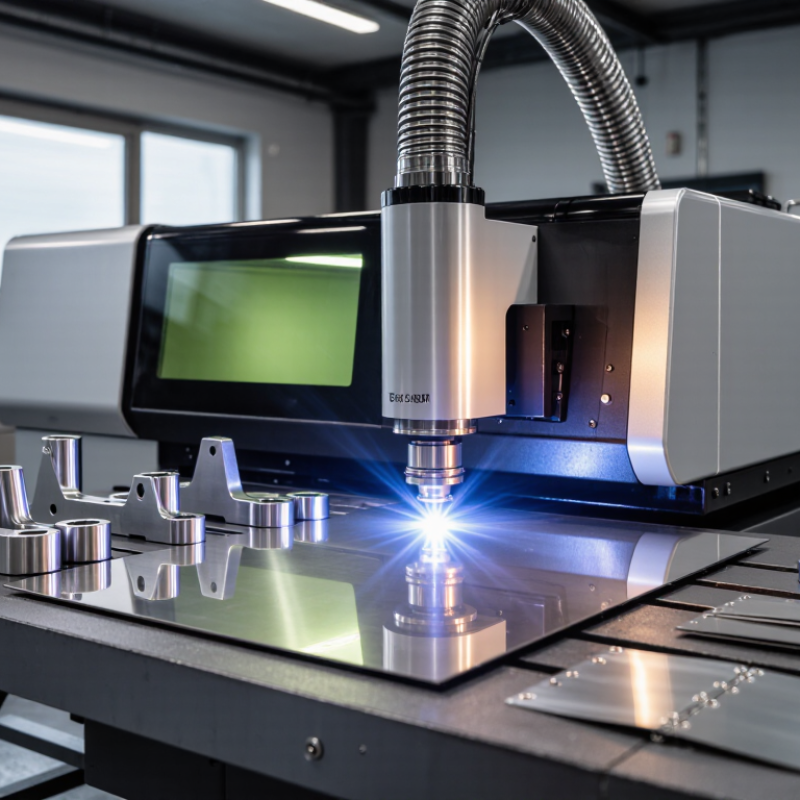
A fiber laser machine converts electrical energy into a concentrated beam that can cut, mark, engrave, or weld materials. In a fabrication shop, it might cut stainless-steel brackets, mark serial numbers on aluminum parts, or weld a small seam in sheet metal. The exact result depends on more than the machine’s power rating. Material type, thickness, focus, assist gas, and motion settings all matter.

Laser physicist Anthony E. Siegman’s work offers a useful principle: beam quality and control matter alongside output power. This is a paraphrase, not a verbatim quotation. It helps explain why two machines with similar power can perform differently on the same job. A clean cut on thin steel may be straightforward; a reflective surface or a thicker plate can demand different settings and careful testing. That sounds simple. It isn’t.

This guide explains what a fiber laser machine is used for, which materials it can process, and how its applications differ across cutting, marking, engraving, and welding. It also looks at practical limits, including speed, edge quality, setup, and maintenance. A machine is not automatically the right choice for every workshop. Matching it to real production needs takes measurement, experience, and a willingness to review early results.

What Is a Fiber Laser Machine Used For?

What a Fiber Laser Machine Is and How It Works

A fiber laser machine creates a concentrated beam inside a flexible optical fiber doped with rare-earth elements, commonly ytterbium. Pump diodes energize the dopant; the fiber amplifies the light until it exits as a narrow, high-intensity beam. SPIE technical references place common ytterbium fiber-laser wavelengths around 1,030–1,080 nanometers. That near-infrared light is readily absorbed by many metals, making it useful for cutting, marking, and welding.

Small beam diameter matters. A focusing lens can concentrate the light onto a tiny spot, where it heats, melts, or vaporizes material. In a cutting setup, assist gas clears molten metal from the kerf; on a marking station, controlled pulses alter the surface with little material removal. The laser source, scanner or cutting head, motion system, and cooling unit all affect the result. A bright, clean edge is not guaranteed by the source alone.

Industry tracking, including Laser Focus World’s annual laser-market reporting, identifies material processing as a major industrial use for laser systems. The practical details still matter more than the label. Thin stainless sheet and thick reflective copper behave differently, even under the same machine settings. SPIE’s published laser engineering references also describe beam quality and wavelength as key performance measures. Fiber lasers are efficient, but not magic. A poorly focused beam leaves rough edges. A small setup error can waste a good cut.

What Is a Fiber Laser Machine Used For? - What a Fiber Laser Machine Is and How It Works

Topic How It Works or What It Does Common Materials or Applications Practical Notes
What a fiber laser machine is A machine that generates laser light in an optical fiber doped with rare-earth elements, then directs the beam to a workpiece through an optical delivery system. Industrial marking, cutting, welding, engraving, and surface treatment. Many industrial fiber lasers emit near-infrared light, commonly around 1,064–1,080 nm.
How the laser is generated Laser diodes provide pump light. The doped fiber amplifies it, and the optical system focuses the resulting beam onto the material. Metal parts, components, tools, and manufactured products. Beam delivery through fiber can support a compact system design and consistent delivery to the processing head.
Marking and engraving A focused beam changes, removes, or anneals a small area of the surface to create text, codes, graphics, or shallow engravings. Stainless steel, aluminum, brass, some plastics, and coated or anodized surfaces. Results depend on material composition, surface finish, laser settings, and the required mark contrast.
Metal cutting High-intensity laser energy melts or vaporizes material along a programmed path; assist gas helps clear material from the cut. Commonly sheet metal such as mild steel, stainless steel, and aluminum. Cutting speed and maximum thickness depend on laser power, material, assist gas, optics, and machine configuration.
Welding The beam heats a joint so the adjoining metal surfaces melt and fuse. The process can be automated or performed with a handheld system. Metal assemblies, enclosures, components, and precision joints. Joint fit, material thickness, surface condition, and process settings affect weld quality.
Cleaning and surface preparation Controlled laser pulses remove or loosen selected surface contaminants, such as rust, paint, or oxide layers. Metal surfaces requiring preparation, restoration, or localized cleaning. Cleaning effectiveness and the risk of altering the substrate depend on the contaminant and carefully selected settings.
Materials and limitations Fiber lasers are especially well suited to many metals because these materials absorb near-infrared laser energy effectively. Metals are common; certain plastics can be marked with suitable settings and material formulations. Not every material is suitable. Some non-metals may respond poorly, and reflective materials require appropriate machine setup and safeguards.
Choosing a machine Match the laser type and configuration to the required process, material, part dimensions, production volume, and desired result. Production lines, workshops, fabrication facilities, and product identification tasks. Consider laser power, work area, automation, extraction, guarding, and applicable laser-safety requirements.

Materials That Fiber Laser Machines Can Process

Fiber laser machines are used mainly for cutting, welding, engraving, and marking metals. Common workpieces include stainless steel, mild steel, aluminum, brass, and copper. The Laser Institute of America’s laser-processing reference places many industrial fiber sources near 1.06 micrometers, a wavelength well suited to metal processing. Thin sheet can be cut into clean panels; thicker plate may need slower travel and more power. Small settings matter.

Reflective metals need extra care. Optical-constant data compiled by E. D. Palik show polished copper reflects roughly 95% of near-infrared light around this wavelength, though surface condition changes the result. That reflection can reduce energy absorption and complicate startup piercing. Fiber lasers also process some plastics, ceramics, and coated materials, but suitability depends on composition, thickness, and whether fumes or heat damage are concerns. A coating may mark differently from the base metal. Test a sample.

Wood, glass, and clear plastics are generally better suited to other laser wavelengths or processes. The material name alone is not enough: alloy, finish, and thickness all affect the cut edge. For example, a thin aluminum label and a thick aluminum plate are very different jobs. Check the machine’s material chart, then verify with a small test piece. References: Laser Institute of America, Laser Materials Processing; Palik, Handbook of Optical Constants of Solids.

Common Fiber Laser Operations: Cutting, Marking, Engraving, and Welding

What Is a Fiber Laser Machine Used For? Common Fiber Laser Operations: Cutting, Marking, Engraving, and Welding

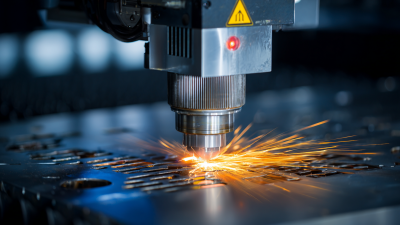
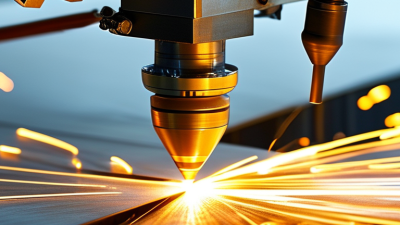
A fiber laser machine directs concentrated light onto metal, where heat removes or changes material. In cutting, a focused beam travels along a programmed path through sheet or tube. Assist gas clears molten metal from the kerf, leaving a narrow edge. Clean edges matter. Yet settings still need adjustment for material thickness, surface condition, and corner geometry. A fast cut can leave burrs if the gas flow or focus is wrong.

Marking changes a surface without cutting through it. It can add serial numbers, scales, or traceability codes to a metal part. Engraving removes more material, creating a tactile groove that remains visible after handling. Welding uses the beam to melt adjoining edges; a small, controlled spot helps limit heat spread. Not every joint is easy. Fit-up and shielding still matter. Grand View Research’s 2024 Laser Processing Market report estimated the global market at about USD 6.2 billion in 2023, with projected growth through 2030. That figure covers laser processing broadly, not fiber machines alone. It signals industrial demand, but does not tell a shop which operation suits its part. A practical trial on the actual material remains useful.

What Is a Fiber Laser Machine Used For?

Common operations include cutting, marking, engraving, and welding. The chart shows indicative laser source power ranges commonly used for these processes; actual requirements vary by material, thickness, machine, and production speed.

Industries That Use Fiber Laser Machines

Fiber laser machines serve metal fabricators, automotive suppliers, electronics makers, and aerospace manufacturers. A production cell may cut stainless-steel brackets, trim aluminum panels, or mark serial numbers on small components. The beam’s narrow kerf helps produce clean edges with less material waste. World Steel Association’s World Steel in Figures 2024 reports 1,888.2 million tonnes of crude steel production in 2023. That scale helps explain the need for repeatable metal processing, though it does not mean every steel producer uses laser machines. Not every job.

Electronics manufacturers use fiber lasers to cut thin metal housings and weld small parts. Aerospace suppliers may machine brackets and panels where consistent dimensions matter. The International Federation of Robotics reported 541,302 industrial robot installations worldwide in 2023 in World Robotics 2024. This points to growing factory automation, where laser systems can be integrated with robotic handling. Still, a laser is not automatically the best choice: reflective metals, thick sections, and surface finish requirements can change the process. A practical decision depends on material, thickness, production volume, and the quality checks each part must pass.

How Machine Type and Settings Shape Its Applications

A fiber laser machine is not a single-purpose tool; its motion system and settings shape the work it can handle.

A galvo marker steers a focused beam across a small area to mark serial numbers, QR codes, or logos on metal parts. A flatbed cutter moves the beam over sheet metal, while a tube-cutting system rotates round or shaped stock. The distinction matters. A compact marker can produce crisp text on a stainless-steel tool, but it is not designed to cut thick plate efficiently. Cutting also depends on suitable assist gas and effective fume extraction.

Power alone does not determine the result. Higher power may improve cutting capacity, but speed, focus position, nozzle spacing, and gas pressure all affect the cut edge. For marking, pulse frequency, pulse duration, and scan speed can shift a result from a faint surface mark to a darker, deeper one.

Test coupons help reveal those differences before a full production run. Coatings, surface finish, and material thickness can change the outcome, even when settings stay the same.

That is easy to underestimate. A small trial may save time, though it will not perfectly predict every production part.