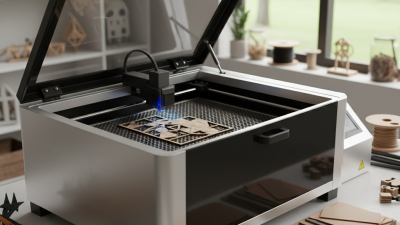
Top 10 Laser Cutting Machines Buyers Must Consider?
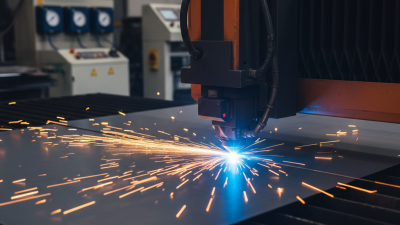
Choosing the right laser cutting machine can significantly impact your production quality and efficiency. With numerous options available, buyers often find themselves overwhelmed. Understanding the unique features and specifications of each model is crucial.
A laser cutting machine should align with your specific needs. Consider factors like power, speed, and material compatibility. Each of these elements plays a role in the machine's overall performance. For instance, a high-powered machine may excel with thicker materials but might be overkill for finer applications.
Moreover, brands vary in reliability and support. Researching customer reviews and expert opinions can provide valuable insights. It’s essential to weigh this information carefully before making a purchase. While it’s tempting to focus solely on price, investing in a quality machine can yield better long-term returns. Mistakes in this process can lead to costly regrets later.
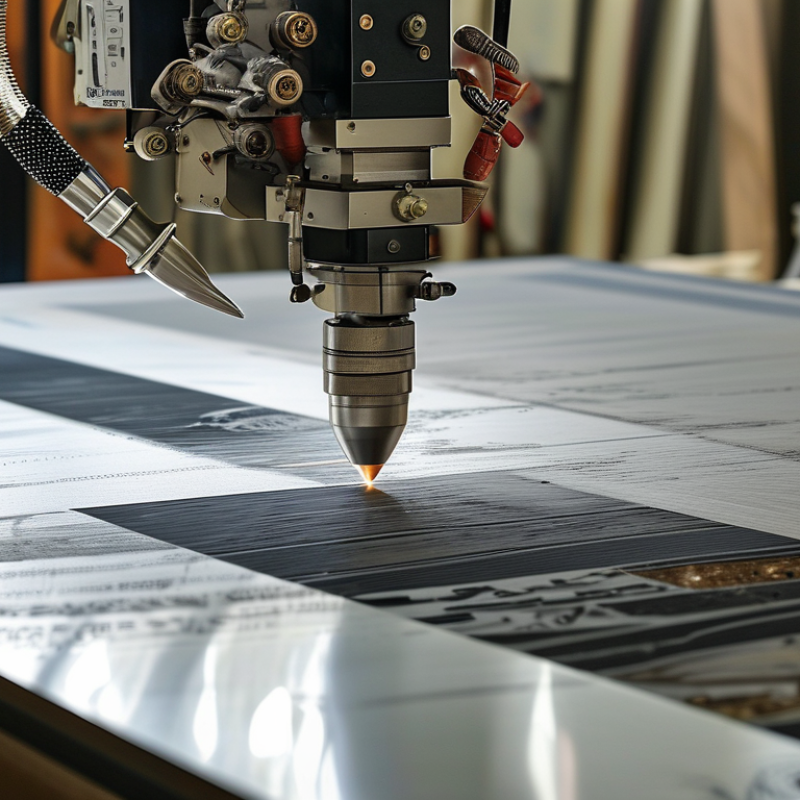
Key Factors to Consider When Choosing a Laser Cutting Machine
When choosing a laser cutting machine, several key factors can significantly impact your decision. First, consider the power output. The wattage affects cutting speed and material thickness. Higher wattage offers faster cuts but may lead to increased costs. Understand your projects to find the right balance.
Material compatibility is another crucial aspect. Different machines excel with specific materials. Be clear about what you will cut—metal, wood, acrylic, or fabric. Each material requires distinct considerations regarding settings and performance. Investigate if the machine supports various thicknesses and types.
Evaluate the machine’s software capabilities. User-friendly software enhances productivity. Look for features like design import options and intuitive control systems. A steep learning curve can slow down your workflow. Research user experiences on software reliability as well.
Consider the machine size and workspace requirements. A compact model may fit better in a small workshop but can limit cutting capacity. Ensure your workspace allows for ventilation and safety. Check the layout carefully before making a purchase.
Explore maintenance needs as well. Regular upkeep is essential for performance. A machine that requires frequent service can disrupt your operations. Look into the warranty and support from the manufacturer. Reliable customer service can be invaluable.
Types of Laser Cutting Machines and Their Applications
Laser cutting machines have revolutionized various industries, offering precision and efficiency. Different types cater to specific applications. CO2 laser cutters are prevalent in textile and wood industries. They excel at cutting and engraving thin materials. A report by Market Research Future projects the CO2 laser cutting market to grow by 5.5% annually, highlighting its importance.
Fiber laser cutters are favored in metal fabrication. They provide faster cuts and less maintenance compared to CO2 lasers. According to Statista, the fiber laser market will reach USD 4.9 billion by 2025. This growth reflects the rising demand for high-performance equipment in industrial settings. However, investing in fiber technology requires careful consideration of power and wavelength for specific applications.
Moreover, ultraviolet (UV) laser cutters have emerged for more delicate tasks like engraving glass and ceramics. While not as widely used, they are gaining traction due to their capability to handle fragile materials without damage. The trade-offs in choosing between CO2, fiber, and UV technologies involve assessing overall costs, maintenance, and potential output. Each option has advantages and limitations that need thorough evaluation during the decision-making process.
Top 10 Laser Cutting Machines Buyers Must Consider
| Machine Type |
Power (W) |
Material Compatibility |
Max Cutting Thickness (mm) |
Application Areas |
| CO2 Laser Cutter |
40 - 150 |
Wood, Acrylic, Fabric |
20 |
Arts and Crafts, Sign Making |
| Fiber Laser Cutter |
100 - 500 |
Metal, Stainless Steel, Aluminum |
25 |
Industrial Manufacturing, Automotive |
| Nd:YAG Laser Cutter |
50 - 300 |
Metals, Ceramics |
10 |
Medical Devices, Aerospace |
| UV Laser Cutter |
5 - 100 |
Glass, PCB, Plastics |
5 |
Electronics, Jewelry |
| Disc Laser Cutter |
300 - 1000 |
Metal, Plastic |
30 |
Heavy Machinery, Shipbuilding |
| Pulsed Laser Cutter |
20 - 150 |
Glass, Metals |
8 |
Optics, Scientific Research |
| CO2 Laser Engraver |
40 - 150 |
Wood, Acrylic |
15 |
Gift Items, Personalization |
| Laser Marking Machine |
20 - 60 |
Various Metals and Plastics |
N/A |
Product Labeling, Branding |
| 3D Laser Cutter |
200 - 800 |
Metals, Plastics |
40 |
Complex Geometries, Prototyping |
Comparative Analysis of Leading Laser Cutting Brands
When selecting a laser cutting machine, buyers should conduct a thorough comparative analysis of leading brands. Each brand offers various features suited for different applications. Power capacities, cutting speeds, and thickness capabilities are essential factors to compare. For example, some machines excel in precision for intricate designs, while others are better for high-speed production.
Understanding your specific needs is crucial. For instance, if your work involves cutting metals, prioritize machines with higher wattage and advanced cooling systems. Reviewing customer testimonials can also provide insights into reliability and performance. Diversify your research by checking out forums and expert reviews.
Investing in training or webinars can enhance your understanding. Familiarize yourself with software compatibility and post-processing options. Avoid rushing your decision. Analyze the durability and ongoing maintenance costs involved. It's vital to choose a machine that fits seamlessly into your workflow while also allowing for future upgrades.
Cost Considerations and Budgeting for Laser Cutting Machines
When considering laser cutting machines, budgeting is essential. Firstly, costs vary widely across different models and capabilities. Basic hobby-grade machines may start around a few hundred dollars. On the other hand, industrial-grade machines can easily exceed tens of thousands. Features like cutting speed, material compatibility, and power influence pricing significantly.
Operating costs play a crucial role, too. Maintenance, power consumption, and replacement parts can add up quickly. It's important to factor in these recurring expenses when setting your budget. Additionally, software costs, training, and installation may escape initial calculations. Evaluating these aspects ensures a more comprehensive understanding of total expenses.
Many buyers overlook the importance of ancillary costs. While the machine's price tag is visible, additional expenses may surprise newcomers. Investing in safety gear and proper ventilation is vital for health and compliance. It's wise to revisit your budget, considering these potential hidden costs. This reflection can lead to smarter, more informed purchasing decisions.
Maintenance and Support: Ensuring Longevity and Efficiency
When investing in a laser cutting machine, maintenance and support are crucial for ensuring longevity and efficiency. Regular maintenance can prevent issues before they arise. Setting a maintenance schedule is essential. Clean lens daily and inspect mirrors regularly.
Dust and debris can lead to poor cuts and machine wear. Pay attention to the cooling system as overheating can degrade performance.
Troubleshooting guides and responsive customer service are invaluable. Comprehensive support from knowledgeable technicians helps resolve issues quickly. Users often overlook the importance of training sessions for their staff. Adequate training can lead to fewer mistakes and prolong the machine's life.
It’s reasonable to reflect on how frequently operators use the equipment and the resulting wear.
Regular check-ups by professionals are also beneficial. Some users underestimate the value of having a second opinion. Engaging with a trusted technician can uncover hidden problems. Ultimately, a proactive approach to maintenance is an investment in the machine's future performance. If you neglect this aspect, it can lead to costly repairs and downtime.