Minimal Space. Maximum Impact! Designed for when every millimeter matters> the new IRONLESS UNANO SERIES
Semiconductors
Increase throughput and precision of your system
Display
Enhance accuracy and precision with linear motors
Science and aerospace
Improve motion quality for a variety of applications
Machine tooling
Robust solutions for increased speed and precision
Digital cutting
Create modular and high throughput applications
Printing
Increase printing speed and quality using linear motors
Robotics
Integrate compact solutions for guaranteed uptime and high dynamics
Life science
Establish precise and clean integrated solutions
Woodworking
Maximize performance and accuracy for high throughput
Stages and system solutions
Compact integration and high performance for your axis
Vacuum applications
Best performance for clean and vacuum applications
Characteristics
China has become an important source of fiber laser cutting machines, with manufacturers serving workshops, contract fabricators, and large production lines. A top-ten list can help readers compare suppliers, but rankings alone cannot show how a machine performs on a factory floor. The right choice depends on material, thickness, daily workload, service access, and budget.
A useful comparison starts with the details operators notice: cut-edge quality, piercing speed, nesting software, and how easily the machine handles thin sheet and thicker plate. TRUMPF CEO Nicola Leibinger-Kammüller has described laser technology as “a key technology for the future.” That perspective suits this market, where machine capability matters, but so do integration and support. Buyers should check the laser source, cutting head, control system, safety features, warranty terms, and availability of spare parts. Ask for a sample cut using your own material. Paper is patient.
This guide introduces ten China-based manufacturers and the factors that can distinguish their machines. It is not a substitute for factory visits, reference checks, or a hands-on trial. Specifications may look similar on a product page, while installation quality and response times can differ considerably. No shortlist is perfect. A supplier that fits one plant may not fit another, and that is worth keeping in mind before comparing prices. The aim is to give readers a practical starting point for evaluating each fiber laser cutting machine manufacturer with clearer questions and realistic expectations.
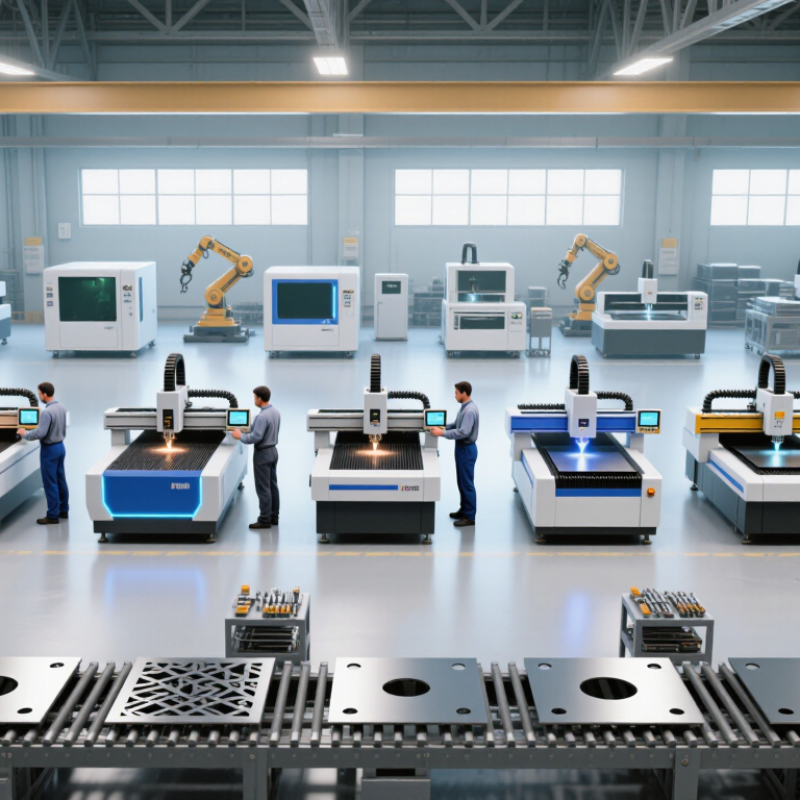
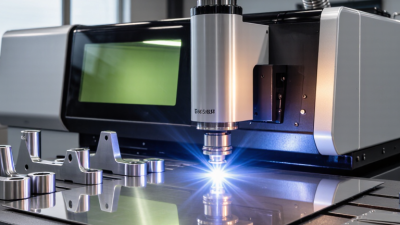
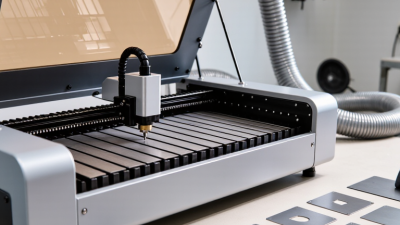
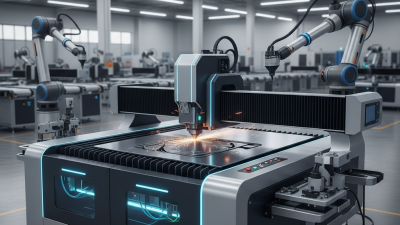
A fiber laser cutting machine uses a solid-state laser source to concentrate light into a narrow, powerful beam. The beam travels through an optical fiber and reaches the cutting head, where a lens focuses it onto the material. Heat melts or vaporizes a small area, while assist gas clears the cut. The result can be clean. These machines commonly process stainless steel, carbon steel, aluminum, and other sheet metals. Typical applications include automotive parts, electrical enclosures, kitchen equipment, and precision brackets.
Cut quality depends on material thickness, machine power, focus position, and cutting speed. A setting that works well on thin stainless steel may produce rough edges on thicker plate. Operators should check samples before starting a large batch. Heat still matters. Even a precise machine can leave burrs, discoloration, or warped edges if settings or material conditions are unsuitable. Maintenance also counts: dirty optics and worn nozzles can affect consistency. These details are easy to overlook.
Tips: Match the machine’s rated capacity to the materials and thicknesses you actually cut. Keep protective windows and nozzles clean, and record proven settings for repeat jobs. Inspect the first few parts under good lighting. If edges look uneven, pause and review focus, speed, and gas pressure rather than assuming the machine is at fault.
China’s fiber laser cutting industry grew from a niche equipment segment into a broad manufacturing supply chain. The China Laser Industry Development Report put the country’s laser equipment market at about RMB 91.5 billion in 2023. That figure covers more than cutting machines, but it reflects the expanding base of laser processing customers. Metal shops now use fiber systems for sheet, tube, and thicker plate, often replacing slower mechanical processes.
Several forces shaped this development: domestic production of key components, stronger machine integration, and demand for faster, more flexible fabrication. Higher-power sources helped processors cut thicker materials, while automated loading became more common in larger workshops. On the factory floor, progress is visible in compact cutting heads, nested sheet layouts, and fewer manual repositioning steps. But higher power alone does not guarantee better output. No shortcut there. Cutting quality still depends on material condition, operator settings, maintenance, and extraction systems. Industry growth also leaves uneven service coverage and training gaps, especially for smaller users. These details receive less attention than headline machine speeds. For buyers, production trials and local support matter as much as a machine’s rated power.
Comparing Chinese fiber laser cutting machine manufacturers begins with your real workload: material grade, sheet size, thickness, daily shifts, and required edge quality. Grand View Research estimated the global laser cutting machine market at USD 5.3 billion in 2023 and forecast a 5.7% compound annual growth rate for 2024–2030. These figures describe market demand, not machine quality. Scope and estimates can vary.
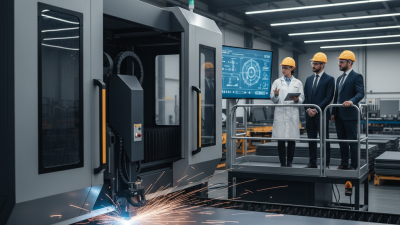
Ask for a sample cut using your own material, then inspect the edge, kerf, burrs, and heat discoloration. Compare stated cutting speed with the material thickness and gas conditions used in the test. Check the frame construction, laser-source and cutting-head specifications, calibration records, warranty terms, and availability of replacement parts. Request a factory acceptance test report and confirm who handles installation and operator training. Numbers matter. A polished brochure is not enough; I would still verify service response times with existing customers.
Tips: Send identical drawings and material samples to each supplier. Request itemized quotations and written test conditions. Keep the comparison imperfect but honest: a faster machine may not deliver the best edge on your material.
Suggested evaluation weights for comparing manufacturers; these are buyer-oriented priorities, not measured scores or rankings of specific companies.
Assess cutting performance, reliability, service coverage, and total cost using comparable specifications, documented service terms, and references for your intended applications.
China’s fiber laser cutting market includes manufacturers with distinct engineering priorities. These ten profiles offer practical comparison points, not a verified ranking. Profile one emphasizes heavy plate cutting, with rigid frames suited to thick steel sheets. Profile two focuses on compact machines for workshops with limited floor space. Profile three combines cutting equipment with loading systems to reduce manual sheet handling. Details matter.
Profile four highlights customized bed sizes for nonstandard workpieces. Profile five prioritizes high-speed processing of thin stainless steel, where stable motion affects edge quality. Profile six offers systems designed for simpler operator training. Profile seven concentrates on machine integration, including nesting software and production data links. A useful test is whether the supplier can explain setup requirements clearly.
Profile eight serves shops seeking flexible power options across different material thicknesses. Profile nine focuses on after-sales support, spare-part access, and maintenance guidance. Profile ten develops equipment for varied production volumes, rather than a single factory scale. Not every feature fits every buyer. Ask for sample cuts using your own material, and inspect the edge, kerf, and burrs. A brochure may look complete, yet daily workflow details can still be missing.
Data note: The entries below are anonymous market-segment profiles, not a verified ranking or specifications attributed to individual manufacturers. Power levels and machine formats are indicative configurations available in the fiber-laser cutting market; actual specifications vary by model and supplier.
| No. | Anonymous profile | Typical product focus | Indicative laser power | Common machine format | Typical applications |
|---|---|---|---|---|---|
| 1 | Entry-level sheet-cutting specialist | Basic flat-sheet fiber laser cutters for general fabrication | 1–3 kW | Compact flatbed; commonly around 3015 format (approximately 3,000 × 1,500 mm) | Thin-sheet parts, electrical enclosures, signage, and small-batch fabrication |
| 2 | Standard-format production supplier | General-purpose flatbed machines for small and medium workshops | 1–6 kW | 3015 or 4020 format (approximately 4,000 × 2,000 mm) | Sheet-metal job shops, machinery components, and metal furniture |
| 3 | High-throughput sheet-cutting specialist | Higher-power flatbed systems with automated loading options | 6–12 kW | 4020 or 6020 format (approximately 6,000 × 2,000 mm) | Thicker plate, construction machinery parts, and batch production |
| 4 | Large-format plate-cutting supplier | Long-bed machines designed for large workpieces and plate processing | 6–20 kW | Large-format flatbed; bed dimensions vary by configuration | Heavy equipment, steel structures, and large industrial components |
| 5 | Tube-cutting machine specialist | Dedicated laser systems for round, square, and rectangular tube | 1–6 kW | Tube lengths commonly configured for stock around 6 m; options vary | Frames, railings, fitness equipment, and tubular furniture |
| 6 | Combined sheet-and-tube system supplier | Dual-purpose equipment integrating flat-sheet and tube cutting | 1–6 kW | Flatbed with an integrated or optional tube-cutting attachment | Job shops processing both sheet metal and structural tubing |
| 7 | Automated production-line supplier | Flatbed cutters paired with loading, unloading, or material-storage systems | 3–12 kW | Usually standard or large-format beds; automation layout is project-specific | Continuous production and repeat orders in automotive and appliance supply chains |
| 8 | Precision thin-sheet machine supplier | Machines emphasizing motion control and repeatable processing of thinner materials | 1–3 kW | Compact or standard flatbed, often around 3015 format | Precision sheet components, cabinets, and electronic-equipment housings |
| 9 | Heavy-duty high-power system supplier | High-power flatbed cutters for thick plate and demanding production workloads | 12–30 kW | Large-format flatbed; exact bed size and cutting capacity depend on the model | Shipbuilding components, heavy machinery, and large steel fabrication |
| 10 | Customized-system integrator | Application-specific cutting cells with optional bevel, automation, or handling equipment | 3–20 kW | Configured to the workpiece, production line, and factory layout | Specialized industrial production requiring tailored workflow integration |
Choosing among China’s fiber laser cutting machine manufacturers should begin with production needs, not headline power ratings. A shop cutting thin stainless steel all day needs a different setup from a fabricator processing thick carbon-steel plate in short batches. Consider your material mix, sheet size, edge-quality targets, and daily operating hours. Ask for a cutting test using your own material and representative part files. Check burrs, corner quality, piercing time, and consistency across the sheet. A polished demonstration is useful, but it cannot replace a production-like trial.
That matters.
For high-volume work, compare automation options, loading methods, nesting workflow, and changeover time. Smaller shops may value a compact footprint, straightforward controls, and accessible consumables more than maximum speed. Check what training, remote diagnostics, spare parts, and local service are realistically available. Request response-time details in writing. Compare total operating costs, including assist gas, lenses, nozzles, electricity, and maintenance—not only the purchase price. Ask how quoted output was measured; assumptions can be optimistic. Not always. No specification sheet captures every shift, and operators may need time to adapt. A machine that fits your real workflow is often the safer choice, though “fit” can be hard to measure before installation.