Best China Metal Laser Cutting Machine for Home Use
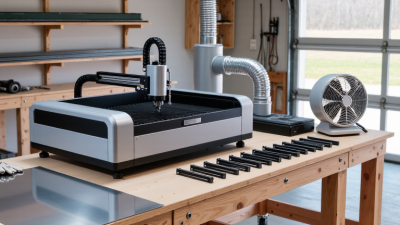
Choosing the best China metal laser cutting machine for home use starts with an honest look at your workspace. A compact bench, a nearby power outlet, and a safe route for ventilation can matter as much as headline cutting speed. The right metal laser cutting machine for home projects should match the metals, sheet thicknesses, and typical part sizes you actually plan to handle.
Small details matter. Check the machine’s rated output, working area, cooling requirements, and stated material limits. Ask the supplier for clear specifications, operating instructions, warranty terms, and access to replacement parts. A neat product photo cannot confirm cut quality, so look for sample results on comparable material and thickness. If possible, test with offcuts before committing to a larger project. Edges may still need deburring.
Home installation deserves careful attention. Use the machine only with the recommended enclosure, extraction system, and protective equipment, and follow the manufacturer’s safety guidance. Keep the work area clear, monitor cutting operations, and confirm that your electrical supply meets the machine’s requirements. Not every workshop fits. A powerful model can be a poor choice in a small, poorly ventilated room.
There is no single best option for every home. Compare total ownership costs, including installation, consumables, maintenance, and shipping support—not just the purchase price. Supplier claims should be checked against documentation and practical evidence. I would still leave room for doubt: advertised performance may not reflect the results a beginner gets on day one.
Understanding Metal Laser Cutting Machines for Home Use
A home-use metal laser cutter is not merely a smaller factory machine. It needs a suitable power supply, a stable work surface, an enclosed cutting area, and effective fume extraction. World Steel Association’s World Steel in Figures 2024 reports global crude steel production of 1,888.2 million tonnes in 2023. That figure reflects steel’s wide availability, not what a household machine can safely cut. Check the machine’s stated material, thickness, and cutting-speed limits before buying.
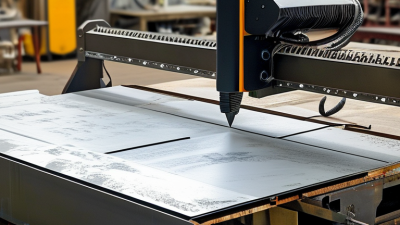
For bare sheet metal, fiber lasers are commonly used, but output power alone does not determine cutting quality. Lens condition, focus, assist gas, and material flatness all matter. A warped sheet can leave rough edges, even on a capable machine. Small details count. Consider the full workspace, including noise, ventilation, and space for safe material handling.
Laser safety deserves equal attention to cutting performance. IEC 60825-1 sets safety requirements for laser products; high-power beams can cause serious eye or skin injuries and ignite nearby materials. Cutting coated or contaminated metal may also release hazardous fumes. A sealed enclosure, functioning interlocks, suitable extraction, and clear operating procedures are essential. A compact footprint can be misleading. In a home workshop, the exhaust route and fire precautions may be harder to manage than the machine itself.
How Chinese-Made Metal Laser Cutters Work
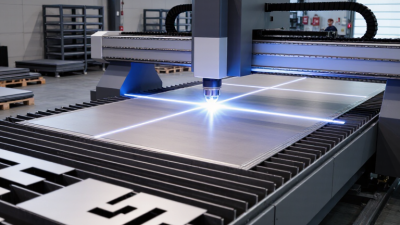
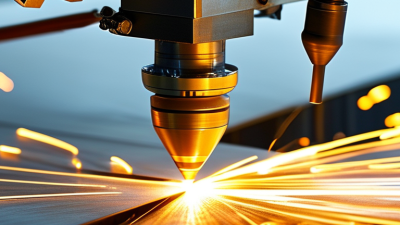
A Chinese-made metal laser cutter uses a focused beam to heat a narrow path through sheet metal. The cutting head moves along programmed coordinates, while assist gas clears molten material from the cut. A controller coordinates the motion, laser output, and cutting speed. Small details matter. A clean lens, stable material support, and correct settings can affect edge quality more than expected.
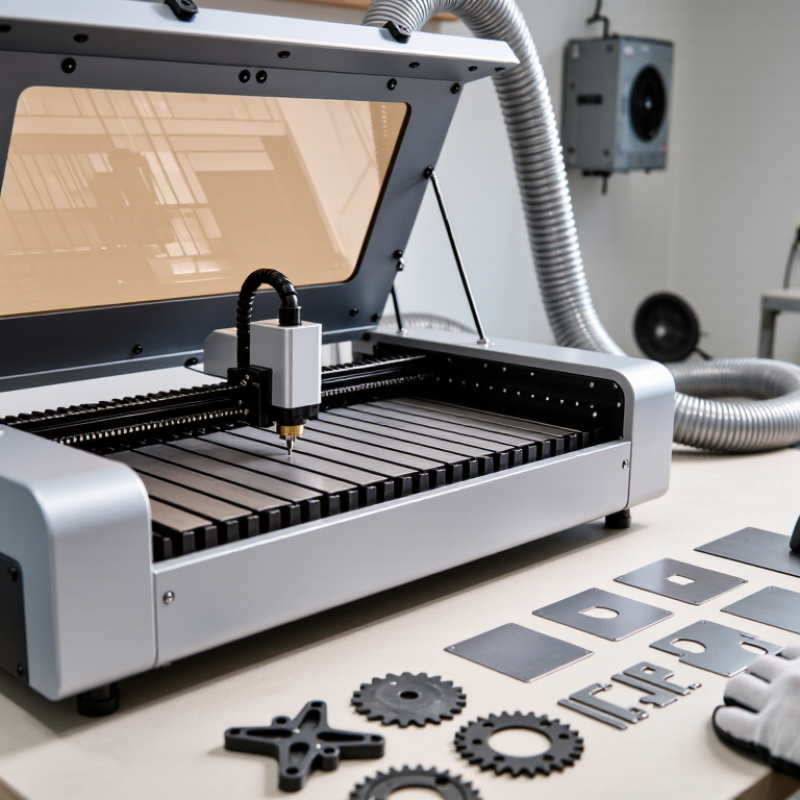
Many machines combine a laser source, motion rails, a work bed, cooling equipment, and control software. Their capabilities vary, so check rated material thickness and electrical requirements rather than relying on broad product claims. Reflective metals can pose extra challenges, and cutting metal indoors requires a suitable enclosure, extraction, and fire precautions. A spare garage outlet is not automatically enough.
Tips: Keep the workpiece flat and secure. Test settings on scrap of the same metal. Inspect the lens regularly, and follow the machine manual for cooling and maintenance. I would not assume the first cut proves a setup is reliable; repeatable results take careful adjustment.
How Metal Laser Cutters Work: Laser Wavelengths
Typical wavelengths used by two common industrial laser-cutting technologies.
A cutting head focuses the laser onto the metal while assist gas helps clear molten material from the cut. Fiber lasers commonly operate near 1.07 micrometers, while CO₂ lasers operate near 10.6 micrometers. Actual cutting performance depends on the machine, material, thickness, and settings; metal-cutting equipment requires appropriate guarding and safety controls.
Key Features to Compare for a Home Workshop
For a home workshop, compare the machine’s usable cutting area with your largest planned sheet, not its outer dimensions. A compact frame may leave little room for loading metal. Check input voltage, rated power, and the circuit requirements before purchase. A machine that fits the bench but trips the breaker is no bargain.
Ask for cutting data by material and thickness, including recommended speed and assist-gas requirements. Maximum-thickness claims can hide slow cuts or rough edges. Check whether the enclosure contains the cutting area, and how fumes are extracted. Keep a clear path for sheet loading. It sounds obvious, but space is often misjudged.
Noise matters too. NIOSH’s Criteria for a Recommended Standard: Occupational Noise Exposure recommends an eight-hour exposure limit of 85 dBA. OSHA’s noise standard sets an eight-hour permissible exposure limit of 90 dBA. These workplace figures offer useful comparison points for a home shop’s fan and compressor, though they do not describe every short task. Ask for measured sound levels, not vague “quiet” claims. I would also price replacement optics and routine cleaning time; both are easy to overlook when comparing machines.
Safety, Space, and Utility Requirements
A home metal laser cutter needs a safer setup than its footprint suggests. Choose a fully enclosed machine with working interlocks, and keep the lid closed during operation. No open beam. Place it on a stable, non-combustible bench, away from curtains, cardboard, and household traffic. Leave room to open panels and reach the emergency stop without leaning over the cutting area.
Plan for fumes before choosing a corner of the workshop. Use extraction designed for the machine, vented appropriately, and check that the filter or ducting suits the metals and coatings being processed. Do not cut unidentified or coated stock; some finishes can release hazardous fumes. Keep suitable fire-control equipment nearby, and never leave an active cut unattended. A small spark can become a real problem.
Measure the machine, its service clearance, and the path for exhaust ducting. Then check the required circuit, grounding, and ventilation against the equipment specifications and have questionable electrical work assessed by a qualified professional. Metal sheets need dry, organized storage, while offcuts can have sharp edges. It is easy to underestimate how much space these details take. I would leave extra room, even if that means delaying the purchase.
Choosing a Machine for Your Materials and Projects
Choosing a metal laser cutting machine for home use starts with the materials you actually plan to cut. A machine designed for sheet steel may not handle aluminum or copper equally well. Reflective metals can send laser energy back toward the optics, so check the machine’s approved material list and operating limits. Do not assume that more power solves every problem. For thin steel tags or small brackets, focus quality and stable motion can matter more than maximum speed. That matters.
Write down your usual metal type, thickness, and largest project size before comparing specifications. A 300-by-200-millimeter work area may suit nameplates, but feel cramped for longer panels. Keep a margin. Test cuts on the same alloy and thickness reveal rough edges, heat discoloration, and kerf width more clearly than sales figures. Ask whether the stated cutting capacity is continuous or suitable only for occasional cuts. At home, also measure the machine footprint, extraction route, and electrical supply. Metal cutting needs proper enclosure, fume extraction, and fire precautions; follow the manufacturer’s instructions and never cut materials the machine is not rated for. I would leave room for a learning curve, too. Early settings may be imperfect, and scrap pieces are useful evidence.