China Best Laser CNC Machine for Metal Which One to Buy?

Choosing the best laser cnc machine for metal in China takes more than comparing advertised wattage. A machine that cuts cleanly on a showroom sample may behave differently with your sheet thickness, material, and daily workload. The right choice depends on what you actually make: thin stainless-steel panels, aluminum brackets, or larger production parts. Small details matter.

This guide explains how to compare machine types, laser power, working area, motion systems, software, and after-sales support. It also highlights practical checks, such as reviewing sample cuts, confirming the supported materials, and asking how quickly replacement parts can be supplied. A higher-powered source is not automatically the better investment. It may raise purchase and operating costs without improving your usual jobs.

Look closely at the complete configuration, not just the machine’s headline specifications. Ask for clear details about the laser source, cutting head, control system, warranty terms, and operator training. If possible, request a test using material and thickness similar to your own. Not every supplier will provide the same level of evidence. That matters.

The comparisons that follow are intended to help buyers shortlist suitable options and ask more informed questions. They cannot replace a careful review of your production needs or a written quotation. Some choices remain a trade-off: a compact machine may save floor space, while offering less room for future work. That is worth considering before you commit.

China Best Laser CNC Machine for Metal Which One to Buy?

What a Laser CNC Machine for Metal Is and How It Works

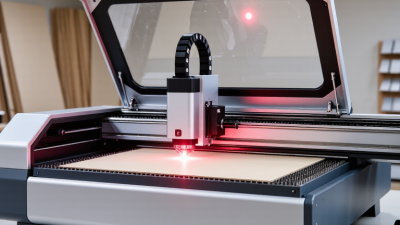
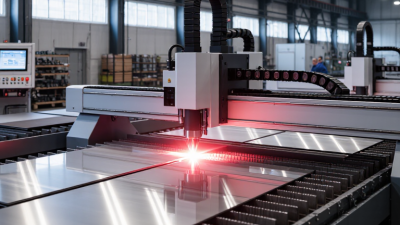
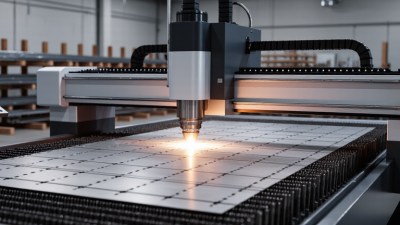
A laser CNC machine for metal combines a laser source, motion system, cutting head, assist gas, and numerical controller. The controller follows a programmed toolpath, moving the head or worktable while focusing the beam onto the sheet. Concentrated heat melts or vaporizes a narrow strip; gas then clears molten material from the cut. The result is a kerf, not a sawdust trail.

It is not magic. Material type, thickness, focus position, nozzle condition, and cutting speed all affect edge quality. A bright, clean edge on thin steel can become rough or discolored when settings drift.

MarketsandMarkets’ 2024 Laser Processing Market report estimates growth from USD 6.3 billion in 2023 to USD 9.8 billion by 2028, reflecting wider industrial use of laser processes. Grand View Research valued the global laser cutting machine market at USD 5.8 billion in 2023 and projected 6.5% annual growth from 2024 to 2030.

These figures describe market trends, not guaranteed performance for any machine. In practice, compare rated power with your usual metal thickness, then test the actual material and finish requirements.

A small detail matters: a fast machine can still produce poor parts if gas pressure or focus is wrong. That is worth checking.

Main Types of Chinese Metal Laser CNC Machines

Main Types of Chinese Metal Laser CNC Machines

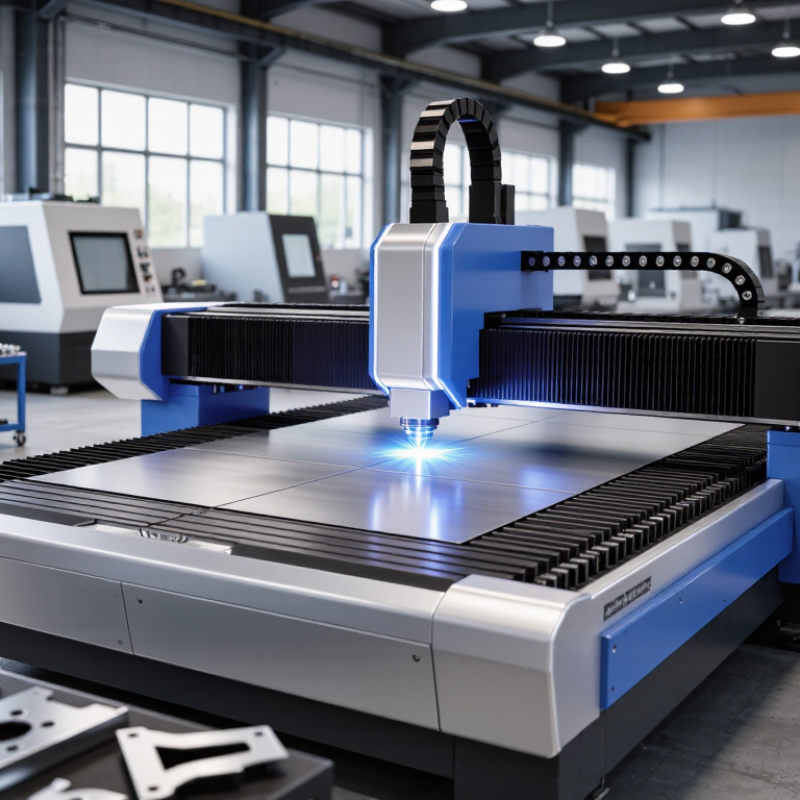
Fiber laser cutters for flat sheet are the most common type for metal shops. They suit stainless steel, carbon steel, and aluminum, with cutting capacity shaped by laser power, material, and thickness. A 1.5-by-3-meter bed is practical for standard sheet sizes, while a larger bed needs more floor space and careful loading. Check the cutting head, extraction system, and service access—not just the power rating. Small details matter.

Tube laser machines cut round, square, and rectangular profiles. They can make slots and angled ends without repeated manual repositioning. This helps when producing frames or railings. Confirm the machine’s supported tube diameter and loading method; long stock needs room behind the machine. A high-speed specification means little if the shop cannot feed material smoothly.

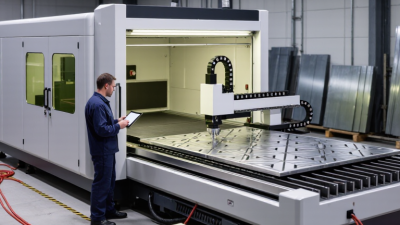
Combination sheet-and-tube machines handle both formats, but shared capacity can involve compromises. They may suit a workshop with varied, moderate workloads better than a specialist factory running one job all day. Enclosed models add guarding and help contain sparks, though they still need suitable extraction and routine maintenance. I would compare sample cuts, edge quality, nesting software, and local technical support before choosing. Paper specifications rarely show setup friction, and that is easy to underestimate.

China Best Laser CNC Machine for Metal Which One to Buy? - Main Types of Chinese Metal Laser CNC Machines

Machine Type Workpiece and Motion Common Laser Configuration Best Suited For Key Buying Considerations
Flat-Sheet Fiber Laser Cutter Flat sheet; typically a two-axis cutting head moving over an X-Y table, with CNC-controlled height adjustment. Fiber laser; commercial systems are offered across a broad range of output powers, from low-kilowatt to high-kilowatt configurations. Cutting carbon steel, stainless steel, aluminum, and other suitable sheet metals for fabrication and production. Match power, table size, cutting-head capability, extraction, and material thickness to the actual production mix. Cutting results depend on material, assist gas, optics, and process settings.
Tube and Pipe Fiber Laser Cutter Round, square, rectangular, or other supported hollow sections; a chuck rotates and feeds the workpiece while the cutting head follows programmed paths. Usually a fiber laser, with power and chuck capacity selected for the section dimensions and wall thickness. Cutting tube ends, slots, holes, profiles, and joints used in frames, furniture, equipment, and structural fabrication. Check the supported tube shape, maximum diameter or side length, loading method, chuck arrangement, remnant length, and whether the machine handles open profiles reliably.
Sheet-and-Tube Combination Laser Processes flat sheets and tube or pipe sections on one machine, using a shared laser source with switching or dedicated workholding arrangements. Most commonly fiber laser; available configurations and changeover designs differ by machine. Shops that regularly cut both sheet and tube but have limited floor space or do not require both processes to run simultaneously. Compare changeover time, usable sheet area, tube capacity, loading access, and whether the combined design meets throughput needs for both job types.
Bevel-Cutting Fiber Laser Flat plate or sheet; a tilting cutting head makes angled edges as well as straight cuts. Fiber laser with a multi-axis bevel head; the available angle range depends on the head and machine design. Preparing weld edges and producing V, X, or other specified bevel profiles where supported by the machine and programming system. Confirm bevel geometry, angle accuracy, collision protection, programming workflow, and the effect of beveling on cutting speed and edge quality.
3D or Five-Axis Laser Cutting Machine Formed, contoured, or three-dimensional metal parts; coordinated machine axes orient the cutting head or workpiece along complex paths. Laser type and power depend on the application; fiber lasers are commonly used for metal cutting. Trimming formed panels, cutting openings in three-dimensional components, and processing parts that cannot be presented as flat sheet. Evaluate the working envelope, part-fixturing method, collision avoidance, CAD/CAM compatibility, and the accuracy of the complete setup—not just the laser source.

Note: These are general machine categories, not guaranteed specifications. Available power, working area, material capacity, accuracy, and cutting performance vary by configuration and process conditions. Confirm requirements with sample parts and a written technical specification before purchase.

Key Specifications for Choosing a Machine

Choosing the best laser CNC machine for metal starts with your actual parts, not headline wattage. Grand View Research’s 2024 Laser Cutting Machines Market report estimated the global market at about USD 5.2 billion in 2023. That growth signals broad industrial use, but it does not identify the right machine for your workshop. List your material grades, usual sheet thicknesses, largest part, and weekly cutting hours. Be specific. A machine cutting thin stainless steel all day has different needs from one handling occasional thick plate.

Compare rated laser power with the supplier’s cutting charts for your exact material and assist gas. Check the working area against your largest sheet, then verify positioning accuracy and repeatability in the technical specifications. Ask for a sample cut. Inspect its edge for dross, taper, and heat discoloration under consistent lighting. ISO 9013:2017 provides quality classifications for thermal cuts, which can help make acceptance criteria clearer. Also check chiller capacity, extraction performance, electrical requirements, and service availability. These details are easy to overlook. They can shape operating costs.

Tips: Request a timed demonstration using your material and thickness. Record cutting speed, edge quality, and setup time. A higher power rating is not automatically better. Compare the total installed cost, too; production estimates can be optimistic.

Matching Machine Capabilities to Your Metalworking Needs

Choosing a laser CNC machine for metal starts with the parts you actually make. Record the metal type, thickness range, sheet size, and weekly cutting hours. A shop producing thin stainless panels needs different capabilities from one cutting thick carbon-steel plate. Cutting speed matters, but so do edge quality, repeatability, and setup time.

Laser power is only one part of the match. Check the working area against your largest sheets, and ask how the cutting head handles your usual thicknesses. Assist-gas use, extraction, and maintenance access affect everyday operating costs. It depends. Request a sample cut using your own material, then inspect the edge for dross and heat marks. Ask for the cycle time, not just a best-case speed. A machine that cuts quickly but needs frequent adjustment may slow production. I would be cautious about choosing extra capacity “just in case”; it can raise purchase and operating costs without improving today’s work. Still, future contracts may change the calculation, so leave room for realistic growth. Test the software workflow too, especially if operators must switch between jobs often.

How to Compare Suppliers, Service, and Total Ownership Costs

China Best Laser CNC Machine for Metal: Which One to Buy?

How to Compare Suppliers, Service, and Total Ownership Costs

Choosing a laser CNC machine is not just about maximum cutting speed. Ask suppliers to cut your own metal samples, including the thicknesses and shapes you use most. Inspect the edges, burrs, and heat marks under consistent lighting. Request cycle times for the same job, not a polished demonstration piece. A neat showroom cut proves little about daily production.

Tips: Compare written service terms. Check technician response times, spare-part availability, installation, and operator training. Ask what maintenance the machine needs each week. Small details matter.

Calculate ownership costs over several years. Include the machine, shipping, installation, power, assist gas, replacement nozzles, lenses, and planned maintenance. Confirm which consumables are included and how quickly common parts can arrive. Ask for references from shops with similar materials and workloads. Then speak with those operators directly. They may mention practical issues a specification sheet misses, such as setup delays or inconsistent support. It is easy to overvalue a low purchase price; I would still revisit that decision after comparing downtime costs. No supplier can promise a perfect fit, so document your requirements and verify each claim before ordering.