Top Steel Laser Cutting Machine Manufacturers in China

Choosing a steel laser cutting machine is a practical decision, not just a comparison of advertised power or cutting speed. The right system should match the steel grades, thicknesses, sheet sizes, and daily production volume a workshop actually handles. A machine built for thin stainless panels may not suit a factory cutting thick carbon steel every shift. Details matter.

China has a broad group of manufacturers, from established industrial suppliers to newer companies with narrower product ranges. Their machines can differ in frame construction, laser source options, cutting-head design, control software, automation, and local support. Buyers should ask for clear specifications and confirm them with sample cuts. Inspect the edge quality, kerf consistency, and performance on the materials you use—not only on a polished demonstration sheet. A neat brochure is not proof.

This overview introduces leading Chinese manufacturers and explains what to compare before requesting a quotation. It considers product range, customization, quality processes, technical documentation, spare-parts access, and after-sales service. Where possible, verify claims through factory assessments, customer references, and independent testing. A low purchase price can look attractive, but downtime, consumables, and training also affect long-term cost. Some details may remain difficult to compare across suppliers. That deserves scrutiny. The aim is not to name one universal winner, but to help readers build a shortlist based on measurable needs and reliable evidence.

Top Steel Laser Cutting Machine Manufacturers in China

What Defines a Steel Laser Cutting Machine Manufacturer in China

Top Steel Laser Cutting Machine Manufacturers in China

What Defines a Steel Laser Cutting Machine Manufacturer in China

A capable manufacturer does more than assemble a laser source, cutting head, and machine bed. It can explain how power, assist gas, motion accuracy, and plate thickness affect cut quality. Ask for sample cuts on your actual steel grade, including the edge finish, kerf width, and dross level. Real evidence beats a polished showroom demo.

The scale of the market makes this scrutiny practical. World Steel Association’s World Steel in Figures 2024 reports 1,892.2 million tonnes of crude steel production worldwide in 2023. A machine maker serving this varied industry should document tested cutting parameters and provide clear maintenance guidance. Look for stable motion, reliable extraction, and accessible technical support. These details matter on a factory floor.

Quality claims should be verifiable. ISO 9013 describes quality classifications for thermal cuts, while ISO 12100 provides a framework for machinery risk assessment. Ask how a supplier checks these requirements and records acceptance tests. Not just promises. A good factory visit may reveal careful calibration, but it cannot prove long-term uptime. No supplier is perfect; compare service records and spare-part lead times, and treat vague answers as a reason to investigate further.

How Steel Laser Cutting Machines Are Designed and Classified

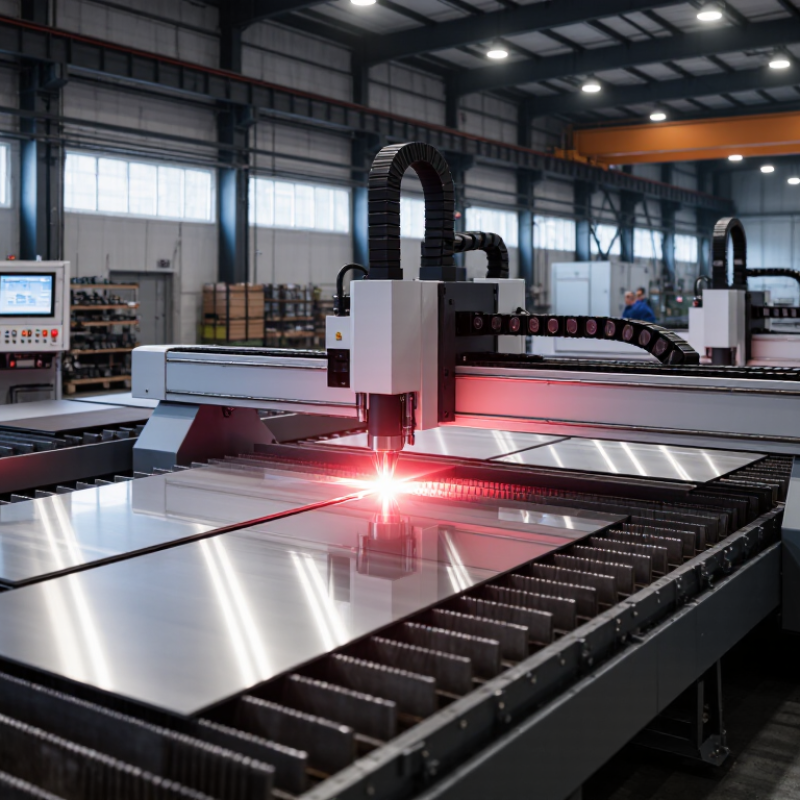
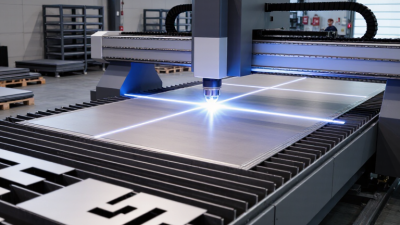
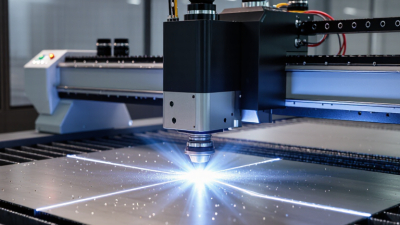
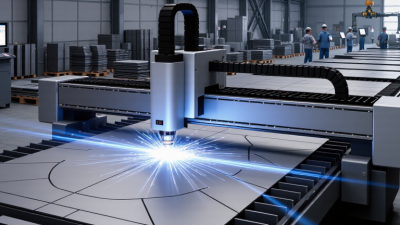
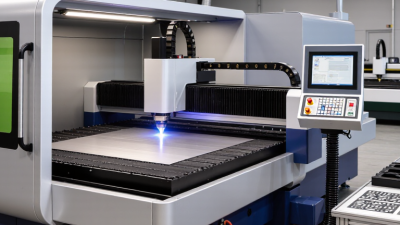
Steel laser cutting machines are built around a coordinated set of components: a laser source, beam-delivery system, cutting head, CNC controls, motion axes, and fume extraction. For steel, the frame and gantry must resist vibration while maintaining precise head movement. Even a small alignment error can leave a rough edge or uneven kerf. It happens.

Machines are commonly classified by laser source, rated power, worktable size, and automation level. Fiber systems are widely used for sheet steel, while machine power and assist-gas settings affect practical thickness and cutting speed. Oxygen can support faster cutting on some steels, but may leave more oxide on the edge; nitrogen often produces a cleaner finish, with higher gas use. The right setup depends on material grade, thickness, and the required edge quality.

Design choices also reflect industry demand. Grand View Research estimated the global laser-cutting-machine market at about US$6.3 billion in 2023 and projected 6.2% annual growth from 2024 to 2030. That figure signals investment, not a guarantee that higher power suits every workshop. A careful specification should compare sample cuts, duty cycle, extraction capacity, and the cost of assist gas. One detail is often overlooked: a large bed is useful only when loading and part removal remain safe and practical.

Steel Laser Cutting Machine Types by Laser Wavelength

Typical wavelengths of the main laser sources used in industrial cutting machines.

Fiber and disk lasers operate near 1 micrometer, while CO₂ lasers operate at about 10.6 micrometers. Machine designs also vary by laser power, cutting head, motion system, bed structure, and assist-gas setup. Wavelength alone does not indicate cutting speed or capacity.

Key Chinese Manufacturers and Their Product Specialties

China’s steel laser-cutting machine manufacturers often specialize by material format and production scale. Some concentrate on flat-sheet fiber laser systems for fabrication shops, with enclosed beds, exchange tables, and automatic loading options. Others build tube-cutting machines with rotating chucks and supports that reduce movement during long cuts. Heavy-plate specialists may offer higher-power sources, reinforced beds, and bevel-cutting heads for thick structural parts. Their specialties are not interchangeable.

Buyers should compare the machine’s working area, stated cutting range, and achievable edge quality on their own steel grades. Ask for sample cuts using the thickness and finish your work requires. Useful details include nozzle changes, lens cleaning access, nesting software, and local service response times. A catalog can show impressive power figures, but those alone say little about stable daily output. Ask how the machine performs across a full shift. Small details matter. Manufacturer descriptions may blur the difference between standard equipment and optional upgrades, so verify each configuration in writing. Even a well-built machine can disappoint when operator training or maintenance support is weak.

Industries and Materials Served by These Manufacturers

Chinese steel laser cutting machine manufacturers supply equipment for businesses that shape sheet metal, plate, and structural components. Their customers include automotive parts workshops, construction fabricators, agricultural machinery makers, and electrical cabinet producers. The work varies. A small shop cutting brackets has different needs from a factory processing long steel sections.

In construction, machines cut plates and profiles for frames, supports, and connection parts. Automotive suppliers use them for chassis components, housings, and production fixtures. Agricultural equipment makers often process thicker carbon-steel parts exposed to impact and wear. Cabinet manufacturers, by contrast, may prioritize clean edges and repeatable cuts on thinner sheets. These requirements affect choices such as working area, laser power, loading method, and automation.

Common materials include mild steel, carbon steel, stainless steel, and galvanized sheet. Some systems also handle steel tubes or shaped sections when fitted with suitable equipment. Material thickness and grade influence cutting speed and edge quality, so a published maximum thickness is not the whole story. Assist gas, nozzle condition, and sheet flatness matter too. A polished specification sheet can hide practical limits. Buyers should compare sample cuts using their actual materials and part drawings; that check may reveal a mismatch before installation.

Top Steel Laser Cutting Machine Manufacturers in China - Industries and Materials Served by These Manufacturers

Industry Typical Materials Common Laser-Cut Parts Typical Production Needs
Construction and steel fabrication Carbon steel plate and sheet; stainless steel for selected architectural applications Brackets, gussets, connection plates, base plates, stiffeners, and custom profiles Accurate cutting of flat patterns and repeatable production of structural components
Automotive and vehicle manufacturing Carbon steel, high-strength steel, stainless steel, and aluminum alloy, where supported by the machine configuration Chassis brackets, seat frames, body-panel blanks, equipment mounts, and prototype parts Consistent part geometry, efficient nesting, and flexible production for different models
Agricultural machinery Carbon steel plate and sheet; stainless steel for corrosion-resistant components Machine guards, brackets, frames, covers, mounting plates, and implement components Cutting a mix of custom shapes and repeat-run parts for farm equipment
Elevators and escalators Stainless steel sheet, carbon steel sheet, and galvanized steel sheet Cabin panels, door components, control-panel housings, brackets, and trim pieces Clean edges and accurate dimensions for visible panels and assembled sheet-metal parts
HVAC and ventilation Galvanized steel, carbon steel, and stainless steel sheet Duct panels, flanges, access panels, fan housings, and equipment enclosures Fast cutting of nested sheet layouts and accurately sized panels for fabrication
Electrical cabinets and power equipment Carbon steel, galvanized steel, stainless steel, and aluminum sheet, as machine capabilities allow Cabinet panels, mounting plates, doors, ventilation openings, and enclosure components Precise cutouts and repeatable dimensions for downstream bending and assembly
Shipbuilding and marine equipment Carbon steel plate; stainless steel for selected fittings and equipment parts Equipment brackets, support plates, panels, stiffeners, and non-critical fittings Cutting plate and sheet components for fabrication; suitability depends on part design and material specification
Metal furniture and display fixtures Carbon steel, stainless steel, and aluminum sheet or profiles, where supported Legs, frames, shelves, panels, mounting tabs, and decorative cutouts Flexible production of custom designs, small batches, and repeatable components
General sheet-metal job shops Carbon steel, stainless steel, galvanized steel, and selected non-ferrous metals Custom brackets, panels, covers, machine parts, and one-off or batch components Versatile processing across varied material types, part designs, and order sizes

Material compatibility and cutting results depend on the laser source, machine configuration, material grade, thickness, and process settings. Always confirm the required material and application with the equipment supplier.

How to Compare Suppliers, Service, and Machine Performance

When comparing steel laser cutting machine suppliers in China, look beyond advertised wattage and maximum sheet thickness. Ask each supplier to cut the same steel grade and thickness, then inspect edge smoothness, dross, kerf width, and dimensional consistency. A clean sample matters, but repeatability across several parts matters more. Request the test settings and material details, so you can judge whether the result fits your production needs. Numbers can mislead.

Tips: Check who installs the machine, trains operators, and handles faults after delivery. Ask for typical response times, available spare parts, and clear warranty terms. Get these details in writing. A vague promise is hard to use when a production shift is waiting.

Machine performance also depends on the laser source, cutting head, motion system, software, and operator skill working together. Compare cycle times using your own part files, not only demonstration shapes. If possible, visit an operating workshop and watch a full cutting cycle, including setup and unloading. Supplier service can look excellent during a sales visit; that is not the whole story. Ask how maintenance is scheduled and what routine checks your team must perform. The comparison may feel less tidy than a scorecard, but real production conditions are rarely tidy.