What Is the Best Steel Laser Cutter in 2026?
Choosing the best steel laser cutter in 2026 means looking beyond advertised wattage. A machine may cut thick plate quickly yet struggle with thin sheet, small features, or long production runs. Buyers should compare material range, cut quality, operating cost, service support, and real throughput. The right choice depends on the work.
The scale of steel processing is substantial. World Steel Association data puts global crude steel production at about 1.88 billion tonnes in 2024. That figure describes the industry, not laser-cutter demand, but it shows the material’s global footprint. Grand View Research’s laser-cutting-machine market analysis also identifies automation and precision manufacturing as important market drivers. Those trends make productivity claims worth checking carefully. Numbers need context.
In practice, compare machines using the same steel grade, thickness, and cut geometry. Ask for a sample cut, inspect its edge for dross, and time a representative job. Check whether quoted speed reflects actual production conditions or an ideal test. A shop cutting 3 mm stainless sheet has different needs from a fabricator processing thick carbon-steel plate. There is no universal winner. This guide weighs machine performance, total ownership costs, software, safety features, and after-sales support to help identify a steel laser cutter suited to your workload. One caveat remains: specifications can look precise while real shop conditions vary. Verify the claims before committing.
How Steel Laser Cutters Work and What They Can Cut
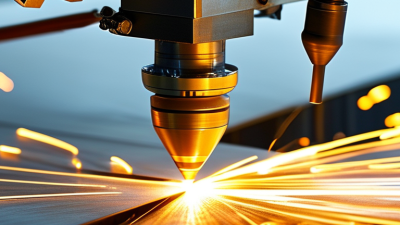
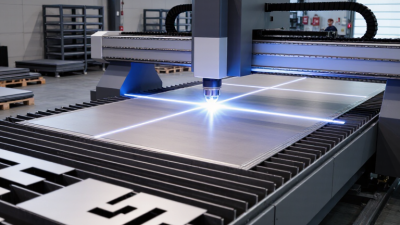
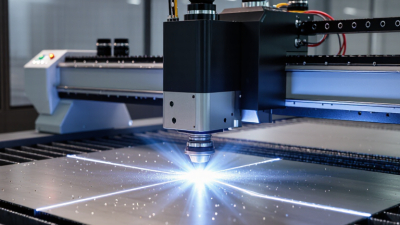
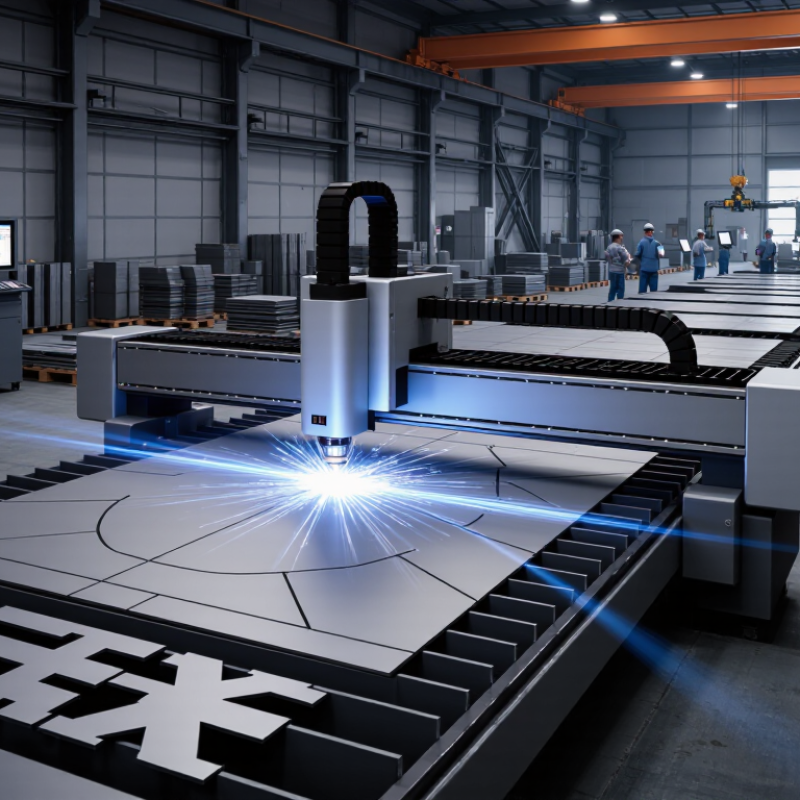
A steel laser cutter directs a concentrated beam onto a programmed cutting path. In many industrial systems, a fiber laser supplies the energy, while CNC controls move the cutting head or sheet. The beam heats a narrow area until the steel melts. A stream of assist gas then clears molten material from the cut. The result is a thin kerf, though its width depends on the setup.
Small details matter. Focus position, nozzle condition, and cutting speed can change edge quality. Too much speed may leave rough sections; too little can create excess heat and discoloration. Operators often test settings on a scrap piece of the same steel and thickness. It is not glamorous, but it can save a sheet.
These machines commonly cut mild steel and stainless steel, with suitable power and settings. Some systems can process other steel alloys, but results vary with composition, thickness, and surface condition. Thin sheet may cut quickly, while thicker plate usually needs more power and slower travel. Watch the edge, not just the machine display. A clean cut on one grade does not guarantee the same result on another, and that assumption is easy to make.
Key Criteria for Evaluating Steel Laser Cutters in 2026
A steel laser cutter should be judged against the parts you actually make, not its maximum advertised thickness. List the steel grades, sheet sizes, and daily cutting hours your shop requires. Then compare rated power with the thickness and edge quality you need. More power can increase throughput, but it may not solve poor focus control or inconsistent assist gas. Details matter.
Inspect the motion system, cutting head, and work bed for stability and access. Ask for sample cuts in your own material, then check edge taper, burrs, and repeatability with measuring tools. A clean demo on thin sheet proves little. Review extraction, enclosure safeguards, training, and the availability of replacement parts. Also calculate energy use and routine maintenance, not just the purchase price. A spreadsheet can make one option look obvious; real production may disagree. There is no perfect number. Leave room in the comparison for operator skill and changing workloads, which are easy to underestimate.
Fiber, CO₂, and Other Laser Cutter Types Compared
For most steel work in 2026, fiber lasers are the practical starting point. Their wavelength couples well with metal, making them efficient for cutting carbon and stainless steel. On a shop floor, that can mean clean edges and fast cycles on sheet stock. Power, nozzle condition, focus, and assist gas still matter; a high power rating alone cannot promise a good cut. Settings matter.
CO₂ systems can cut steel with suitable power and setup, but they are generally less energy-efficient for metal than fiber systems. Their mirrors and optical path also require regular care. Operators may see slower piercing or more dross when settings drift. CO₂ remains useful for shops that already have one or cut wood, acrylic, and other nonmetals too. That trade-off is real.
Disk lasers offer another solid-state option, with strong beam quality for industrial steel cutting. Cost, service access, and local support affect whether they make sense. Older Nd:YAG machines still serve some specialized or lower-throughput tasks, but are less common on new high-volume sheet lines. No type wins every job. Compare steel grade, thickness, daily run time, and edge tolerances using sample cuts. I would test the exact plate you plan to process; catalog speed figures can feel a little too neat.
How Leading Steel Laser Cutters Differ in Performance and Cost
A steel laser cutter’s real performance appears on the shop floor, not in its maximum-power figure. Higher power can speed through thick plate, but thin sheet may favor lower power, stable motion, and careful heat control. Compare machines using identical steel grades, thicknesses, assist gas, and cutting paths. Then inspect edge quality, dross, kerf width, and repeatability. ISO 9013:2017 provides a framework for classifying thermal-cut quality, making it more useful than relying on a single speed claim. Small details matter. Nozzle condition and operator setup can change results.
Cost differences extend beyond the purchase price. Include electricity, gas, consumables, maintenance, training, and time lost during changeovers. Grand View Research estimated the global laser cutting machines market at about $5.2 billion in 2023, with projected annual growth of 7.5% from 2024 to 2030. That market forecast signals investment, not proof that any cutter offers better value. Ask suppliers for timed sample cuts and a clear record of operating conditions. This comparison is imperfect: one test rarely reflects a full production shift. But a real cut on your own steel is more revealing than a polished brochure.
What Is the Best Steel Laser Cutter in 2026?
How power class affects maximum steel-cutting capacity—and what that means for cost.
Higher-power fiber lasers can cut thicker steel and often improve throughput, but typically require greater equipment investment and operating resources. The ranges shown are indicative maximum capacities, not guaranteed production targets; results vary with steel grade, assist gas, machine configuration, and required edge quality.
Choosing a Steel Laser Cutter for Your Production Needs
Choosing a steel laser cutter starts with the parts your shop actually makes. Record the steel grades, thicknesses, sheet sizes, and daily production volume. A machine selected only by its maximum cutting thickness may be costly and poorly matched to routine jobs. Power matters, but so do acceleration, cutting-head stability, and reliable performance over long shifts.
Look closely at the full workflow. A larger bed can reduce sheet handling, while suitable nesting software may lower scrap on parts with frequent size changes. Ask for sample cuts using your own material, then inspect edge taper, burrs, and heat discoloration. A clean sample cut can still mislead; it does not prove stable output across a full shift. Check whether extraction, assist-gas supply, and operator training fit your shop, too.
Maintenance affects production as much as cutting speed. Confirm how often lenses and nozzles need attention, how quickly common replacement parts are available, and what support technicians can provide. Build these costs into a realistic comparison with throughput and material waste. There is no perfect setting on paper. I would leave room for uncertainty, especially when future orders may involve thicker plate or tighter tolerances. A short production trial can reveal issues that a specification sheet cannot.