Minimal Space. Maximum Impact! Designed for when every millimeter matters> the new IRONLESS UNANO SERIES
Semiconductors
Increase throughput and precision of your system
Display
Enhance accuracy and precision with linear motors
Science and aerospace
Improve motion quality for a variety of applications
Machine tooling
Robust solutions for increased speed and precision
Digital cutting
Create modular and high throughput applications
Printing
Increase printing speed and quality using linear motors
Robotics
Integrate compact solutions for guaranteed uptime and high dynamics
Life science
Establish precise and clean integrated solutions
Woodworking
Maximize performance and accuracy for high throughput
Stages and system solutions
Compact integration and high performance for your axis
Vacuum applications
Best performance for clean and vacuum applications
Characteristics
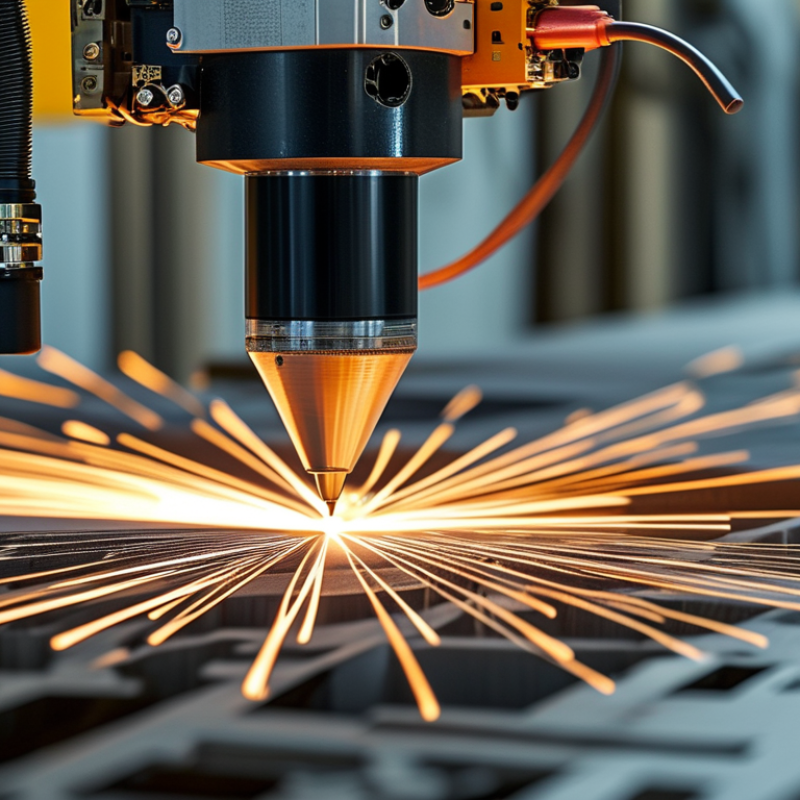
Choosing the best laser machine for global buyers in 2026 requires more than comparing prices and wattage. The right choice depends on materials, production volume, workspace, service access, and regional safety requirements. A fiber laser may suit metal fabrication, while a CO₂ model often handles wood, acrylic, leather, and selected plastics. UV systems can support detailed work on sensitive materials, but their operating costs deserve careful review.
Real purchasing experience shows that performance begins with the complete system. Buyers should inspect cutting samples, software stability, extraction design, cooling methods, and emergency controls. Ask for verified specifications, not attractive online claims. A machine that cuts quickly during a demonstration may perform differently after eight hours of daily production. Small details matter. Clean optics. Stable motion. Clear manuals.
Global buyers should also examine supplier history, technician training, spare-part availability, and warranty conditions. Local voltage compatibility and responsible installation can prevent expensive delays. Certification requirements differ between markets, so buyers should confirm applicable rules with qualified local professionals. Do not assume one document covers every region.
The word “best” is not absolute. It changes with the job. A lower-powered machine may be more practical for a small workshop, while an industrial model could reduce unit costs at scale. I would still test real materials before signing a purchase order. That step takes time, but skipping it can create costly disappointment. In 2026, a reliable laser machine should offer measurable output, safe operation, maintainable components, and support that remains available after delivery.
What defines the best laser machine for global buyers in 2026? It is not simply the most powerful model. The right machine matches the material, workload, workspace, and local requirements. A fiber laser may suit metal fabrication, while a CO2 system can handle wood, acrylic, and selected plastics. Buyers should check cutting speed, beam quality, positioning accuracy, and stable performance during long production runs. Bigger is not always better.
Reliability also depends on practical details. Confirm voltage compatibility, safety certification, enclosure design, emergency controls, and extraction requirements before ordering. Clear manuals and remote training can reduce costly mistakes. Spare parts should be available across borders, with realistic delivery times. Strong after-sales support matters when a lens becomes cloudy or calibration drifts. Total ownership cost includes maintenance, electricity, software, shipping, and operator training. I have seen buyers focus on the purchase price and overlook installation work. That decision can become expensive.
Tips: Request sample cuts using your own materials. Ask for test reports, warranty conditions, and service response times. Compare three-year operating costs, not only the invoice. Check whether the control software supports your workflow and language. Leave space for ventilation and maintenance access. A machine that looks perfect online may feel unsuitable after one week on the factory floor. That uncomfortable possibility deserves attention.
What Is the Best Laser Machine for Global Buyers in 2026?
Key Laser Machine Types and Their Ideal Applications
Choosing a laser machine starts with the material, not the advertised power. A fiber laser suits stainless steel, aluminum, brass, and other metals. It produces clean cuts and sharp markings on production parts. For sheet metal work, an enclosed fiber system with automatic height control can improve consistency. I have seen operators waste time when they choose power before checking thickness, tolerance, and daily workload.
CO2 lasers remain practical for wood, acrylic, leather, fabric, and some plastics. Their larger working areas support signs, panels, packaging prototypes, and interior decorations. A diode laser can handle light engraving on wood, coated metal, and certain craft materials. It usually costs less, but cutting speed and material range are limited. Small workshops may value its simple setup. Not every cheap machine is economical.
UV lasers are useful for delicate marking on glass, electronics, coated products, and heat-sensitive surfaces. Their shorter wavelength can reduce burning and edge damage. For detailed identification codes, a compact UV system may outperform a larger general-purpose machine. Buyers should verify electrical standards, ventilation needs, operator training, and local safety requirements. I once underestimated maintenance access. That mistake made routine lens cleaning unnecessarily slow. Machine documentation, spare-part availability, and realistic service support often matter more than peak specifications.
There is no single best laser machine for every buyer. The ideal choice depends on the material, required precision, production volume, and application. The chart compares representative laser wavelengths used by common machine types.
Buying guidance: Choose a CO₂ machine for versatile non-metal fabrication, a fiber machine for metal processing, a UV machine for delicate or detailed marking, and a diode machine for compact or entry-level engraving work.
What Is the Best Laser Machine for Global Buyers in 2026?
The best laser machine is not simply the fastest model. It must deliver stable output, controlled heat, and repeatable accuracy. Grand View Research’s 2024 analysis projects the laser cutting machine market to grow at about 8.7% annually through 2030. That growth increases choice, but also creates confusion. Buyers should request cutting samples, power measurements, and repeatability records before paying. A thin stainless-steel edge should look clean, not blue, rough, or heavily burred. Speed matters. Consistency matters more.
Safety is a purchasing requirement, not an optional feature. Check the laser classification against IEC 60825-1, and verify guarding, interlocks, emergency stops, ventilation, and electrical protection. ISO 11553-1 also provides safety guidance for laser processing machinery. The enclosure should prevent direct beam access during normal operation. Fume extraction needs practical evidence, such as airflow readings and filter specifications. A warning label alone is not enough.
Compatibility deserves equal attention. Confirm voltage, frequency, software formats, cooling capacity, spare-part availability, and operator training in the destination country. The 2024 World Manufacturing Forum report highlights growing pressure for flexible, digitally connected production, yet connectivity can introduce downtime and cybersecurity risks. I would test offline operation too. That detail is often missed. No machine is perfect. A careful buyer should record failures, not hide them, and compare lifetime operating costs instead of trusting impressive headline power.
The best laser machine is not always the lowest-priced one. Grand View Research expects the global laser processing market to expand strongly through 2030. That growth increases supplier choices, but also increases comparison risk. Start with the application, material thickness, cutting tolerance, duty cycle, and expected monthly workload. A machine designed for occasional work may fail under continuous production.
Compare the landed cost, not the catalogue price. Include freight, insurance, import duties, installation, training, software updates, and replacement optics. Ask for a written quotation with Incoterms and delivery responsibilities. The World Bank’s 2023 Logistics Performance Index surveyed 4,090 logistics professionals across 139 countries. Its findings show that customs, tracking, and delivery reliability differ widely between markets. A low factory price can become expensive after port delays and local clearance.
Service quality needs measurable evidence. Request response-time targets, remote diagnostics, spare-part stock, and technician coverage in your region. Check certificates, safety documentation, acceptance-test procedures, and customer references with similar materials. IEC 60825-1 provides a recognized framework for laser safety classification and equipment requirements. My comparison is not perfect. Buyers sometimes overvalue power and undervalue uptime. A two-day service delay can cost more than a modest price difference. Before payment, require sample tests using your material, under production-like conditions.
What Is the Best Laser Machine for Global Buyers in 2026?
A Practical Framework for Selecting the Right Laser Machine
Choosing the best laser machine in 2026 starts with the job, not the advertised wattage. A practical framework should examine material, thickness, daily volume, accuracy, and service access. In many factory evaluations, a 3 kW fiber cutter can outperform a 6 kW model for thin-sheet production. Lower power may reduce energy use and operator adjustments. The choice is rarely simple.
Fortune Business Insights’ 2024 Laser Technology Market report valued the global market at approximately USD 20.98 billion in 2023. It also projects strong growth through 2032. This expansion increases buyer options, but it can make comparisons confusing. The International Energy Agency reports that industry uses about 37% of global final energy demand. Therefore, compare machine power, chiller consumption, standby load, and compressed-air needs. Measure real costs, not brochure promises. Test before buying.
Ask suppliers to cut the same files in your actual materials. Record kerf width, piercing time, edge quality, gas consumption, and nesting yield. Check laser safety controls against IEC 60825-1 and machinery risk principles under ISO 12100. Service response also matters. Request spare-parts lead times, technician coverage, software support, and training details. Uptime claims need clear definitions. No framework is perfect. A spreadsheet can hide operator skill, dust, vibration, and maintenance habits. My score would remain provisional until the machine survives a controlled production trial.
| Machine Category | Primary Materials | Typical Working Area | Common Power Range | Typical Production Speed | Best Use Cases | Key Advantages | Main Limitations | Global Buyer Considerations | Selection Priority |
|---|---|---|---|---|---|---|---|---|---|
| Fiber Laser Cutting Machine | Mild steel, stainless steel, aluminum, brass, copper and other sheet metals | 1,500 × 3,000 mm to 2,000 × 6,000 mm | 1.5–20 kW | Up to approximately 20–40 m/min, depending on material, thickness and power | Sheet-metal fabrication, enclosures, automotive parts and industrial components | High cutting efficiency, narrow kerf, low consumable use and strong performance on reflective metals | Higher purchase cost; requires clean optics, assist gas and suitable ventilation | Verify electrical input, gas supply, machine guarding, operator training and local safety compliance | Best for metal production |
| CO₂ Laser Cutting and Engraving Machine | Wood, acrylic, paper, leather, textiles, rubber and selected non-metal materials | 600 × 400 mm to 1,600 × 1,000 mm | 40–300 W | Approximately 200–1,000 mm/s for engraving, depending on configuration | Signage, packaging, decorative products, furniture components and craft production | Versatile non-metal processing and good engraving quality on many organic materials | Not suitable for most bare-metal cutting; tube replacement and alignment may require maintenance | Check local rules for smoke extraction, fire prevention, cooling systems and permitted materials | Best for non-metals |
| Diode Laser Engraving Machine | Wood, plywood, cardboard, leather, coated metals and some dark acrylic materials | 400 × 400 mm to 1,000 × 1,000 mm | 5–40 W optical output | Approximately 3,000–12,000 mm/min for engraving | Small workshops, personalized products, prototypes and entry-level production | Compact design, low energy consumption and relatively simple operation | Limited cutting depth and restricted performance on transparent or highly reflective materials | Confirm enclosure requirements, emergency-stop design, exhaust performance and after-sales support | Best for entry-level use |
| UV Laser Marking Machine | Plastics, glass, ceramics, coated metals, electronic components and sensitive finished products | 70 × 70 mm to 300 × 300 mm marking field | 3–15 W | Approximately 2,000–8,000 mm/s marking speed | Fine marking, QR codes, medical packaging, electronics and heat-sensitive materials | Low thermal effect, high contrast and fine detail on a broad range of materials | Higher cost per watt and generally lower throughput for heavy material removal | Assess optical safety, fume control, wavelength-specific protection and product traceability needs | Best for delicate marking |
| Fiber Laser Marking Machine | Stainless steel, aluminum, iron, titanium, brass, coated metals and selected engineering plastics | 70 × 70 mm to 300 × 300 mm standard field | 20–100 W | Approximately 3,000–12,000 mm/s marking speed | Serial numbers, logos, barcodes, nameplates, tools and industrial traceability | Long service life, low routine maintenance and strong contrast on metals | Less suitable for clear glass, untreated wood and many transparent plastics | Check rotary-axis compatibility, marking software language, barcode standards and replacement-lens availability | Best for metal marking |
| Laser Welding Machine | Stainless steel, carbon steel, aluminum, galvanized steel and selected dissimilar-metal joints | Handheld or fixed workstation; joint length is application-dependent | 1–3 kW common range | Approximately 0.5–2 m/min, depending on joint design and material | Cabinet fabrication, metal frames, kitchen equipment and precision repair | Fast welding, narrow heat-affected zone and reduced post-weld finishing in many applications | Requires trained operators, protective systems and careful control of joint fit-up | Confirm laser class, protective enclosure or area controls, fume extraction and operator certification requirements | Best for precision joining |
| Laser Cleaning Machine | Rust, paint, oil, oxide layers and surface contaminants on metal and selected hard substrates | Handheld or automated scanning area; commonly 100–300 mm scan width | 100–3,000 W | Approximately 0.5–10 m²/h, depending on contamination and surface condition | Surface preparation, mold cleaning, maintenance and coating removal | Chemical-free process, low consumable use and selective removal with suitable parameter control | Initial equipment cost can be significant; removed coatings may generate hazardous fumes | Review waste-handling rules, extraction requirements, reflective-surface risks and job-specific validation tests | Best for surface treatment |
| Integrated CNC Laser Platform | Metal or non-metal materials, depending on the selected laser source and tooling | Customized; commonly 1,500 × 3,000 mm or larger | Application-dependent | Application-dependent; optimized for repeatable batch production | Multi-step manufacturing, automated loading, nesting and high-volume production | Improved workflow consistency, reduced manual handling and scalable automation | Higher integration complexity, longer commissioning time and greater software dependency | Evaluate service response time, spare-parts logistics, training, software compatibility and total ownership cost | Best for scalable factories |