How to Choose the Best Laser Machine for Your Business Needs?
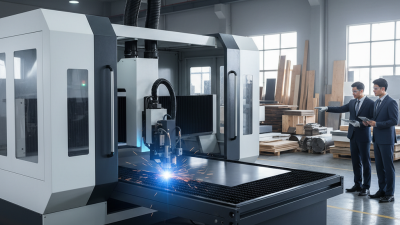
When selecting a laser machine for your business, it’s essential to understand your unique needs. The right machine can enhance efficiency and productivity. This decision involves various aspects, including material compatibility, machine size, and power options. Each business operates differently, and not every laser machine suits every process.
Consider your budget and the long-term benefits of the investment. Many businesses overlook maintenance costs associated with cheap laser machines. A higher initial price might offer better reliability and features. Evaluate what your competitors use and how it aligns with your goals.
In the end, thorough research is crucial. You may find that customer reviews and expert opinions can guide your choice. However, trusting only one source can be misleading. Reflect on your specific requirements and seek machines that meet those needs effectively. Balancing these factors will help you choose the best laser machine for your business.
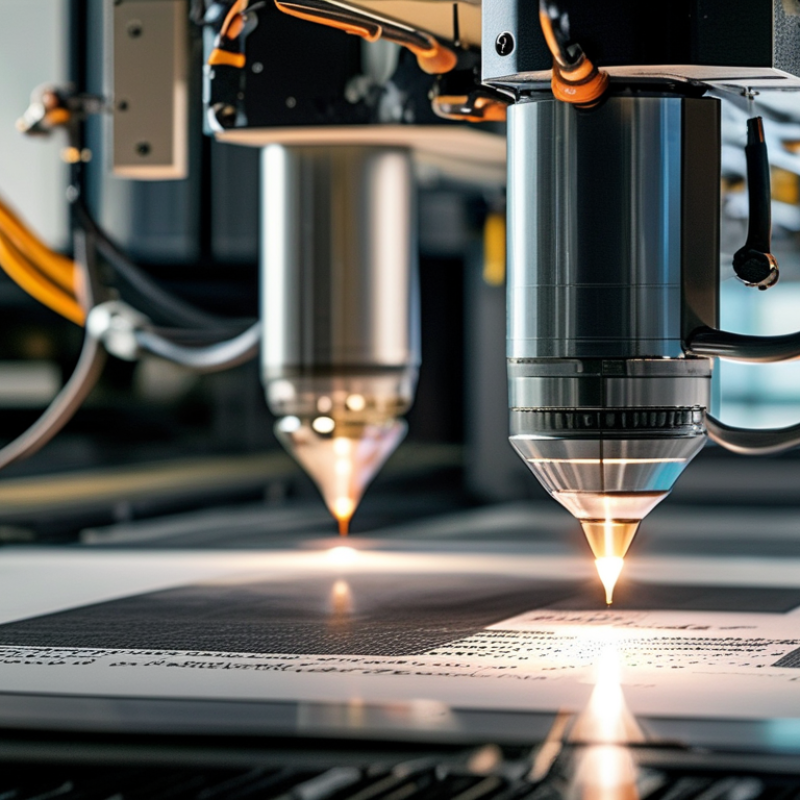
Understanding Different Types of Laser Machines for Business Applications
When considering laser machines for business applications, understanding the different types is crucial.
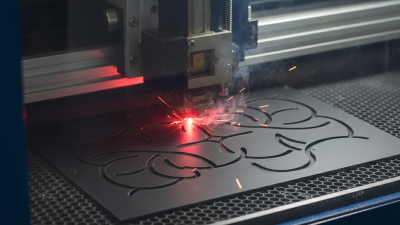
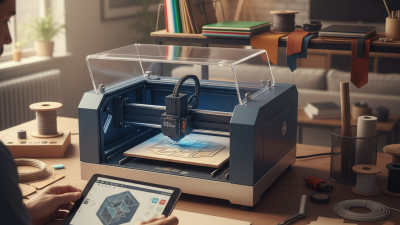
CO2 lasers are popular for cutting and engraving non-metal materials. They excel on wood, acrylic, and leather, making them ideal for crafts and signage.
Fiber lasers, on the other hand, are designed to work with metals. They offer precision for engraving and marking on materials like stainless steel and aluminum.
Another option is solid-state lasers, which provide versatility. These machines can handle a range of materials, though they may not perform as effectively as CO2 or fiber lasers for specific uses.
It’s important to reflect on your core business needs. Are you focusing on intricate engraving or bulk material cutting? Each laser type comes with its strengths and weaknesses.
Additionally, consider power levels and speed. Higher wattage provides faster processing, but it may lead to increased energy costs.
Importantly, do not overlook maintenance aspects. Regular upkeep is necessary to ensure optimal performance and longevity.
Unforeseen downtime can significantly affect productivity. Choose wisely based on detailed analysis and reflection on your unique applications.
Identifying Your Specific Business Needs and Objectives
When selecting a laser machine, understanding your specific business needs is crucial.
Data from industry reports indicates that 40% of businesses fail to align their equipment with operational requirements, resulting in wasted resources.
Start by assessing the materials you will work with, as different machines cater to diverse applications. For instance, if you focus on wood and acrylics, a CO2 laser machine might be ideal.
Consider the production volume required.
Research shows that companies with clear volume expectations are 30% more efficient.
Evaluate the machine's speed and precision to meet your demand.
You'll want to ensure the laser cutter or engraver you choose can maintain high-quality output without delays.
Take into account the available budget as well. A sophisticated machine may appear beneficial, but if it exceeds your financial capacity, it may hinder growth.
Experts often suggest seeking machines that provide a balance between cost and functionality. Reflect on the service support and maintenance options as well; a reliable service history can lead to longer machine lifespan and reduced downtime.
Evaluating Key Features and Specifications of Laser Machines
When selecting a laser machine, focus on key features that match your business needs. The power of the laser affects cutting speed and thickness. For example, a 50W laser typically cuts materials up to 5mm thick, while a 100W laser can handle thicker materials. Additionally, consider the type of laser technology. CO2 lasers are great for non-metal materials, while fiber lasers excel with metals. Evaluate your primary materials to choose wisely.
In a recent industry report, 65% of businesses highlighted speed as a crucial factor. If your operations demand quick turnaround times, prioritize models with higher engraving and cutting speeds. Speed can impact your overall productivity significantly. Remember, the cost of operation also ties into speed. A faster machine may use more energy but could offset costs through increased production.
Tips: Assess user reviews and case studies for real-world performance feedback. Understanding the limitations of a machine is as important as knowing its strengths. Look for testing data on precision and reliability, as flaws can lead to wasted materials and time. This evaluation phase may reveal areas needing improvement. Don’t rush; thorough research leads to better decisions.
How to Choose the Best Laser Machine for Your Business Needs?
| Feature |
Description |
Specifications |
Best For |
| Power |
Determines cutting speed and material thickness capability |
40W to 150W |
Thicker materials |
| Work Area |
Size of the material that can be processed |
300x200 mm to 1000x600 mm |
Large projects |
| Speed |
Rate at which the laser can cut or engrave |
0-1000 mm/s |
Efficiency in production |
| Cooling System |
Maintains optimal laser performance |
Air-cooled or water-cooled |
Long operation times |
| Software Compatibility |
Ease of design and operation |
CAD, CAM software support |
Design flexibility |
| Safety Features |
Ensures safe operation of the machine |
Protective covers, sensors |
Operator safety |
Comparing Costs and Budget Considerations for Laser Equipment
When selecting a laser machine for your business, budget is crucial. Laser equipment can range significantly in price. Factors influencing the cost include the machine's power, type, and features. High-powered models typically carry a premium price tag. However, it's essential to weigh these costs against your specific needs. A more affordable model might suffice, depending on your production scale.
Consider not just the purchase price but also ongoing expenses. Maintenance and operational costs can add up. Some machines require specialized materials, which can increase expenses. Experienced users often recommend budgeting for training. Proper training ensures optimal use of the equipment, minimizing errors. An inexperienced operator can lead to wasted materials and time.
Reflect on your long-term goals. Invest in a machine that aligns with your vision. Choosing a low-cost option might initially save money, but it could hinder growth later. Assess your expected production levels and potential for expansion. Sometimes, spending slightly more upfront can yield better returns over time. A thoughtful investment today could support your success tomorrow.
Researching Brands and Customer Reviews for Trusted Recommendations
When selecting a laser machine, researching brands is vital. Start by identifying key players in the market. Look for manufacturers with a solid track record. Their years in business often suggest reliability and quality. User experiences can provide insights into machine performance and durability.
Customer reviews are a goldmine of information. Many reviews share real-world experiences, highlighting strengths and weaknesses. Pay attention to recurring themes, both good and bad. A consistent issue with a specific model may indicate a significant flaw. Take time to analyze both positive and negative feedback. This balanced approach helps ensure a well-informed decision.
Sometimes, the highest-rated products may not fit your needs. Examining features closely is essential. Consider how a machine could perform specific tasks unique to your business. The ideal choice may not be the most popular one. Be open to different perspectives; sometimes, a less-discussed brand might serve you better. With thorough research, you can find a laser machine that aligns perfectly with your operational requirements.