Best Small Laser Cutting Machine for Global Buyers?
The demand for small laser cutting machines is growing worldwide. These machines offer precision and versatility for various industries. From engravings to intricate designs, their applications are vast and valuable.
Choosing the best small laser cutting machine can be challenging. Factors such as size, power, and material compatibility play crucial roles in the decision-making process. Many buyers overlook specific features, impacting their overall satisfaction. It's essential to gather insights from experienced users and trusted sources to make informed choices.
Investing in a small laser cutting machine requires careful consideration. Not all machines meet the diverse needs of global buyers. Some may lack the necessary support or documentation. Reflecting on these aspects can lead to better purchasing decisions and long-term benefits.
Best Small Laser Cutting Machine for Global Buyers: An Overview
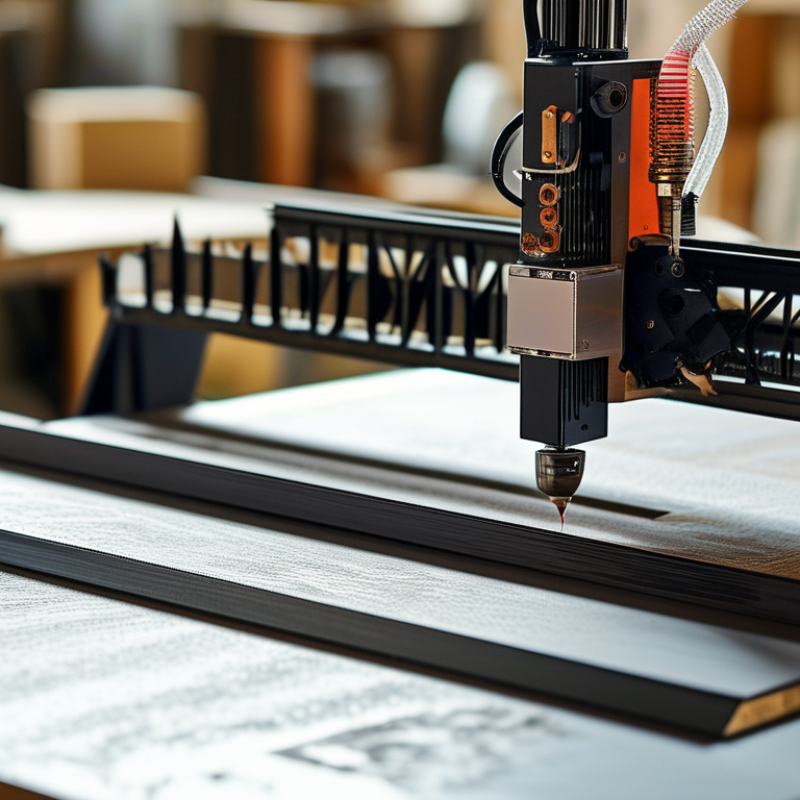
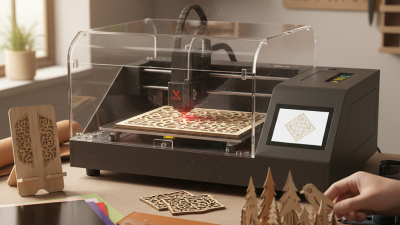
When looking for the best small laser cutting machine, buyers worldwide often seek specific features. A compact design is essential for many. Small laser cutters must fit in limited spaces while still offering robust performance. Many models excel in cutting various materials, such as wood, acrylic, and fabric. This versatility attracts small businesses and hobbyists alike.
Ease of use is another key factor. The user interface should be intuitive, enabling beginners to start cutting with minimal training. However, some machines may present a learning curve. Reliable customer support can significantly impact the user experience. Without access to help and resources, users may feel frustrated and overwhelmed.
Quality is crucial, too. Buyers should consider the machine's build and cutting speed. Machines that overheat can lead to inaccuracies and a shorter lifespan. While many affordable options exist, investing in a reliable machine could save money in the long run. Remember, careful research and consideration can help you find the right fit for your cutting needs.
Key Features to Consider in Small Laser Cutting Machines
When looking for the best small laser cutting machine, several key features are essential for global buyers. First, the cutting power matters. Reports suggest that machines with 40-60 watts tend to be more versatile. They can handle various materials, including wood, acrylic, and fabric effectively. Adequate power allows for cleaner edges and faster processing times. It’s vital to evaluate your specific needs based on the materials you intend to use.
Another crucial aspect is the cutting area. A compact laser cutter should still provide enough workspace. Many small machines offer a cutting area of around 300mm x 200mm, which is suitable for most small projects. However, consider if larger dimensions would benefit your work. Size affects not just capability but also portability. Additionally, user-friendly software enhances the cutting experience. Features like intelli-sense control and compatibility with popular design software are worth considering. These can streamline the design process and improve workflow efficiency.
Moreover, buyers should weigh reliability and maintenance. Frequent breakdowns can cost both time and money. Opt for machines with robust construction and good reviews on durability. Some reports indicate that manufacturers with a solid warranty often stand behind their products' reliability. Investing in a machine with a solid support system can alleviate future concerns. Overall, understanding these aspects will help you choose the right machine for your needs.
Top Brands and Models for Global Buyers in Laser Cutting
When considering the best small laser cutting machines, buyers often search for reliability and precision. A machine that offers accurate cuts can significantly enhance product quality. Features like adjustable power settings and speed controls are vital. Users appreciate equipment that accommodates various materials, from wood to acrylic. This flexibility allows businesses to expand their services and appeal to a wider audience.
Top brands usually focus on user-friendly interfaces. This can make a substantial difference for new users. A straightforward setup process can save time and reduce frustration. Additionally, having a robust customer support system is essential. Users often depend on timely assistance and resources like tutorials. It helps them tackle common issues without delays.
Price is another crucial factor. Many buyers aim for the best value without compromising quality. Cheaper models may lack durability and precision. Investing in a higher-quality machine can lead to better long-term results. However, it’s not always easy to identify these options. Prospective buyers should carefully assess their needs and analyze the features they truly require.
Comparative Analysis of Performance and Price in Laser Cutters
When considering small laser cutting machines, performance and price are crucial factors for global buyers. Research indicates that the average cost of compact laser cutters ranges from $2,000 to $8,000. This price variation depends on features, laser types, and cutting capabilities. High-quality machines often offer precision cutting within 0.1 mm, catering to industries like textiles and woodworking. However, this accuracy can come at a higher price point.
Moreover, the demand for small laser cutters is rising. A recent industry report shows a growth rate of approximately 15% annually. Many users have noted that entry-level models struggle with thicker materials. Unfortunately, some buyers might overlook this aspect, leading to dissatisfaction. Features like laser power, cutting speed, and software compatibility are significant. Not all machines deliver the expected performance, and it's vital for buyers to do thorough research.
In terms of reliability, the warranty and support services play a significant role. Models with robust post-purchase support generally receive higher satisfaction ratings. However, not every manufacturer meets these expectations. Users may find themselves frustrated if proper assistance is unavailable. Even with the right specifications, buyers must weigh performance against cost before making their decision, as it directly impacts their operational capabilities.
Best Small Laser Cutting Machines - Performance vs. Price
Maintenance Tips for Small Laser Cutting Machines to Ensure Longevity
Maintaining a small laser cutting machine is essential for its longevity and optimal performance. Regular maintenance can enhance cutting precision and extend the lifespan of the equipment. Reports indicate that up to 40% of equipment failures are due to inadequate maintenance practices. Neglecting this aspect can lead to costly repairs and downtime.
Tips for maintenance include regularly cleaning the optics, which is vital for maintaining cutting quality. Dust accumulation can reduce laser efficiency by 10-20%. Another critical aspect is checking alignment. Misalignment can lead to uneven cuts and increased wear on components. Monthly calibration can avoid significant issues down the line.
It's also important to monitor the cooling system. Overheating can damage internal parts swiftly. A study showed that 25% of laser cutting machine malfunctions were linked to cooling failures. Schedule routine inspections to prioritize functionality. These small efforts can prevent larger problems and ensure the machine operates smoothly for years.