Why Use Baking Parchment Paper for Baking?
Why Use Baking Parchment Paper for Baking?
Baking Parchment Paper is more than a convenient kitchen liner. It creates a clean barrier between dough, batter, and hot metal. This helps reduce sticking, protects delicate edges, and supports easier food release. A crisp cookie should lift without tearing. A roasted vegetable should not leave a stubborn, caramelized layer behind.
Industry research supports this practical value. Grand View Research’s Baking Paper Market Analysis identifies food preparation and baking applications as important demand areas. IMARC Group’s baking paper market report also connects growth with convenience, food safety, and household cooking habits. These reports describe market direction, not a guarantee of better baking. Technique still matters. Oven temperature, pan color, dough moisture, and paper quality can change results.
Professional kitchens value consistency. Parchment can help standardize tray preparation during repeated production. It may also reduce scrubbing, which saves time between batches. However, it is not magic. It should not touch open flames, heating elements, or exceed the manufacturer’s temperature limit. Some products are unbleached, while others use silicone coatings, so product labels deserve attention. I have found that parchment works best when it lies flat and matches the pan size. Folded corners can disturb thin batter. Excess paper can darken near a broiler. These small details are easy to overlook. Used thoughtfully, Baking Parchment Paper offers a practical balance of release, cleanliness, and repeatable baking performance.
What Baking Parchment Paper Is and How It Works
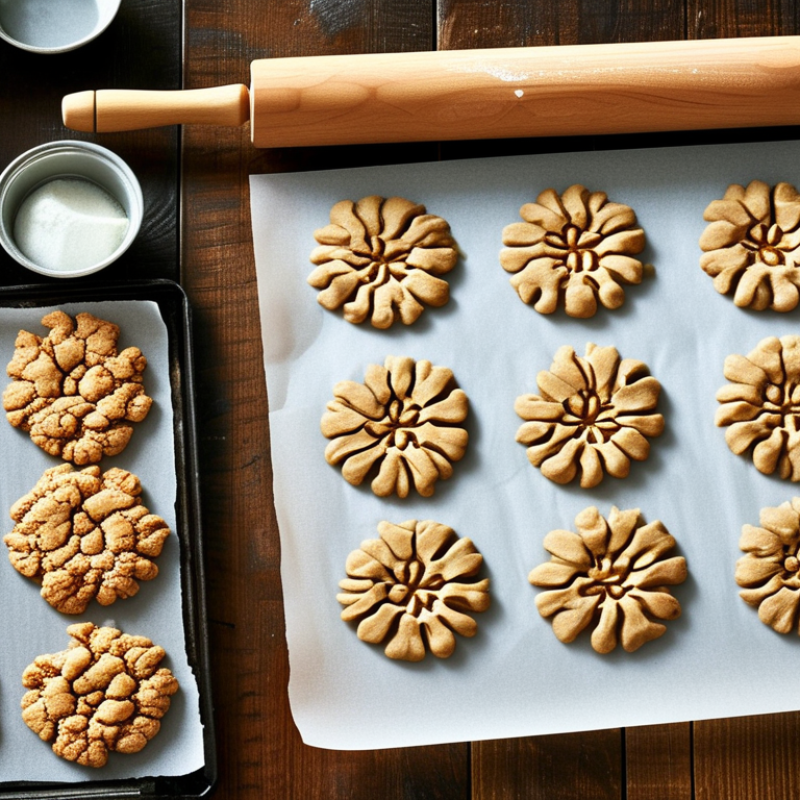
Baking parchment paper is a thin cellulose sheet treated with silicone. This coating creates a heat-resistant, nonstick surface for baking. It separates dough from metal pans. That simple barrier helps cookies release cleanly and keeps roasted vegetables from welding themselves to the tray.
In my kitchen, parchment is most useful for sticky doughs, delicate pastries, and thin biscuits. I cut it to fit the pan, then press the corners flat. A small smear of batter usually holds it in place. The paper also reduces scrubbing after baking. It does not spread heat like a metal pan, though. The pan still controls much of the browning.
Parchment is not the same as wax paper. Wax paper can smoke or melt when exposed to high oven heat. Parchment also has limits. Check its stated temperature range, and keep it away from direct flames and heating elements. I once let an oversized sheet touch the oven wall, and its edge darkened. That mistake reminded me to trim the paper carefully. It may need light greasing for very wet mixtures. My first assumption was that parchment prevents every sticking problem. It does not. The batter, pan temperature, and cooling time still matter.
How Parchment Paper Prevents Sticking and Improves Release
Parchment paper works by creating a thin, nonstick barrier between food and the baking surface. Its silicone-treated surface resists adhesion without requiring heavy greasing. As dough bakes, steam escapes while the paper limits direct contact with the hot metal. The result is cleaner release and fewer damaged edges. No scraping needed.
In a practical kitchen test, a lined metal tray usually releases cookies with intact edges. Unlined trays often need more fat, and delicate pastries can tear during lifting. This matters beyond appearance. UNEP’s Food Waste Index Report 2024 estimates that 1.05 billion tonnes of food were wasted globally in 2022. Parchment cannot solve food waste, but fewer broken pastries can prevent small losses. A small gain.
Material choice still requires judgment. The U.S. Food and Drug Administration regulates paper and polymer food-contact substances under 21 CFR Parts 176 and 177. Choose parchment labeled for baking, follow its temperature limit, and keep it away from open flames. The U.S. Environmental Protection Agency estimated 66.2 million tons of wasted food in the United States in 2019. That figure makes reliable release feel less trivial. I still crease sheets badly sometimes. Parchment helps, but it is not magic.
When to Use Parchment Paper for Different Baked Goods
Parchment paper is useful because it creates a thin barrier between food and the pan. It helps cookies release cleanly and reduces scrubbing after baking. It also supports even browning by limiting direct contact with hot metal. I often use it for delicate biscuits, especially when their edges spread quickly. A small mistake can still happen: poorly trimmed paper may curl or touch the oven wall.
For cookies and shortbread, parchment keeps buttery dough from sticking and makes repeated batches easier. For cakes, lining the pan base helps sponge cakes release without tearing. Grease the pan lightly first, then press the paper flat. This method works well for brownies too, where a paper sling can lift the baked slab for neat cutting. Do not rely on parchment alone for every recipe. A very wet cake batter may seep beneath an unlined edge.
Parchment is especially practical for bread rolls, roasted pastries, and fruit galettes. It protects the tray from sugary juices that can harden into a stubborn glaze. For meringues, it offers a smooth surface and gentle release after cooling. Check the package temperature guidance, and keep the paper away from direct flames or heating elements. Never confuse it with wax paper. I have made that mistake during hurried preparation. The result was unnecessary smoke and a pan that needed careful cleaning. For crisp pastry bottoms, I sometimes skip parchment after testing the dough, because direct pan contact can improve browning.
Safe Temperatures, Limitations, and Reusable Options
Why Use Baking Parchment Paper for Baking?
Parchment paper helps release cookies, pastries, and roasted vegetables with less scraping. It also reduces cleanup when sticky dough meets a metal tray. In my kitchen, it keeps delicate biscuits from tearing during transfer. However, parchment is not fireproof. Most products tolerate roughly 420–450°F (215–230°C), but the package instructions should control your decision. Temperatures vary between products. Never place parchment under a broiler, over an open flame, or against a heating element. It can darken, curl, smoke, or burn.
Parchment also has practical limitations. It may move on a flat tray unless dough or a small dab of batter holds it down. Do not confuse it with wax paper, which is not intended for ordinary oven baking. For repeated use, silicone baking mats can replace disposable sheets. They are washable and useful for cookies, kneading, and pastry work. Dry them completely before storage. Avoid sharp knives on their surface. I once assumed a reusable mat needed no care, but trapped moisture created an unpleasant smell. That mistake changed my routine.
Tips: Trim excess paper so corners cannot touch oven walls. Check the temperature rating before every unfamiliar recipe. If the edges become brittle or heavily stained, replace the sheet. A little caution protects both the food and the oven.
Baking parchment creates a nonstick barrier, helps reduce cleanup, and supports even browning without adding oil. Typical parchment is rated for temperatures up to about 420°F (215°C), while reusable silicone liners are commonly rated up to about 480°F (249°C). Ratings vary by product, so always follow the package instructions. Do not use parchment under a broiler, on an open flame, or where it can touch heating elements.