What Are Wedge Anchors and How Do They Work?
Wedge Anchors are mechanical fasteners designed to secure steel fixtures, equipment, railings, and structural components to concrete. Their action is simple, but their performance depends on careful installation. A typical anchor has a threaded stud, nut, washer, and expansion clip. The installer drills a hole, cleans it, inserts the anchor, and tightens the nut. As the stud rises, the clip presses against the concrete wall. Friction and mechanical interlock then resist tension and shear loads.
Ronald W. Cook, Ph.D., a respected researcher in concrete anchorage, emphasizes a critical principle: “The concrete must be able to develop the strength of the anchor.” That warning matters. Strong steel cannot compensate for weak concrete, poor embedment, or an improperly cleaned hole. Small details matter.
This guide explains what Wedge Anchors are and how they work in real construction conditions. It examines load transfer, expansion, embedment depth, edge distance, spacing, and torque requirements. It also considers cracked concrete, moisture exposure, corrosion, and inspection practices. These factors often decide whether an anchor performs reliably or fails early.
The process is not complicated.
However, assumptions can become dangerous. A hole may look clean while dust remains at the bottom. The specified torque may feel excessive, yet under-tightening can prevent proper expansion. Product markings, approved data, and project requirements should always be checked before installation. The following sections connect the theory with practical site decisions, helping readers choose and install Wedge Anchors with greater confidence and fewer avoidable mistakes.
Definition and Basic Structure of Wedge Anchors
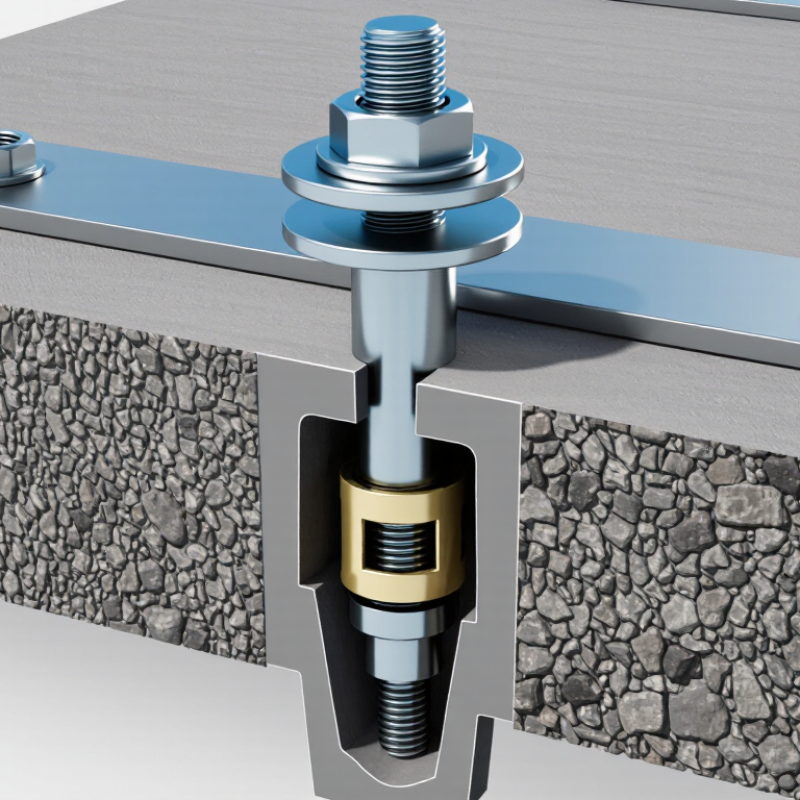
A wedge anchor is a mechanical fastener designed to attach fixtures to concrete or other solid masonry. It consists of a threaded steel stud, an expansion clip, a nut, and a washer. The stud enters a predrilled hole, while the clip sits near its embedded end. Small parts matter.
The anchor works through expansion rather than chemical bonding. After the fixture is positioned, the nut is tightened on the exposed threads. This action pulls the stud upward through the clip. The clip moves outward and presses against the hole walls. That pressure creates friction and helps resist tension and shear forces. The concrete must be sound, properly cured, and thick enough for the required embedment depth. A shallow hole can leave the connection looking secure while reducing its actual holding capacity.
Reliable installation depends on more than choosing the correct diameter. Field checks should confirm hole depth, cleanliness, edge distance, and tightening torque. Dust left inside the hole can interfere with full expansion. A common mistake is treating the washer as decorative; it distributes pressure under the nut and supports the attached fixture. I have also seen anchors installed too close to cracked concrete. That condition deserves a careful review, not a quick assumption. Load tables and engineering requirements may change with base material, spacing, and exposure conditions.
Materials, Sizes, and Load Ratings
Wedge anchors are mechanical fasteners for securing fixtures to solid concrete. They work through expansion. As the threaded stud is tightened, a cone pulls into an expansion clip. The clip presses firmly against the drilled hole, creating friction and holding power. They are not suitable for brick, hollow block, or cracked concrete unless specifically approved for those conditions.
Material affects durability. Zinc-plated steel is common for dry indoor areas. Hot-dip galvanized steel offers better resistance to moisture. Stainless steel is usually preferred near coastal air or frequent washdown, though its strength can vary by grade. Available sizes typically include different diameters and lengths. Diameter influences shear capacity, while length must provide enough embedment through the fixture. A thick base plate needs a longer anchor.
Load ratings depend on more than anchor size. Concrete strength, embedment depth, edge distance, spacing, and installation torque all matter. A 12 mm anchor may perform poorly when installed too close to an edge. That detail is easy to overlook. Published values should be treated as tested limits, not guaranteed field performance. Actual concrete may contain voids, weak zones, or hidden reinforcement.
Tips: Drill with the correct bit diameter, then remove dust from the hole. Tighten with a calibrated torque wrench when specifications require it. Check the concrete surface for cracks before installation. Recheck the design when vibration, overhead loads, or outdoor exposure is involved. The safest choice is not always the largest anchor.
Wedge Anchor Sizes and Reference Embedment
Wedge anchors expand against the sides of a drilled hole when the nut is tightened, creating mechanical resistance in concrete. The chart uses a common preliminary sizing reference of approximately four times the anchor diameter for embedment. Actual minimum embedment, material selection, and load ratings depend on concrete strength, edge distance, spacing, installation torque, corrosion environment, and the anchor’s tested specifications. The values shown are not design load ratings.
How Wedge Anchors Create Holding Force
What Are Wedge Anchors and How Do They Work?
How Wedge Anchors Create Holding Force
Wedge anchors are mechanical fasteners designed for concrete and other solid masonry materials. Their holding force comes from expansion inside a drilled hole. A typical anchor includes a threaded stud, nut, washer, expansion clip, and tapered section.
After drilling, the installer cleans the hole and places the anchor at the required depth. Tightening the nut pulls the tapered stud upward. The taper pushes the expansion clip outward against the concrete wall. This creates strong friction and mechanical interlock. The concrete resists movement around the expanded clip.
That contact creates the holding force.
In field work, installation quality often matters as much as anchor size. Dust left in the hole can reduce expansion and weaken contact. A hole that is too shallow may prevent proper engagement. Excessive torque can also damage the concrete or distort the anchor. I have seen a correctly sized anchor perform poorly because the hole was not cleaned carefully.
Load transfer depends on more than friction. Concrete strength, embedment depth, edge distance, spacing, and load direction all affect performance. Tension pulls the anchor outward, while shear pushes it sideways. Cracked or weakened concrete requires an anchor evaluated for that condition. Manufacturer test data and applicable construction standards should guide selection.
The basic mechanism looks simple. Real conditions are less forgiving. Temperature, vibration, installation angle, and poor drilling can change results. A small error may remain invisible until the connection carries a serious load.
Step-by-Step Installation Process
What Are Wedge Anchors and How Do They Work?
Step-by-Step Installation Process
Wedge anchors secure fixtures to solid concrete by expanding inside a drilled hole. Their steel clip grips the concrete as the nut tightens. Proper installation begins with checking the concrete condition, thickness, and possible reinforcement. Avoid cracked or weak areas unless an engineer approves the location. Wear eye protection, gloves, and hearing protection during drilling.
Mark each anchor position carefully. Use a hammer drill with the correct bit diameter and drill to the specified depth. Keep the bit straight. Remove dust with a brush and compressed air, repeating the cleaning cycle when necessary. A rushed cleaning step can reduce holding strength. Insert the anchor through the fixture until the washer rests firmly against the surface. Tap it gently with a hammer if needed. Do not force a damaged anchor.
Install the washer and nut, then tighten the nut with a calibrated torque wrench. Follow the stated torque value for the anchor size. Over-tightening may damage the concrete or anchor threads. Under-tightening can leave the fixture loose. Check that the fixture sits flat and that the exposed threads remain sufficient. I have found that marking the required embedment depth on the bit prevents guesswork, though it is easy to overlook this small detail.
Tips: Keep holes away from concrete edges. Recheck alignment before tightening. Clean tools after use. When the concrete condition is uncertain, ask a qualified professional to review the installation.
Advantages, Limitations, and Common Applications
Wedge anchors are mechanical fasteners designed for solid concrete. A threaded stud, expansion clip, nut, and washer form the basic assembly. After drilling a hole, the installer cleans it and inserts the anchor. Tightening the nut pulls the stud upward, forcing the clip against the concrete walls. Friction and mechanical interlock then resist tension and shear forces.
Their main advantage is immediate load-bearing performance. No adhesive curing time is required. They suit steel columns, handrails, equipment frames, storage racks, and base plates. Properly selected anchors can tolerate vibration and substantial loads.
On-site inspections, however, often reveal poor hole cleaning or insufficient tightening. A small mistake matters. A calibrated torque wrench and the specified embedment depth improve installation reliability.
Limitations deserve equal attention. Wedge anchors need sound concrete and adequate edge distance. They are unsuitable for weak, cracked, or thin concrete unless engineering data permits their use. Installation near an edge can cause concrete breakout.
Dust, oversized holes, and damaged threads also reduce capacity. Outdoor or damp locations require suitable corrosion resistance, but material selection depends on exposure conditions. Anchor spacing, concrete strength, applied loads, and local building requirements should be checked by a qualified professional. Removal is possible, yet the original hole may not remain reliable for another critical anchor. That point is easy to overlook.


