What is a Webbing Sling and How to Choose the Right One?
When it comes to lifting heavy loads, choosing the right equipment is essential. A Webbing Sling is a popular choice in various industries due to its versatility and strength. According to Mark Jensen, a leading expert in rigging safety, “Selecting the proper Webbing Sling can make all the difference in a safe operation.” His insights reflect the importance of understanding the basics of these slings before use.
Webbing Slings come in different configurations and materials, each suited for specific tasks. It is crucial to consider the load type, weight, and environment. Additionally, many users overlook the wear factors affecting sling performance. To ensure safety, regular inspections and understanding the manufacturer's guidelines are vital.
In a world where safety cannot be compromised, knowing the ins and outs of Webbing Slings is key. One must reflect on past errors in choices and learn from them. Selecting the right sling goes beyond aesthetics; it plays a significant role in overall safety during lifting tasks.
What is a Webbing Sling?
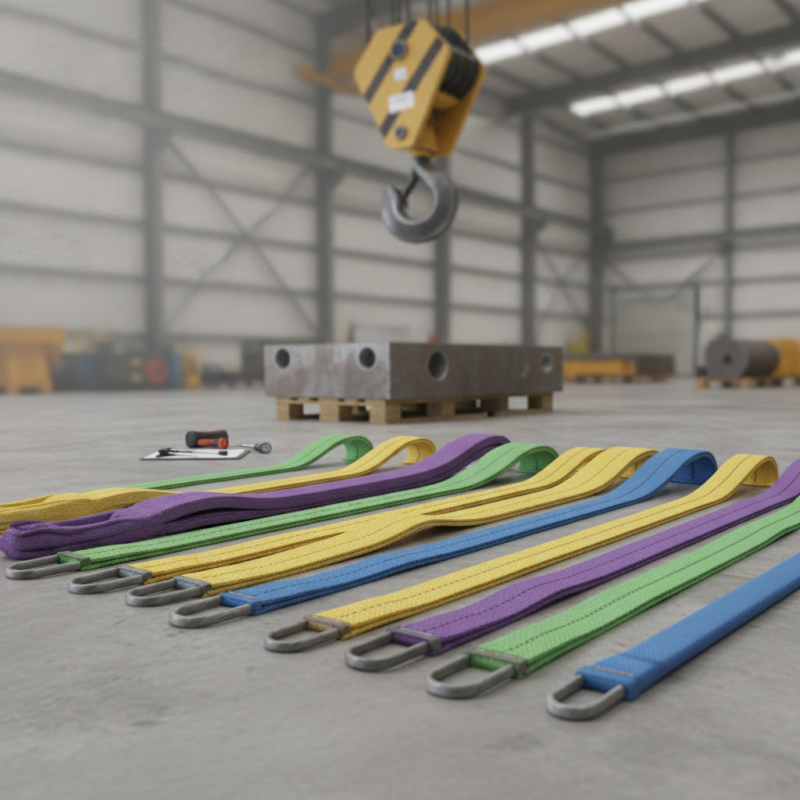
Webbing slings are essential tools in various industries. Composed of durable woven material, they provide excellent strength-to-weight ratios. These slings are particularly valued for their ability to lift heavy loads without damaging them. According to industry reports, webbing slings can carry between 1 ton to over 60 tons, based on their size and construction.
Different types of webbing slings are available, each suited for specific tasks. For instance, flat slings provide versatility, while round slings offer increased abrasion resistance. Notably, the color coding on slings indicates their load limit, which is crucial for preventing overload. Research indicates that nearly 20% of lifting accidents occur due to improper sling selection or usage.
When selecting a webbing sling, several factors should be considered. The type of load, environmental conditions, and required lifting angles all play significant roles. It's essential to refer to the manufacturer's guidelines for safe usage. A common issue is the underestimation of wear and tear on slings. Regular inspection and prompt replacement are critical for ensuring safety and reliability. These steps contribute to a safer working environment while optimizing the effectiveness of the lifting equipment.
Types of Webbing Slings and Their Uses
Webbing slings are versatile tools used for lifting and securing loads. There are several types of webbing slings, each suited for different applications. Flat webbing slings are common. They are simple and easy to use. These slings can lift items with a wide surface area. This makes them ideal for handling machinery or furniture.
Round slings, on the other hand, are made from synthetic fibers and have a unique design. They are often used in situations that require precise lifting. Their round shape allows for even distribution of weight, which can help when lifting delicate or irregularly shaped objects.
However, users should be cautious. Relying solely on round slings for heavy loads could lead to accidents if not monitored properly.
Another type is the endless sling. This is a continuous loop, which can be used in various orientations. It is versatile but requires proper understanding for safe use. The choices can be overwhelming for those unfamiliar. To ensure safety, consider weight limits and the specific needs of your task. Taking time to evaluate these factors can prevent mishaps and increase efficiency in lifting operations.
Key Factors to Consider When Choosing a Webbing Sling
When choosing a webbing sling, several key factors come into play. Load capacity is critical. Ensure the sling can handle the weight you need without risk. Check the Working Load Limit (WLL) for guidance. Material is another consideration. Polyester is durable yet flexible. Nylon offers more stretch but may not be as strong under repetitive use.
Tips: Inspect the sling regularly for signs of wear. Look for frayed edges or discoloration. If you spot any damage, replace it promptly.
Environmental factors matter too. Exposure to UV light or chemicals can weaken the webbing. Choose a sling designed for harsh conditions if you work outdoors. Also, consider the length and type of sling. Longer slings can be used for various applications, but they may be more cumbersome. Keep your options balanced between versatility and ease of use.
Tips: Always store your slings clean and dry. Proper storage prolongs their life. Don't forget to match the sling type to your specific lifting needs. Your choice can impact safety significantly. Reflect on past experiences when selecting the right webbing sling. Mistakes can lead to dangerous outcomes, so stay informed.
Safety Guidelines for Using Webbing Slings
Using webbing slings safely is crucial for any lifting operation. Always inspect the sling before each use. Look for cuts, burns, or frayed edges. If you notice any damage, do not use the sling. Safety should always come first. Even a small flaw can lead to failure during a lift.
When lifting, be mindful of the load's weight and dimensions. Ensure the sling can handle the weight and match the load's shape. Avoid tying knots in the sling because this can weaken it. Use proper rigging techniques. Educate all personnel involved about the risks. Provide training to ensure everyone understands how to use these slings safely.
Keep slings away from sharp edges. Protect them with padding or blankets if necessary. Also, store slings properly when not in use, away from direct sunlight and moisture. These steps enhance their lifespan and safety. It's essential to reflect on past uses and learn from any mistakes. Safety is an ongoing commitment and requires constant vigilance.
Maintaining and Inspecting Webbing Slings for Longevity
Maintaining and inspecting webbing slings is crucial for ensuring their longevity. Regular checks can prevent accidents and enhance safety in various lifting applications. According to industry reports, the leading cause of sling failure is improper inspection. Visual signs of wear, such as fraying or discoloration, should be immediately addressed.
Sling inspection should happen before each use. Remember to look for cuts or broken fibers. A survey shows that about 30% of slings fail due to overlooked damage. Keep records of inspections to track the slings’ conditions over time. This can also help in making informed decisions on replacements.
Proper storage also impacts sling longevity. Excessive heat or UV exposure can weaken the material. Manufacturers recommend storing slings in a cool, dry place, away from direct sunlight. According to data, slings stored improperly can lose up to 50% of their strength. Additionally, ensuring that slings are not overloaded can prevent premature failures. Using them within their rated capacity is essential for safety and durability. Regular training on proper sling usage and care can significantly reduce risks associated with sling failures.
What is a Webbing Sling and How to Choose the Right One? - Maintaining and Inspecting Webbing Slings for Longevity
| Dimension | Description | Weight Capacity (tons) | Length (meters) | Inspection Frequency (months) |
| 1 inch | Standard webbing sling for light loads | 1 | 2 | 6 |
| 2 inches | Versatile for medium loads | 2 | 3 | 6 |
| 3 inches | Ideal for heavy lifting | 3 | 4 | 3 |
| 4 inches | Suitable for very heavy loads | 4 | 5 | 3 |
| 5 inches | Used for extreme heavy lifting | 5 | 6 | 3 |