Top 10 Rapid Rate Thermal Cycle Chambers for Global Buyers?
In the world of environmental testing, the importance of a rapid-rate thermal cycle chamber cannot be overstated. These chambers are essential for simulating extreme temperature conditions. They help manufacturers assess product durability and performance. According to a recent report by Research and Markets, the global thermal testing market is projected to grow significantly, reaching $1.5 billion by 2025. This growth signifies the increasing demand for precise thermal testing solutions.
Rapid-rate thermal cycle chambers offer quick temperature transitions, which are crucial in various industries, including automotive, aerospace, and electronics. Their ability to create extreme thermal stress ensures products meet stringent reliability standards. However, choosing the right chamber can be daunting due to various factors, such as temperature range, speed, and size.
Some buyers often overlook the importance of chamber calibration and maintenance. Ensuring accuracy is imperative for achieving reliable test results. As the industry evolves, understanding the specific needs of your applications is paramount. Delving into this topic will provide insights into the top ten rapid-rate thermal cycle chambers available for buyers today, allowing informed decisions for optimal product testing.
Overview of Rapid Rate Thermal Cycle Chambers
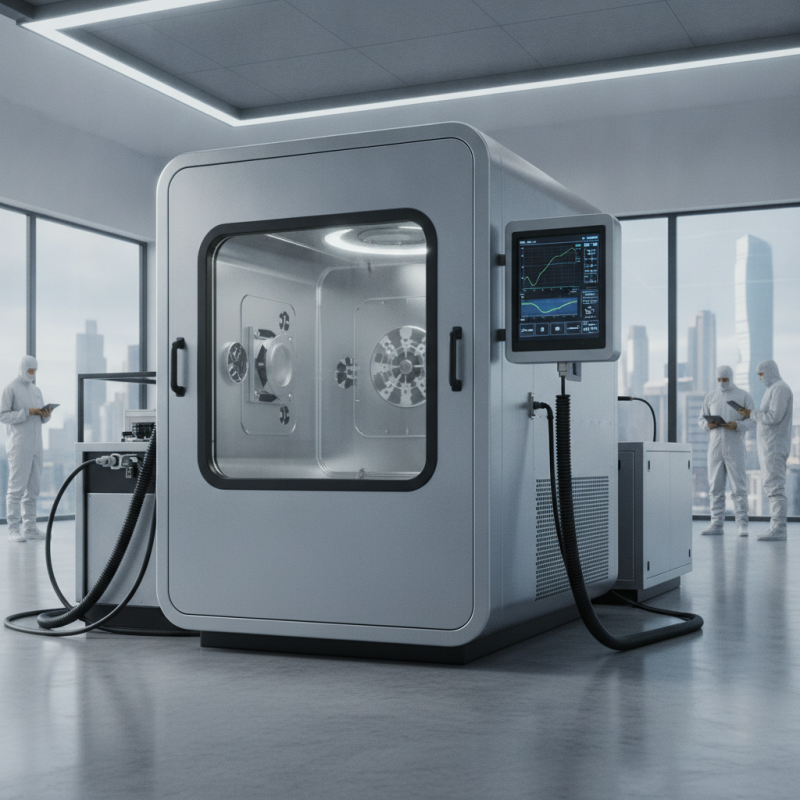
Rapid Rate Thermal Cycle Chambers (RRTCC) play a crucial role in various industries. They are designed for testing materials under extreme temperature fluctuations quickly. According to industry reports, these chambers can replicate conditions ranging from -70°C to 180°C. This capability allows for the evaluation of component performance, ensuring reliability in real-world applications. Many manufacturers utilize RRTCC to accelerate reliability testing, significantly reducing product development timelines.
When selecting an RRTCC, consider the temperature range and cycle rate. Some high-end models can achieve cycle rates of 10°C/min or more. This feature allows for more rigorous testing scenarios. Additionally, the effective operation of these chambers largely depends on uniformity and stability across the testing space. Maintaining precise temperature control is critical for obtaining accurate test results.
Tips: Always assess the chamber’s insulation. Poor insulation can lead to inaccurate readings. Ensure that the chamber's calibration is routinely checked. Regular maintenance is essential for reliable performance. Investing time in understanding your specific testing requirements will enhance the efficacy of your RRTCC. Not all chambers may meet the unique needs of your applications.
Key Features and Specifications to Consider
When selecting a rapid rate thermal cycle chamber, certain key features are crucial. Look for a chamber with a wide temperature range. This allows testing under various conditions. A rapid temperature transition capability is essential. It helps simulate real-world scenarios efficiently.
Consider the chamber’s size and interior design. A spacious setup can accommodate larger samples. Enhanced airflow can improve temperature uniformity. Pay attention to control systems too. An intuitive interface simplifies operation. Users benefit from quick adjustments.
Tips:
- Always verify the chamber's energy efficiency. This can lead to cost savings.
- Check user reviews for insights on reliability. Real experiences can highlight strengths or weaknesses.
- Investing time in research pays off.
Top 10 Brands and Models in the Market
When selecting rapid rate thermal cycle chambers, various models stand out in the market. These chambers are essential for simulating environmental conditions. Their ability to withstand extreme temperature changes plays a crucial role in research and product testing. Many brands offer unique features. Some excel in temperature uniformity, while others emphasize energy efficiency.
One notable aspect is the variability in pricing and specifications across models. Buyers often face challenges in choosing the right chamber. A deep understanding of specific research needs is necessary. It's crucial to assess factors like chamber size and control precision. However, intricacies in operation might leave room for improvement. Some users report difficulties in maintaining consistent temperatures, highlighting the importance of diligent calibration.
Investing in advanced thermal cycle chambers can significantly improve testing outcomes. Yet, potential buyers should remain aware of performance limits. Conducting real-world comparisons is essential for informed decision-making. As the market evolves, staying updated on technological advancements could enhance your choices.
Top 10 Rapid Rate Thermal Cycle Chambers - Performance Comparison
Comparison of Performance Metrics and Pricing
When considering thermal cycle chambers, performance metrics and pricing are critical factors for global buyers. Recent industry reports indicate that rapid rate thermal cycle chambers can range from $10,000 to $150,000. These prices depend on features like temperature range, chamber size, and control systems. Many buyers struggle to balance cost with performance specifications. A chamber designed for small-scale testing may not meet the rigorous demands of larger applications.
Temperature consistency is a key performance metric in thermal cycle chambers. A high-quality chamber should ensure a temperature fluctuation within ±1°C. Some lower-end models often do not meet this tolerance. In fact, data shows that systems with better temperature control can improve testing accuracy by up to 25%. Additionally, cycle time is vital. Many chambers achieve rapid cooldown or heat-up rates, significantly impacting efficiency. However, systems with faster rates typically cost more, raising concerns about long-term return on investment.
Buyers must also consider user interface quality and support services. As technology evolves, maintenance can become more complex. Chambers requiring frequent calibration can lead to increased operational downtime. Understanding the total cost of ownership is essential, as it affects overall budget decisions. Buyers often overlook this, leading to potential setup and operational challenges later on.
Applications and Industries Utilizing Thermal Cycle Chambers
Thermal cycle chambers play a critical role across various industries. These devices simulate extreme temperature changes to test product durability. The automotive, aerospace, electronics, and pharmaceutical sectors heavily utilize them. According to a recent market analysis, the thermal chamber market is projected to grow at a compound annual growth rate (CAGR) of 6.2% from 2023 to 2030. This growth underscores the importance of reliable testing equipment.
Automotive manufacturers use thermal cycle chambers to assess components' resilience to climate variations. They ensure that parts withstand extreme conditions without failing. Similarly, aerospace companies test materials for their performance in unstable environments. Electronics industries require thermal chambers for quality assurance in product development. Pharmaceutical companies also rely on them to ensure stability in drug storage.
Tips: When selecting a thermal cycle chamber, consider its temperature range and uniformity. Make sure the equipment fits your specific testing requirements. Regular maintenance is crucial for accuracy. Testing protocols need continuous evaluation to improve reliability. Test conditions should reflect real-world scenarios; otherwise, results may be misleading.