Top 5 Linear Motion Motor Applications You Need to Know About

Linear motion motors are revolutionizing various industries. These powerful devices convert electrical energy into linear motion. They offer precision and speed in movement, making them ideal for many applications.

In manufacturing, linear motion motors enable swift and accurate placement of components. They enhance automation processes, improving productivity and efficiency. Their ability to operate continuously without wear is a significant advantage in production lines.

However, the technology is not without challenges. Reliability and maintenance can become issues over time. Users must understand the nuances of installing and integrating these motors into existing systems. Balancing performance with potential drawbacks is essential for maximizing their benefits.

Top 5 Linear Motion Motor Applications You Need to Know About

Key Features of Linear Motion Motors

Linear motion motors are essential in various applications. They convert electrical energy into linear motion. This technology offers several key features that enhance performance and efficiency.

One notable feature is high precision. Linear motion motors provide accurate movements, crucial for automation tasks. They often achieve positioning with an accuracy of microns. This level of precision is vital in industries like pharmaceuticals and electronics. However, maintaining such precision requires regular calibration and monitoring.

Another important aspect is speed. These motors can operate quickly, significantly reducing cycle times. However, rapid movements can lead to wear and tear on components. It’s essential to balance speed with durability. Aim for optimal speed without compromising motor life.

Tips: Regularly inspect motor components to catch potential issues early. Options like feedback encoders can enhance precision and reliability. Consider the environment where the motor will operate, as temperature fluctuations can affect performance.

Lastly, linear motion motors are energy-efficient. They provide direct motion without the need for complex mechanisms. Still, not all applications may benefit from this efficiency. Assess your specific needs carefully before deciding.

Top 5 Linear Motion Motor Applications You Need to Know About - Key Features of Linear Motion Motors

Application Description Key Features Benefits
Automated Warehouse Systems Used for the automated storage and retrieval of goods. High-speed movement, accuracy, and adaptability. Increased efficiency, reduced labor costs, and improved inventory management.
CNC Machines Precise control of tools for cutting, milling, and shaping materials. High precision, repeatability, and programmable control. High-quality finishes, reduced waste, and versatile machining capabilities.
Medical Equipment Used in devices such as MRI machines and robotic surgical instruments. Precision control, reliability, and quiet operation. Improved patient outcomes, enhanced diagnostic capabilities, and safety.
3D Printers For the accurate layering of materials to create three-dimensional objects. High speed, accuracy, and customizable configurations. Rapid prototyping, reduced production costs, and creativity in design.
Robotics Used in automating processes and manufacturing tasks. Dynamic movement, high performance, and advanced control. Flexibility in production, high throughput, and reduced error rates.

Applications in Industrial Automation and Robotics

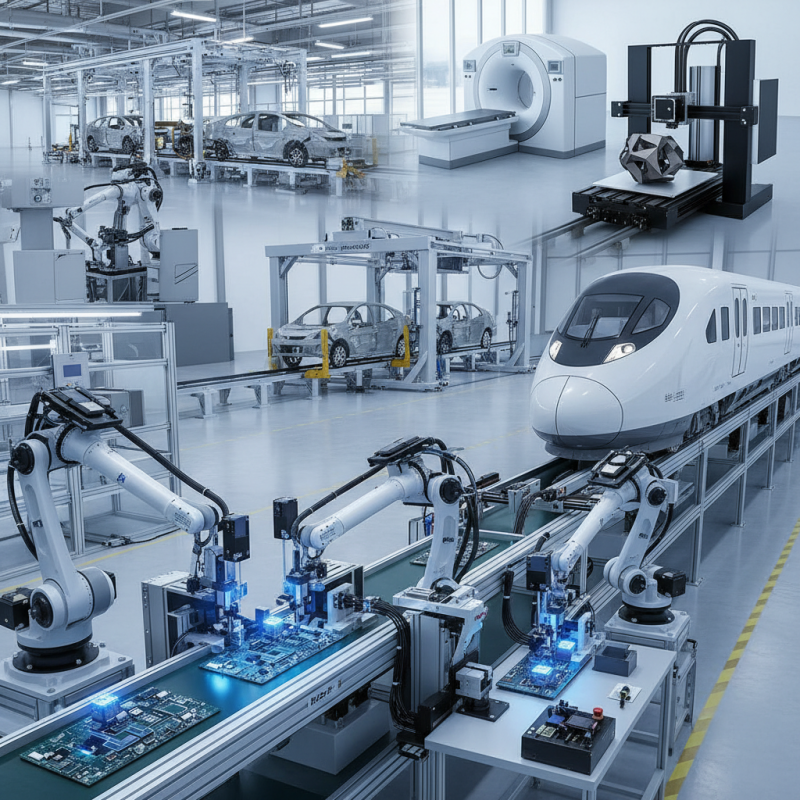
Linear motion motors are revolutionizing industrial automation and robotics. These systems convert electrical energy into linear motion with high precision. This technology is widely used in applications like conveyor belts, packaging machines, and robotic arms. They offer speed and accuracy, improving overall efficiency. However, system integration can be complex. Engineers must ensure compatibility with existing systems.

In robotics, linear motion motors play a critical role in robotic arms and pick-and-place machines. They allow for smooth movement and precise positioning. This enhances the robot’s ability to perform complex tasks. Yet, the design phase often faces unexpected challenges. Balancing speed and torque can be tricky, requiring careful calculations.

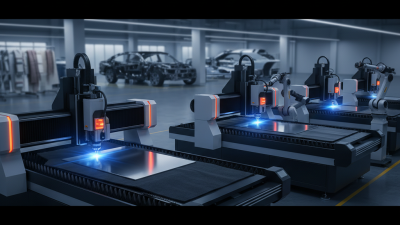
Another application is in CNC machines, where precision is paramount. Linear motion provides the needed accuracy for cutting and milling operations. Nonetheless, maintenance can be demanding. Regular checks are vital to avoid potential breakdowns. The technology is promising, but it needs constant refinement and adjustment to fully realize its potential.

Top 5 Linear Motion Motor Applications in Industrial Automation and Robotics

Use in Medical Equipment and Laboratory Automation

Top 5 Linear Motion Motor Applications You Need to Know About

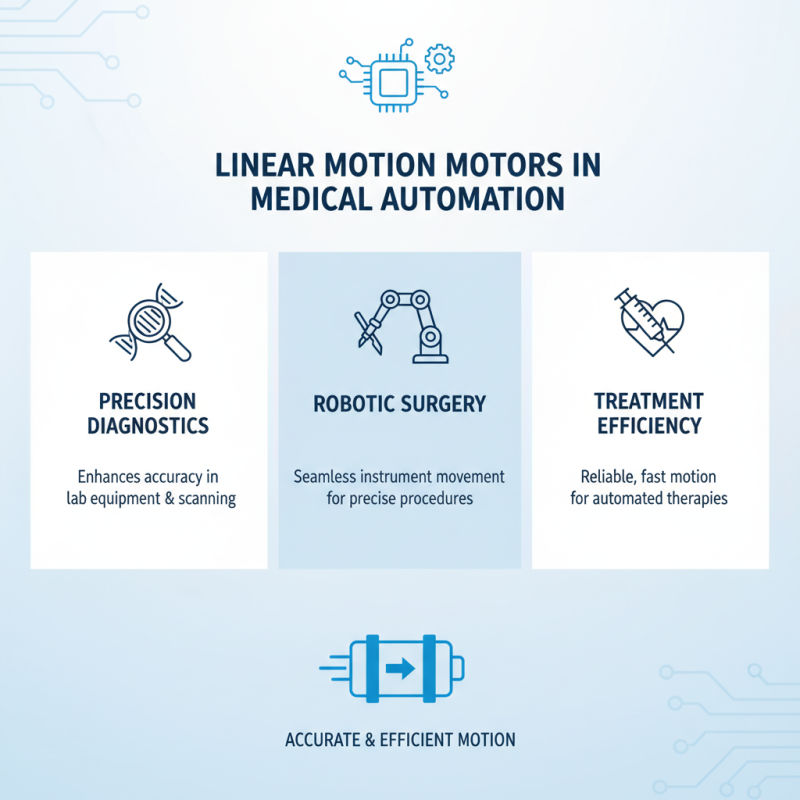
In the world of medical equipment and laboratory automation, linear motion motors are proving invaluable. They provide accurate and efficient movement in devices, enhancing precision in diagnostics and treatments. For instance, in robotic surgical systems, these motors allow for seamless entry and exit movements. This ensures that procedures can be performed with impressive accuracy.

When integrating linear motion motors, consider their potential limitations. Not all motors are suitable for every application. It's essential to assess the demands of specific tasks. This reflection can prevent unexpected failures or slowdowns.

Tips: Always measure space constraints. Compact environments may restrict motor choices. Investigate available options carefully. Always pilot test systems before full deployment. Even small miscalculations can lead to significant issues. Embrace the idea that there is always room for better solutions. Continuous learning can help refine these processes.

Role in Transportation Systems and Actuation

Linear motion motors play a crucial role in modern transportation systems. They drive high-speed trains along dedicated tracks. The ability to achieve rapid acceleration and deceleration is essential for efficient travel. These motors reduce reliance on traditional engines, which can be bulky and inefficient. In some applications, they provide smoother rides and reduce energy consumption.

Actuation is another significant application area for linear motion motors. They are often used in robotic arms for automation tasks. Many manufacturing systems rely on precise movements to maintain quality control. Linear motors can quickly reposition tools and parts, increasing production efficiency.

However, the calibration of these motors must be precise; otherwise, even small errors can lead to significant issues.

While the advantages are clear, challenges exist. Maintaining these systems can be costly. Power supply fluctuations can affect performance. Moreover, not all applications may benefit from this technology. Each system must be assessed individually. The exploration of linear motion motors continues to reveal both their potential and their limitations.

Innovations in Linear Motion Motors for Future Technologies

Linear motion motors are pivotal in shaping future technologies. They offer precision and efficiency in various applications, from automation to robotics. According to a recent market report, the global linear motion system market is projected to reach $8 billion by 2025. This growth showcases the increasing reliance on these motors in industrial applications.

Recent innovations focus on energy efficiency and compact design. Advanced materials enhance motor performance while reducing energy consumption. For instance, linear motors can be 30% more efficient than traditional systems. However, challenges remain. While many industries adopt these innovations, the integration process often lacks standardization. Feedback from engineers indicates inconsistent performance metrics can lead to hesitation in full adoption.

Moreover, the demand for customization poses another challenge. Industries often require tailored solutions, which can complicate production. Balancing customization with cost-effectiveness is a double-edged sword. As industries push for more precise technologies, manufacturers must address these evolving needs. As innovations continue, the potential for linear motion motors seems vast yet complex, presenting both opportunities and unforeseen hurdles.