Top 5 Tips for Choosing a Metal Laser Cutting Machine?
Choosing a metal laser cutting machine is a critical decision for businesses. The right machine impacts productivity, efficiency, and overall output quality. In an industry characterized by rapid technological advancements, staying informed is essential.
When selecting a metal laser cutting machine, consider your specific needs. What materials will you cut? What thicknesses are common in your projects? It's vital to match the machine's capabilities with your requirements. Additionally, analyzing the machine's speed and precision will help gauge its performance.
Each metal laser cutting machine comes with unique features. Evaluate those that best suit your operations. However, beware of overselling. Some features may not deliver real value for your work. Choosing wisely can save costs and improve production quality significantly. It's essential to reflect on both your immediate needs and future growth when making a selection.

Understanding the Different Types of Metal Laser Cutting Machines Available
When exploring the world of metal laser cutting machines, understanding the types is crucial. You typically encounter CO2, fiber, and solid-state lasers. Each type offers unique benefits based on material thickness and cutting speed.
CO2 lasers are great for cutting plastic and non-metal materials but can handle some metals as well. Fiber lasers excel in cutting stainless steel and aluminum, offering speed and precision.
When choosing a machine, consider the power output. Higher wattage means faster cutting speeds, but it may not always be necessary for thin materials. Additionally, look for features like adjustable focus and automation options. These can enhance your workflow and improve accuracy.
Don’t overlook the importance of safety features. Machines should have proper ventilation systems and safety interlocks. These are essential to protect operators and maintain a safe work environment. Understand how each type performs under different conditions; this reflection could guide you toward the best purchase for your needs.
Key Specifications to Consider When Selecting a Metal Laser Cutter
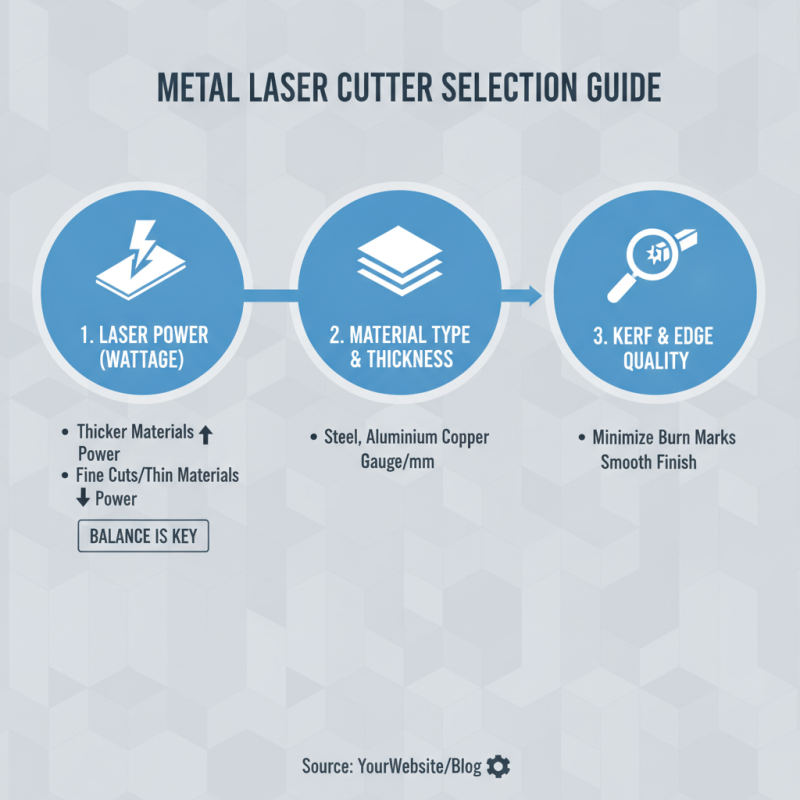
When selecting a metal laser cutting machine, key specifications play a crucial role. One significant factor is the laser power. Higher wattage allows for cutting thicker materials. Yet, too much power can lead to burn marks or excess kerf. You'll need to find the right balance for your specific applications.
Another vital specification is cutting speed. Faster speeds can enhance productivity, but they might compromise precision. Consider the materials you frequently work with. Different metals require unique settings for optimal results. Consistency in cutting edges is essential for quality production.
Furthermore, the type of laser technology is important. CO2 and fiber lasers serve different purposes. CO2 lasers are versatile, while fiber lasers excel with metals. Evaluate your needs carefully before making a decision. Additionally, ensure the machine has reliable support and maintenance options. An ideal machine should offer both quality cuts and dependable service.
Evaluating the Power Output and Efficiency of Laser Cutting Machines
When choosing a metal laser cutting machine, the power output is crucial.
A machine’s wattage directly affects its cutting speed and material thickness. Higher wattage often results in faster cuts and the ability to work with thicker materials. However, not all projects require maximum power.
Assess what materials you regularly cut. For thin metals, a lower wattage might suffice, while thicker materials need more power to achieve clean cuts.
Efficiency is another vital factor in evaluating laser cutting machines. A machine that uses power effectively can save costs in the long run.
Look for features like advanced optics and cooling systems that enhance output efficiency. Inefficient machines may lead to wasted time and resources.
Reflect on your typical operating conditions. Sometimes, the most powerful machine isn’t the best fit if it’s not energy efficient.
Consider the balance between power and efficiency carefully. Choosing the wrong machine can hurt productivity. Wasted energy and slow cutting can become a burden.
Analyzing these aspects beforehand, you’ll make a more informed decision.
Emphasize your specific needs to avoid common pitfalls.
Assessing Cost-Effectiveness with a Focus on Long-Term ROI
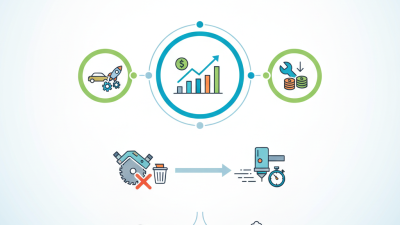
Choosing a metal laser cutting machine involves more than looking at the initial price. Long-term return on investment (ROI) is a critical factor. Consider factors like maintenance, operating costs, and energy consumption when making your choice. For example, a machine with a higher upfront cost might offer superior performance and lower upkeep over time.
Evaluate the features that contribute to efficiency. A machine's speed and precision impact production rates and waste levels. If a unit can cut faster with less material loss, it ultimately saves money. Explore the technology behind the laser source. Different technologies affect power usage and longevity. All these aspects accumulate, influencing your overall investment.
Don’t overlook potential hidden costs. Training staff on new machinery can incur significant expenses. Check if the machine's age affects its resale value. Think about upgrades or additional attachments you may need later. These factors can muddy your estimates. Strive to create a comprehensive cost picture before finalizing your decision.
Top 5 Tips for Choosing a Metal Laser Cutting Machine
| Criteria |
Description |
Cost-Effectiveness Rating (1-10) |
Long-Term ROI Potential (%) |
| Initial Investment |
Consider the upfront cost of the machine and additional setup expenses. |
7 |
20% |
| Operating Costs |
Evaluate energy consumption, maintenance, and other recurring costs. |
8 |
25% |
| Material Compatibility |
Ensure the machine supports the types of metal you will be cutting. |
9 |
30% |
| Precision and Speed |
Assess the accuracy and cutting speed relevant to your projects. |
8 |
28% |
| Support and Warranty |
Review after-sale support and warranty for long-term reliability. |
9 |
15% |
Importance of After-Sales Support and Maintenance in Laser Cutting Machines
When selecting a metal laser cutting machine,
after-sales support and maintenance are crucial factors.
A good machine is only as reliable as the support you receive after the purchase.
Manufacturers that offer comprehensive training and
responsive customer service can significantly enhance your experience.
Proper guidance can help operators understand the machine's capabilities and limitations.
If issues arise, quick responses from the support team can minimize downtime.
Regular maintenance should never be overlooked. Consistent upkeep prolongs the lifespan of the machine.
It can be easy to ignore routine checks, but these practices can prevent costly repairs.
Many users find themselves in a reactive mode. A broken machine halts production,
leading to delays and frustration. Users often wish they had prioritized maintenance earlier.
Engaging with the right service providers ensures your equipment remains in top condition.
Don’t just look at the initial purchase;
focus on the long-term relationship with your supplier.