Minimal Space. Maximum Impact! Designed for when every millimeter matters> the new IRONLESS UNANO SERIES
Semiconductors
Increase throughput and precision of your system
Display
Enhance accuracy and precision with linear motors
Science and aerospace
Improve motion quality for a variety of applications
Machine tooling
Robust solutions for increased speed and precision
Digital cutting
Create modular and high throughput applications
Printing
Increase printing speed and quality using linear motors
Robotics
Integrate compact solutions for guaranteed uptime and high dynamics
Life science
Establish precise and clean integrated solutions
Woodworking
Maximize performance and accuracy for high throughput
Stages and system solutions
Compact integration and high performance for your axis
Vacuum applications
Best performance for clean and vacuum applications
Characteristics
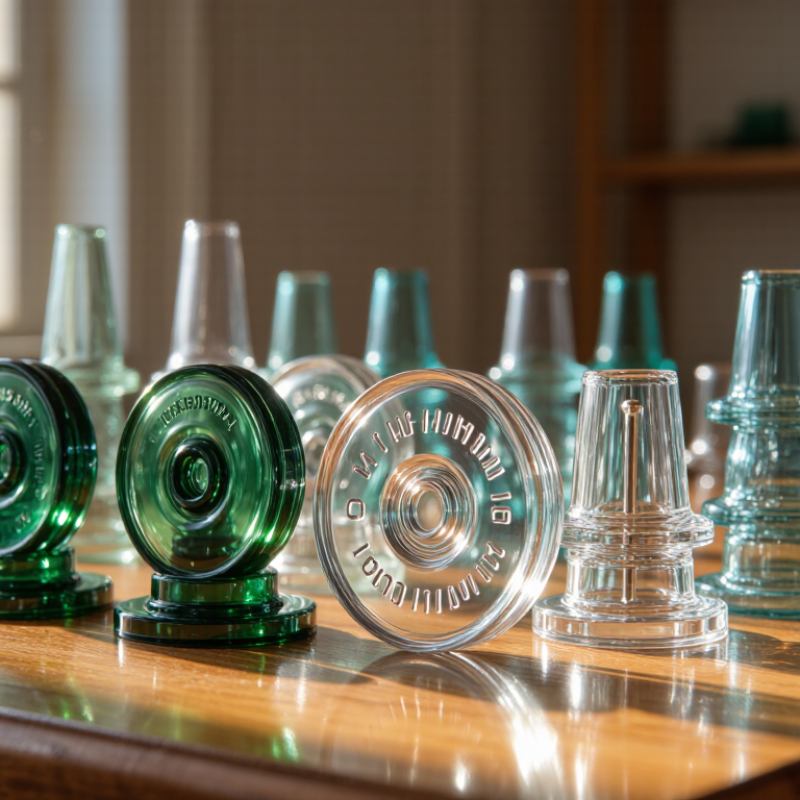
Buying a Disc Glass Insulator can seem straightforward: choose an attractive piece, check the price, and make the purchase. Yet small details can change its value and condition. A hairline crack near the pinhole, a rough chip along the rim, or cloudy glass may be easy to miss in a quick photo. Details matter.
This guide introduces seven practical tips for choosing with care. It explains how to compare styles, colors, markings, and condition, while looking closely at photos and asking sellers clear questions. Measurements can help confirm that an insulator suits your collection or display. So can checking whether its shape and embossing match the description. Not every mark signals damage, and not every bright color proves rarity. Context matters.
Price deserves careful thought, too. Compare similar pieces, but consider condition, provenance, and the quality of the listing rather than relying on one asking price. Ask how the item will be packed; thick glass can still chip during shipping. Keep records of descriptions and photographs, especially when details are uncertain. Even careful buyers can overlook something. I would pause before assuming a flaw is harmless or a seller’s description is complete. A thoughtful purchase may take longer, but it can prevent disappointment and make the insulator’s history easier to appreciate.
Disc glass insulators are commonly assembled into suspension strings on overhead power lines. Each unit has a glass disc, metal cap, and pin. Several connected units provide the insulation and mechanical support required for a specific line design. The number of discs depends on factors such as operating voltage, pollution, and local engineering requirements. More is not automatically better.
Tip: Identify the intended use before comparing products. Standard profiles may suit cleaner environments, while designs with longer creepage paths can help where dust, salt, or moisture collects. Check the specified dimensions, mechanical rating, and fitting compatibility against the project documents. A mismatch can create installation problems, even when the disc looks right.
Inspect each unit closely. Look for cracks, chips, uneven glass, and loose or corroded metal fittings. Toughened glass often breaks visibly after damage, but a visual check alone cannot confirm every performance requirement. Ask for traceable test documentation and confirm the applicable technical specification. Small details matter. I would also question vague listings that omit load ratings or dimensions; that extra pause may save a costly replacement later.
Tip: Examine the glass in daylight, then rotate the disc slowly. Look for hairline cracks, edge chips, cloudy patches, and deep scratches near the pin. A small surface mark may be harmless, but a crack is not. Dirt can hide damage, so ask for clear close-up photos before buying. IEC 60305:1995 tabulates dimensions and mechanical failing-load classes for cap-and-pin glass insulators. Compare the listing with the correct unit type; similar-looking discs can have different specifications.
Tip: Check the metal cap and pin for rust, bending, looseness, or missing cement. Look closely where metal meets glass. Gaps, movement, or heavy corrosion can signal poor condition. Ask whether the hardware is original or replaced. I would not assume a clean-looking cap means the assembly is sound.
Assess the whole disc, not just its color or shine. Uneven wear, mismatched hardware, and repaired areas matter. Request photos from several angles and a view of the marking, if present. For use in electrical service, have a qualified professional assess the unit; appearance alone cannot confirm performance. Older pieces are imperfect. That is worth remembering.
Treat an embossed mark as evidence, not a verdict. Photograph it in angled light, then compare its lettering, placement, and mold number with dated catalogs or utility records. A patent date can indicate when a design was protected, not when that individual insulator was made. Small clues matter. Look for crisp versus softened embossing, mold seams, bubbles, and wear around the pin hole. Consistent details are more persuasive than one convincing mark.
The U.S. Geological Survey’s 2024 Mineral Commodity Summaries estimated U.S. industrial sand and gravel output at about 120 million tons in 2023. That figure covers many uses, not insulators specifically, but it shows why glass composition alone cannot establish age or authenticity. Compare color and shape with documented examples from the same style and period; inspect for modern-looking uniformity, fresh edges, or marks that sit oddly in the glass. Wear can be genuine, but dirt and chips can also mislead. Not proof. I still find surface wear easy to overread, so record what you see and keep uncertain conclusions uncertain.
Compare prices for disc glass insulators with similar size, color, embossing, and condition. A low price may reflect chips, cloudy glass, or a repaired suspension point. Ask for clear photos of the rim, pin area, and both sides. Details matter. Check whether the listing describes flaws plainly, not just “good condition.” Recent sales can offer a more useful benchmark than optimistic asking prices.
Tip: Request the total cost, including packing and shipping, before comparing offers. Heavy glass needs careful cushioning; a bargain can lose its appeal if it arrives cracked. Ask how the seller packs fragile pieces and whether they accept returns for damage or a description mismatch. Get the answer in writing. It feels fussy, but it can prevent confusion later.
Evaluate the seller as carefully as the insulator. Look for consistent descriptions, dated photographs, and a record of handling fragile collectibles. Ask about known provenance when available, but treat undocumented stories as claims, not proof. A seller who welcomes specific questions is often easier to work with. I would still avoid assuming that polished photos tell the whole story. Compare the item’s details with the seller’s written condition notes before paying.
| Tip | What to Compare | How to Check | Price Considerations | Seller Evaluation |
|---|---|---|---|---|
| 1. Define the application | Confirm whether the insulator is for an operating overhead line, a replacement, or display and collection. | For electrical use, match the required voltage class, mechanical load, creepage distance, dimensions, and connection hardware to the project specification. | Compare only products with compatible specifications. A lower-priced unit is not a like-for-like alternative if its ratings or dimensions differ. | Ask for a datasheet and clear identification of the intended product. Treat decorative or collectible items as unsuitable for energized service unless properly specified and approved. |
| 2. Compare equivalent specifications | Review rated mechanical failing load, dimensions, creepage distance, glass type, and coupling details. | Check the seller’s datasheet or drawing against the project requirements. Confirm whether the quoted values apply to one disc or to a complete string. | Request itemized quotations based on the same specification, quantity, and delivery terms before comparing unit prices. | Prefer sellers who answer technical questions with documentation rather than relying only on general descriptions or photographs. |
| 3. Assess condition carefully | For used or vintage units, compare cracks, chips, surface damage, corrosion, and completeness of attached hardware. | Request recent, well-lit photographs of the entire unit and close-ups of the glass, cap, pin, and connection area. Ask the seller to disclose known defects. | Account for inspection, sorting, cleaning, and possible rejection costs when comparing used units with new stock. | Be cautious if the seller will not provide current photos, describe defects, or clarify whether images show the actual items for sale. |
| 4. Compare the full delivered cost | Include unit price, packaging, freight, insurance, duties, taxes, and any handling charges. | Ask for a written quotation showing the quantity, currency, delivery location, shipping method, and quoted validity period. | Calculate the total landed cost per acceptable unit, not just the advertised price. Heavy or fragile shipments may need special packing and freight arrangements. | Check that payment and delivery terms are stated clearly and that any extra charges are disclosed before ordering. |
| 5. Verify quality and documentation | Compare inspection records, test documentation, traceability, and conformity documents where they are required for the application. | Ask which tests and acceptance criteria apply to the specific product and request relevant records for the supplied lot. | Consider the cost of independent inspection or testing when documentation is incomplete or the purchase is for a critical installation. | Check that documents identify the product and lot being supplied. Do not assume a generic certificate applies to every unit or shipment. |
| 6. Review delivery and breakage terms | Compare lead time, packaging method, shipment tracking, insurance, and the process for reporting transit damage. | Confirm how glass units are separated and protected in transit, when risk transfers, and what evidence is needed for a damage claim. | Include protective packaging and insurance in the comparison. A low freight quote may not cover the same service or risk. | Look for written procedures covering shortages, breakage, returns, and replacement shipments before placing the order. |
| 7. Check seller reliability | Consider relevant product experience, communication, references, transaction history, and clarity of business terms. | Ask for references or examples of comparable supply, and verify contact details and the legal seller information available in the quotation. | Weigh the price against the risk of specification errors, delays, damaged goods, or limited after-sales support. | Use a written purchase order with the exact specification, quantity, inspection requirements, delivery terms, and remedies for nonconforming goods. |

Tip: Prepare each disc insulator for its own journey. Wrap it in soft, non-abrasive material, then place it in a snug inner box with cushioning around every edge. Keep glass pieces from touching; even small shifts can cause chips. Add padding beneath and above each disc, but avoid compressing the contents. A second outer box offers extra protection. Small gaps matter.
Tip: Handle insulators with clean, dry hands and lift them from the body, not by any attached metal parts. Set each piece down gently on a padded surface. Before packing, check for hairline cracks or existing chips, especially near the rim. Take clear photos of fragile or unusual pieces. Do not assume thick glass is unbreakable.
Tip: Store packed insulators somewhere dry, stable, and away from direct heat or sudden temperature changes. Keep boxes off damp floors and avoid placing heavy items on top. Marking a box as fragile can help, but careful packing matters more. I would still recheck the padding after a long trip; it can settle more than expected. No shortcuts here.