Smart Warehouse Logistics Tips to Boost Efficiency and Save Costs?
In today's fast-paced supply chain environment, "Smart Warehouse Logistics" has become essential for businesses seeking efficiency. Warehouses are at the heart of logistics operations. By adopting smart technologies, companies can optimize processes and reduce costs. Automation, real-time tracking, and data analytics are game changers.
However, not every implementation is flawless. Many companies face challenges in integrating technology with existing systems. Without proper training, staff may struggle with new tools. This can lead to delays and increased errors, affecting overall performance. Identifying the right balance between human oversight and automation is critical.
Moreover, leveraging data isn't just about collecting numbers. It's about turning insights into actionable strategies. Organizations often overlook the value of regular reviews. Small, continuous improvements can yield significant results. A smart warehouse is not only about cutting-edge technology but also adapting to feedback and evolving needs. Embracing this mindset can lead to smarter operations and ultimately save costs.
Strategies for Implementing Smart Warehouse Technologies
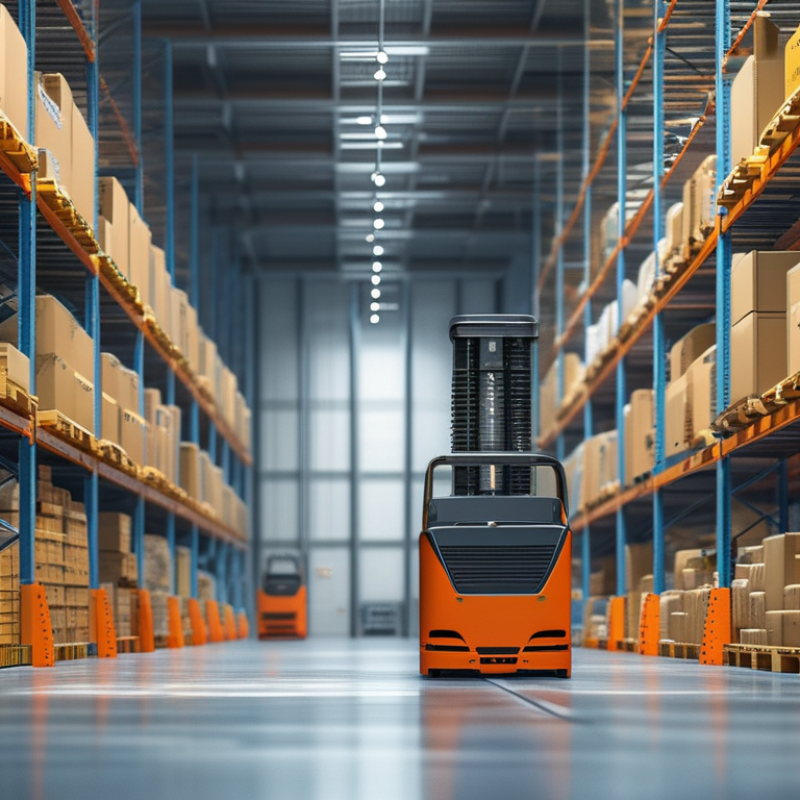
Implementing smart warehouse technologies can greatly improve efficiency. With the right tools, operations become streamlined. Automation is key in this transformation. Robotics and AI can assist in inventory management. This reduces human errors and speeds up processes. Employing automated guided vehicles (AGVs) can optimize picking tasks. They navigate quickly, saving time and labor costs.
Data analytics plays a vital role in modern warehouses. Analyzing data helps in understanding patterns. This can lead to better inventory control. Seasonal demand can be forecasted more accurately. Yet, integrating these technologies requires careful planning. Staff may need training on new systems. Resistance to change can hinder progress. Continuous assessment and adaptation are essential for success.
Maintaining a balance between automation and human oversight is crucial. While technology enhances productivity, the human touch is irreplaceable. Ensuring seamless collaboration between tech and staff is vital. Regularly review practices to identify inefficiencies. Remember, the goal is to foster an environment that embraces innovation while remaining adaptable.
Optimizing Inventory Management with Automation Tools
In today's fast-paced logistics landscape, inventory management plays a crucial role in efficiency. Automation tools can significantly improve operations. They streamline processes, reduce human errors, and enhance overall accuracy. For example, automated inventory tracking minimizes stock discrepancies. When products are scanned in real-time, businesses can see exact quantities at any moment.
Implementing these tools requires thoughtful planning. Not every automation solution fits every warehouse. Assessing specific needs is essential. For instance, small warehouses may need different tools compared to larger facilities. Sometimes, the initial cost can be daunting. However, the long-term savings could outweigh these concerns.
Employees must also adapt to new technologies. Training is key to successful integration. Resistance to change can hinder progress. Regular assessments ensure that the automation tools are serving their intended purpose. This reflection can highlight areas needing improvement. Optimizing inventory management with automation is not just about technology; it’s also about people and processes working together effectively.
Smart Warehouse Inventory Management Efficiency
This chart illustrates the inventory turnover ratio over four quarters. A higher ratio indicates better efficiency in inventory management, highlighting the effectiveness of automation tools in optimizing warehouse logistics.
Leveraging Data Analytics for Enhanced Warehouse Operations
In today’s fast-paced logistics landscape, leveraging data analytics is crucial for enhanced warehouse operations. Studies suggest that implementing data-driven strategies can increase operational efficiency by up to 30%. This optimization leads to significant cost savings and better resource management. Smart warehouses can use analytics to predict inventory needs, reducing excess stock and spoilage. The insights gathered from data not only streamline processes but also illuminate areas for improvement.
One effective tip is to utilize real-time data tracking. It helps you monitor product movement and identify bottlenecks in the supply chain promptly. This immediate feedback ensures that corrective actions can be made swiftly. Another critical approach is predictive analytics. By analyzing historical data, warehouses can forecast demand patterns. This foresight allows for smarter procurement and staffing decisions, which can significantly reduce overhead costs.
However, relying solely on data can have drawbacks. Data interpretation can lead to misinformed decisions without proper analysis. Also, over-reliance on technology may overlook human factors critical for operations. Balancing data insights with experienced judgment is essential. Warehouse managers must remain vigilant and regularly assess both data findings and on-the-ground realities to ensure optimum efficiency.
Best Practices for Streamlining Warehouse Layout and Design
Designing an efficient warehouse layout is crucial for boosting productivity. According to a report by the Warehousing Education and Research Council, optimizing layout can reduce operational costs by up to 30%. To achieve this, consider the product flow. Place high-demand items closer to packing areas. This reduces travel time and enhances overall efficiency.
It's vital to adopt a flexible design. As inventory levels change, customization is key. A static layout may lead to bottlenecks, requiring constant reassessment. Using modular shelving can promote adaptability. Data suggests that warehouses using movable shelving can see a 25% increase in space utilization.
Regular audits of warehouse space are essential. Evaluate areas that experience congestion or underutilization. Engaging employees in the design process often reveals insights that data alone cannot provide. Their daily interactions with the space can unveil notable inefficiencies. Balancing innovation with the realities of warehouse operations is crucial for any successful strategy.
Cost-Saving Techniques in Smart Warehouse Systems
Smart warehouse systems are transforming logistics, focusing on cost-saving techniques that enhance efficiency. Research indicates that automation can reduce labor costs by up to 30%. This is crucial in an industry where margins are narrow. Implementing smart technologies, like automated guided vehicles (AGVs) and Internet of Things (IoT) sensors, enhances inventory tracking and reduces waste.
An effective strategy is to analyze your warehouse layout. Optimize the flow of goods to reduce movement time and improve picking efficiency. Studies show that warehouses can improve productivity by 25% with better organization. Regularly assess your inventory management. Accurate stock levels prevent overstocking, which ties up capital unnecessarily.
Consider using predictive analytics to forecast demand. This can lead to smarter purchasing decisions and minimize excess inventory. While these systems require upfront investment, they can yield significant long-term savings. Remember, not every solution fits every warehouse. Experiment with various technologies and approaches to find what truly enhances your operation.