What is a small laser cutter and how can it benefit businesses?
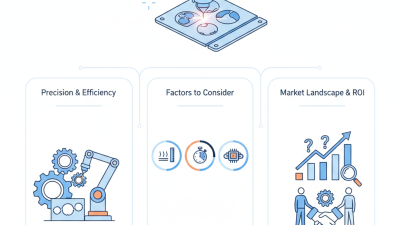
In recent years, the small laser cutter has gained popularity among businesses. These devices offer precision and efficiency for various applications, from crafting to manufacturing. Businesses are discovering the many advantages of integrating a small laser cutter into their operations.
A small laser cutter allows for detailed engraving and intricate designs. This capability is invaluable for small businesses looking to differentiate their products. However, the initial investment can pose a challenge. Not every business may understand the full potential or the learning curve involved. They may need time to adapt to the technology and optimize their processes.
Beyond the upfront cost, the long-term benefits of a small laser cutter can outweigh the challenges. Quick prototyping and customization options can lead to increased customer satisfaction. As companies navigate their unique needs, the small laser cutter can serve as a powerful tool for growth. With appropriate training and experimentation, businesses can harness its full potential.
What is a Small Laser Cutter?
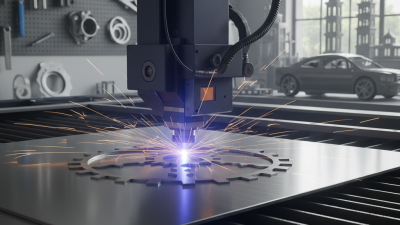
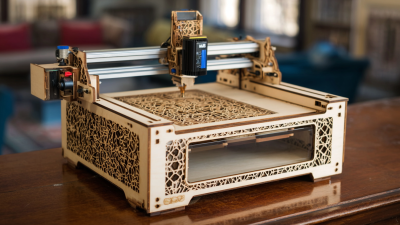
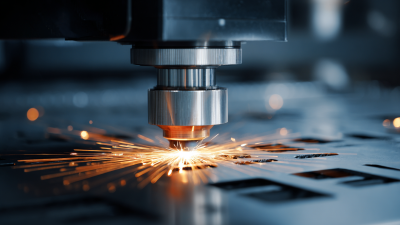
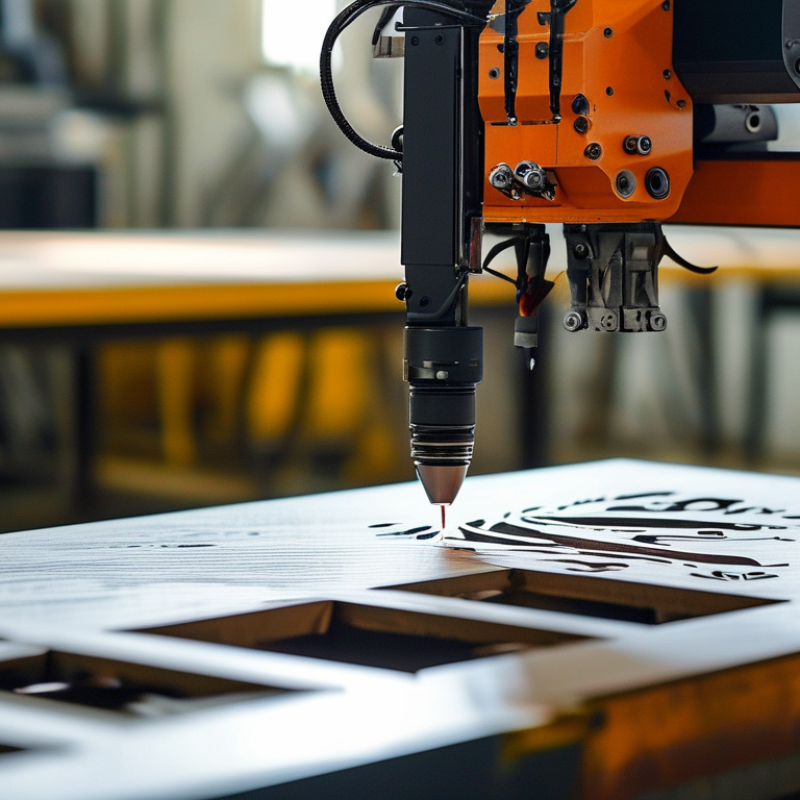
A small laser cutter is a versatile tool used for precise cutting and engraving. It utilizes a focused beam of light to melt, burn, or vaporize material, allowing for intricate designs on various surfaces. The growth of the laser cutting market is noteworthy, with a report indicating a projected compound annual growth rate (CAGR) of 5.8% from 2021 to 2026. This growth highlights the increasing adoption of laser technology in small businesses.
Many industries benefit from small laser cutters. They are commonly used in crafts, personalized gifts, and even signage. With the ability to work with wood, acrylic, fabric, and more, these devices open doors for creativity. Reports suggest that 84% of small businesses using laser cutters experience enhanced production efficiency. However, there are challenges. Initial setup costs can be high, and operators must undergo training to minimize errors.
In addition, maintaining quality is crucial for success. Precision can vary depending on material type and cutter settings. Regular maintenance ensures optimal performance. Businesses should also consider their specific needs before investing. Assessing production volume and design complexity can lead to better decision-making. With the right approach, a small laser cutter can be a valuable asset.
Key Features of Small Laser Cutters
Small laser cutters are versatile tools that can enhance business operations significantly. These machines are designed to cut and engrave a variety of materials, including wood, acrylic, and fabric. Their precision allows for intricate designs, making them perfect for custom projects. Many small laser cutters also feature user-friendly interfaces, which streamline the design process. This makes them accessible for beginners and experts alike.
The key features of small laser cutters include adjustable power settings and bed sizes. Users can customize the cutting depth for different materials. This flexibility is crucial for businesses that work with diverse design projects. Additionally, compact designs save valuable workspace. Some models even include automatic cooling systems to prevent overheating, ensuring consistent performance. The ability to create prototypes quickly can also drive innovation within companies.
While small laser cutters offer many advantages, they require training to optimize use. Misunderstanding settings can lead to wasted materials. Regular maintenance is essential for longevity; neglecting this can cause performance issues. Investing time in learning these machines is vital for maximizing their potential in any business setting.
Advantages of Using Small Laser Cutters for Businesses
Small laser cutters are revolutionizing the way businesses operate. These machines are compact yet powerful, making them accessible for various industries. They offer precise cutting and engraving capabilities, which can enhance product design and personalization. This level of accuracy allows businesses to create unique items, setting them apart from competitors.
One significant advantage of using small laser cutters is their efficiency. They can cut through materials like wood, acrylic, and fabric quickly. This speed leads to faster production times, which is crucial for meeting customer demands. Additionally, laser cutting minimizes material waste, making it a cost-effective option. Businesses are not only saving money but also contributing to sustainability efforts.
However, it's essential to consider the learning curve associated with these machines. Proper training is necessary to maximize their potential. Businesses may initially struggle with design software or machine operation. Embracing this challenge can lead to improved skills and better end products. Overcoming these obstacles can ultimately result in increased creativity and innovation within the company.
Benefits of Using Small Laser Cutters for Businesses
Popular Applications of Small Laser Cutters in Industries
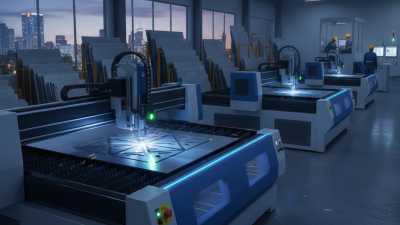
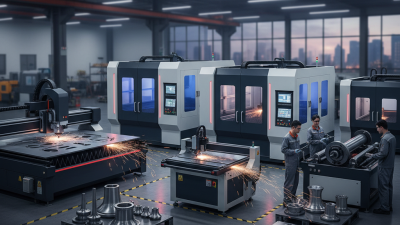
Small laser cutters have gained traction across various industries due to their versatility and precision. In manufacturing, these devices enable intricate designs on materials like wood, acrylic, and metals. Reports highlight that the global laser cutting market is set to grow significantly, projected to reach $7 billion by 2026. Businesses recognize that these machines streamline production processes and reduce material waste.
In the fashion and textile industry, small laser cutters are invaluable. They allow for easy customization and rapid prototyping. Designers can create unique patterns quickly, reducing lead times. The ability to adapt designs easily supports a fast-paced market. However, some businesses struggle to integrate this technology effectively, leading to operational hiccups.
In education and crafting, small laser cutters empower creativity. Schools and makerspaces use them for hands-on projects. They encourage learning through experimentation. Yet, accessibility remains a concern, as not all institutions can afford such technology. Balancing cost with the potential for innovation requires careful consideration. This dynamic reflects ongoing challenges within the industry.
Cost-Effectiveness and ROI of Small Laser Cutters for Enterprises
Small laser cutters have become essential tools for many businesses. These machines offer precision and versatility. They can cut, engrave, and mark various materials like wood, acrylic, and metal. Companies can create customized products quickly.
Moreover, small laser cutters require less space, making them ideal for small enterprises.
Cost-effectiveness is a significant advantage. Initial investment costs for small laser cutters are lower than larger industrial models. Businesses can achieve a quick return on investment (ROI) through efficient production. These machines reduce labor costs by automating tasks. Employees can focus on more creative work instead of repetitive cutting tasks.
However, not all businesses may see immediate benefits. Maintenance is crucial for optimal performance. Skilled operators are necessary to maximize the machine's capabilities. Without proper training, mistakes can happen, leading to wasted materials. Investing in staff training is just as important as purchasing the equipment. Companies must also evaluate their specific needs before diving in. Inadequate research can lead to unforeseen expenses.