Minimal Space. Maximum Impact! Designed for when every millimeter matters> the new IRONLESS UNANO SERIES
Semiconductors
Increase throughput and precision of your system
Display
Enhance accuracy and precision with linear motors
Science and aerospace
Improve motion quality for a variety of applications
Machine tooling
Robust solutions for increased speed and precision
Digital cutting
Create modular and high throughput applications
Printing
Increase printing speed and quality using linear motors
Robotics
Integrate compact solutions for guaranteed uptime and high dynamics
Life science
Establish precise and clean integrated solutions
Woodworking
Maximize performance and accuracy for high throughput
Stages and system solutions
Compact integration and high performance for your axis
Vacuum applications
Best performance for clean and vacuum applications
Characteristics
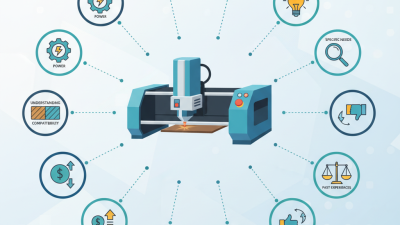
A laser cutter is a remarkable tool. It uses focused light to cut or engrave materials. This technology has transformed various industries, including manufacturing and art.
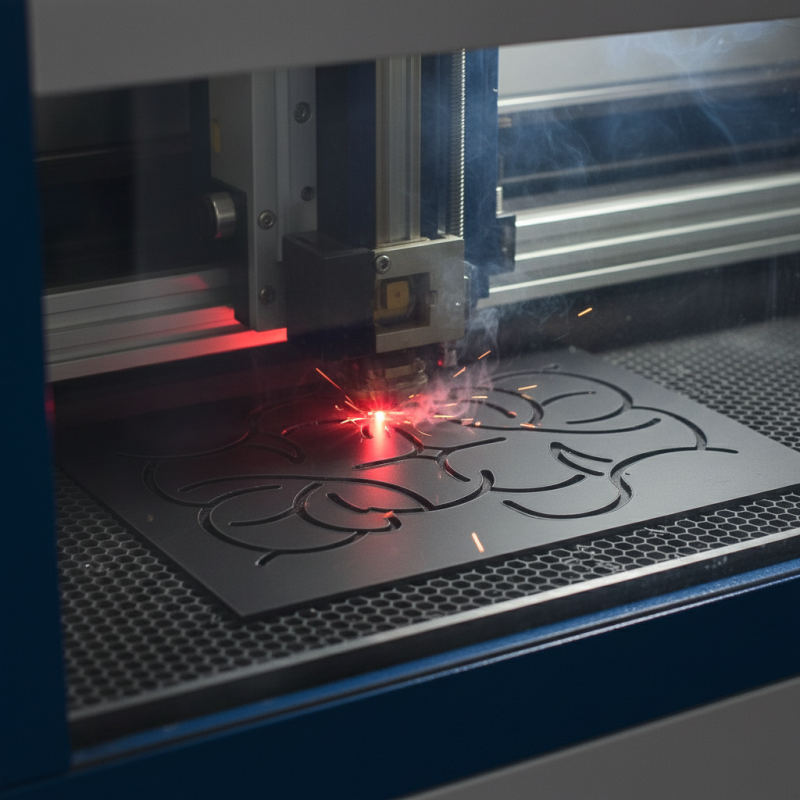
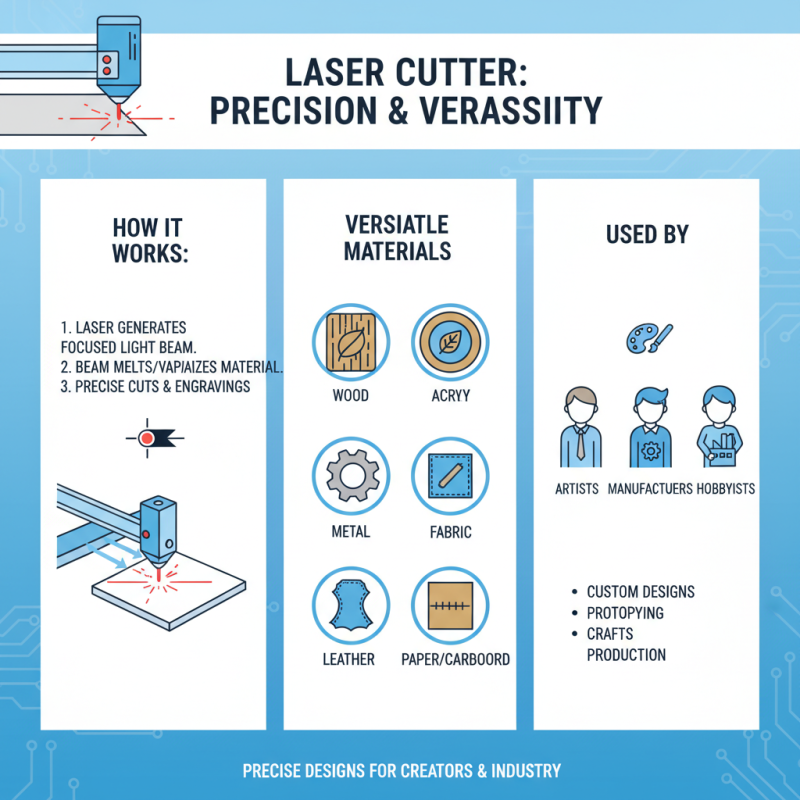
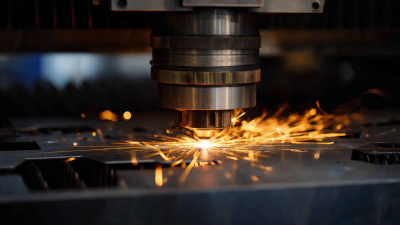
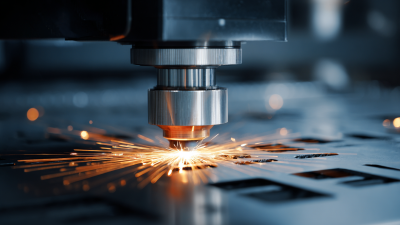
In a laser cutter, a high-powered laser beam is directed onto a material. The intense heat from the laser melts or vaporizes the material. This process allows for intricate designs and precise cuts. Users can create complex shapes that would be hard to achieve otherwise.
Despite its effectiveness, a laser cutter has limitations. Not all materials are suitable for cutting. Some can produce harmful fumes. Users need to exercise caution and follow safety guidelines. Understanding both the capabilities and constraints of a laser cutter is crucial.
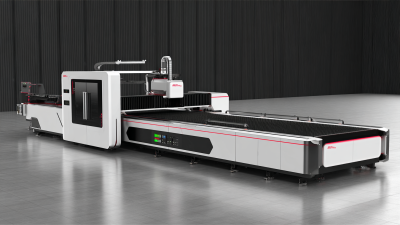
A laser cutter is a powerful tool used for cutting and engraving a variety of materials. It employs a focused beam of light, which is generated by a laser. This beam melts or vaporizes the material in its path. Laser cutters are versatile and can work with wood, acrylic, metal, fabric, and more. Artists, manufacturers, and hobbyists frequently use them for precise designs.
When working with a laser cutter, it's essential to understand its capabilities and limitations. The intensity of the laser, the material type, and the thickness all play significant roles. For example, cutting thick metal requires a stronger and more powerful laser. However, using too much power can lead to burn marks or warped materials. Precision is crucial. Small adjustments can lead to significant variations in the final product.
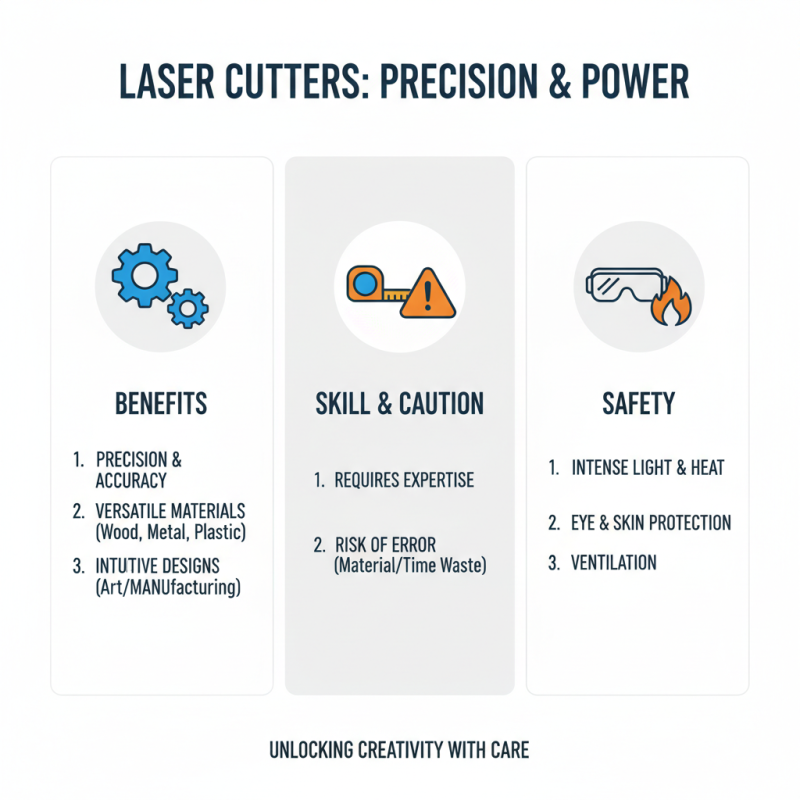
Safety is also a significant concern. While the machine can create stunning designs, it poses risks if not used properly. Proper ventilation is vital, as many materials release harmful fumes when cut. Users should wear protective glasses to shield their eyes from the intense light. Mistakes can lead to accidents. Careful operation and awareness are necessary to ensure a safe and productive experience.

Laser cutting technology has a fascinating history that dates back to the early 1960s. The concept emerged as scientists explored ways to harness the power of lasers for various applications. Initial experiments focused on simple materials. It wasn't until the late 1970s that laser cutting found its place in industrial settings. Companies began to realize its potential. This marked a pivotal shift from traditional cutting methods.
The evolution of laser cutters continued into the 1980s and 1990s. Manufacturers improved the precision and efficiency of the machines. New designs emerged that enabled cutting through thicker materials, expanding possibilities. However, there were challenges. Operators needed training to handle the advanced technology. Mistakes could lead to errors and wasted materials.
The 21st century brought further advancements, such as computer numerical control (CNC). This made operating laser cutters more intuitive. Users could create complex designs with ease. Yet, not all machines adapted well to every task. Some processes still required manual adjustments and keen attention. The journey of laser cutting continues to reveal both opportunities and hurdles worth reflecting upon.
Laser cutters operate on a fascinating principle: focused light energy. They utilize a laser beam to cut, engrave, or etch materials. The process involves directing the beam through a series of mirrors and lenses, focusing it on a specific spot. This concentrated energy produces heat, melting or vaporizing the material beneath.
In 2020, the global laser cutting market was valued at approximately $4.4 billion and is projected to grow significantly by 2027. This growth highlights the increasing adoption of laser cutting technology across various industries, such as manufacturing and aerospace. As laser technology advances, cutting speeds and precision improve, leading to less waste and increased efficiency.
Despite its benefits, laser cutting is not perfect. The process can create heat-affected zones, impacting material integrity. Also, certain materials can release harmful fumes when cut. Safety precautions are necessary when using these machines. It's essential for operators to be aware of these potential issues. The balance between innovation and caution continues to shape the future of laser cutting technology.
Laser cutting technology has transformed various industries, offering precise and efficient material processing. The automotive sector, for instance, utilizes laser cutting for creating intricate parts with high accuracy. According to a recent industry report, the global laser cutting market reached USD 4.5 billion in 2022 and is expected to grow at a CAGR of 5.4% through 2030. This growth signifies the increasing reliance on laser technology for manufacturing lightweight and complex components.
In the fashion industry, laser cutting is used to create intricate designs on fabrics. It enhances creativity while reducing waste material. A study found that laser cutters can reduce fabric waste by up to 60% compared to traditional cutting methods. This efficiency not only benefits the environment but also helps in cost savings for manufacturers.
Tips: Always ensure proper maintenance of laser cutting machines. This keeps them running efficiently and extends their lifespan. Also, consider testing a small batch before full production to avoid costly mistakes. Using laser cutters can be impressive, but precision and careful planning are essential.
| Industry | Common Applications | Materials Used | Benefits |
|---|---|---|---|
| Manufacturing | Cutting metal parts, engraving | Steel, aluminum, brass | High precision, speed, and flexibility |
| Fashion | Cutting fabrics and leather | Cotton, silk, leather | Complex designs, minimal fabric wastage |
| Signage | Creating custom signs and displays | Acrylic, wood, metal | High-quality finishes, colorful designs |
| Woodworking | Engraving and cutting wooden products | Plywood, MDF, hardwood | Fine details, fast production times |
| Electronics | Engraving circuit boards | FR4, polyimide | Precision and reproducibility |
Laser cutters are incredible tools that offer various benefits. They provide precision and accuracy in cutting materials like wood, metal, and plastic. Their ability to create intricate designs makes them ideal for artists and manufacturers alike. However, operating a laser cutter requires a certain level of skill. Miscalculations can lead to wasted materials and time. It's vital to take safety precautions, as the intense light and heat can pose real dangers.
Despite their advantages, there are limitations to consider. Laser cutters might struggle with thick materials. This can restrict design possibilities for some projects. The initial cost of equipment and maintenance can also be high. Users need to weigh these factors carefully. Overlooking proper training and process planning can result in subpar outcomes. The technology is not infallible, and mistakes can be costly. A thoughtful approach to using laser cutters can lead to impressive results, but it requires awareness and preparation.