5 Essential Tips for Choosing a Capsule and Tablet Metal Detector?
When selecting a Capsule and Tablet Metal Detector, understanding its importance is crucial. These detectors play a vital role in maintaining safety in various industries. They are essential in pharmaceuticals, ensuring that products are free from harmful contaminants. A reliable detector can help prevent costly recalls and protect consumer health.
Choosing the right device involves careful consideration. It's not only about the brand or price; reliability and features matter significantly. Different models offer various levels of sensitivity and detection capabilities. You must balance these features with your specific needs. An inadequate choice could lead to overlooked contaminants.
Investing time in research can yield impressive results. Look for detectors that meet industry standards and have positive reviews. Consulting experts and reading user experiences can provide valuable insights. Remember, not all detectors are created equal. The right Capsule and Tablet Metal Detector should enhance safety and compliance in your operation.
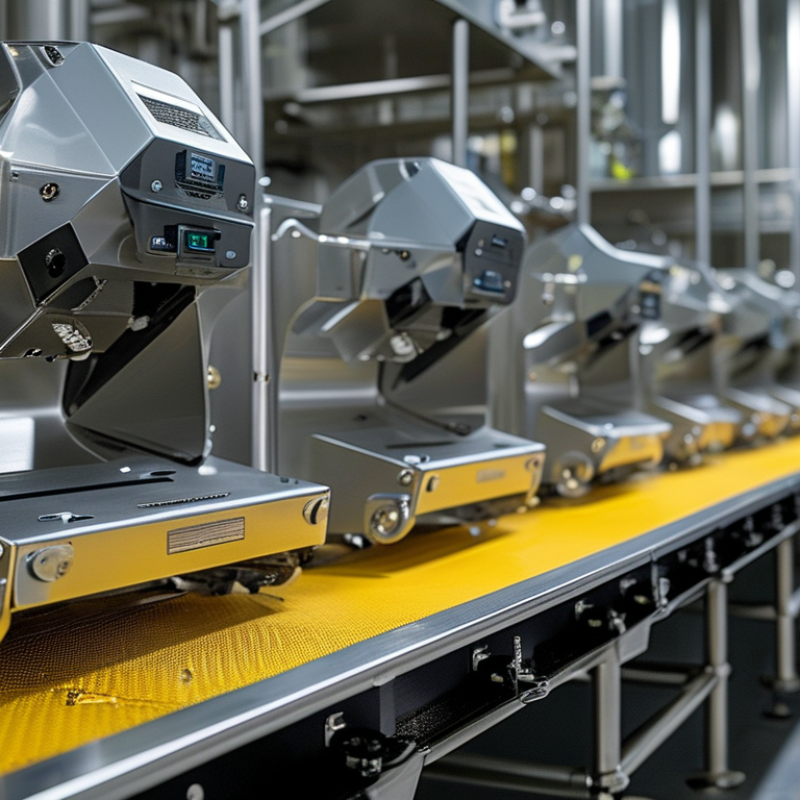
Understanding the Basics of Capsule and Tablet Metal Detectors
Capsule and tablet metal detectors play a crucial role in ensuring product safety and compliance in manufacturing. Understanding their basic functions enhances your ability to select the right device. These detectors use advanced technology, often employing electromagnetic fields to identify metallic contaminants. Reports indicate that over 90% of recalls in the pharmaceutical industry are due to contamination, underlining the need for reliable detection systems.
Selecting a detector involves considering sensitivity levels and the range of detectable metals. Many devices can distinguish between ferrous, non-ferrous, and stainless steel contaminants. The performance can vary, sometimes depending on the environment where the device operates. Inadequate calibration may lead to false negatives or positives, leading to costly product recalls.
Regular maintenance is essential for optimal functioning. Many detectors require periodic checks and updates to software and hardware. Any lapses here can compromise the safety of the products. Additionally, staff training is vital. Understanding how to operate and interpret results from these devices can significantly reduce error rates.
Comparison of Key Features in Capsule and Tablet Metal Detectors
This chart compares the key features of capsule and tablet metal detectors, evaluating them on a scale from 1 to 10. Capsule detectors show strengths in user-friendliness and durability, while tablet detectors excel in sensitivity and detection speed, making them suitable for various applications in the pharmaceutical industry.
Key Features to Look for in Metal Detectors for Pharmaceuticals
When selecting a metal detector for capsules and tablets in pharmaceuticals, certain key features are essential. Accuracy is paramount. Research shows that inaccurate detection can lead to contamination and safety risks. A study by the International Society for Pharmaceutical Engineering emphasizes that a robust detection system reduces risks by up to 97%.
Sensitivity plays a crucial role. Metal detectors need to identify various contaminants, from small metal fragments to larger foreign objects. The FDA guidelines suggest that detectors should effectively spot contaminants as small as 0.5 mm. This level of accuracy assists in maintaining product quality and safety, which directly impacts consumer trust.
Another vital feature is the ease of integration into production lines. Many facilities face challenges when upgrading detection systems. A seamless transition minimizes downtime. According to industry reports, 30% of manufacturing lines experience interruptions during upgrades. Therefore, a detector with user-friendly interfaces and simple calibration procedures can prove beneficial. Ultimately, investing time in understanding these features can enhance compliance and operational efficiency in pharmaceutical manufacturing.
Assessing Sensitivity and Accuracy in Metal Detection Equipment
Choosing a metal detector specifically for capsules and tablets requires careful consideration of sensitivity and accuracy. These factors are crucial for ensuring precise detection of contaminants or foreign materials. High sensitivity allows the detector to identify even the smallest metal particles. An accurate metal detector minimizes false positives, which can lead to unnecessary rework and wasted resources.
When selecting a detector, assess its sensitivity specifications thoroughly. Test results should demonstrate the device's ability to detect different types of metals under various conditions. A detector with adjustable sensitivity settings can be beneficial. This flexibility allows operators to tailor sensitivity to specific applications, enhancing detection efficacy.
It is essential to discuss the calibration process with vendors. Regular calibration ensures ongoing accuracy. Outdated calibration can result in unreliable performance. Additionally, seeking advice from experienced users can offer valuable insights. Users may have faced challenges that can inform your decision-making process. Remember, improvement and learning often stem from reflection on past experiences. Choosing the right detector involves understanding both its strengths and its limitations.
Evaluating Cost vs. Quality in Capsule and Tablet Metal Detectors
When selecting a capsule and tablet metal detector, cost and quality are vital factors. A lower price often raises questions about effectiveness. Metal detectors should be reliable and accurate to ensure product safety in the pharmaceutical industry. Therefore, investing in quality detectors matters. A good metal detector can prevent contamination and costly recalls.
Quality comes with a price. Choose detectors with proven track records. Cutting costs may lead you to devices that fail basic detection requirements. This could result in serious issues down the line. Researching user reviews and expert opinions can provide insights into reliability and performance. It may take time, but ensuring quality will safeguard your operation.
Consider the maintenance and support services offered by suppliers. Some detectors require regular calibration to maintain accuracy. This adds to the overall cost but enhances reliability. Always weigh the long-term benefits against the initial pricing. A cheap option might seem appealing but could cause larger losses later. Striking a balance between cost and quality is the key to making an informed purchase.
Maintenance and Support Considerations for Metal Detection Systems
When it comes to metal detection systems, maintenance plays a critical role in their performance. Regular upkeep ensures that these systems detect and identify metals accurately. A recent industry report indicates that improper maintenance can lead to a 25% drop in detection efficiency. Thus, prioritizing maintenance is essential for optimal operation.
Support considerations should not be overlooked either. Many factors influence the effectiveness of a metal detection system, including software updates and technical assistance. Regular software checks can lead to improvements in detection rates, as outdated technology may conflict with newer product designs. User training also remains vital; studies show that proper training increases detection accuracy by up to 30%.
Detecting contaminants in food and pharmaceuticals is another area where diligence is key. Failing to maintain detection systems can result in unreported contaminations, leading to potential recalls. The reality is that many facilities underestimate the importance of ongoing support. Investing time and resources in this aspect can significantly enhance metal detection accuracy and reliability.