Why Are Control Components Essential for System Efficiency?
Control Components play a vital role in the efficiency of any system. They act as the backbone, allowing systems to function smoothly. These components regulate, manage, and optimize processes, ensuring everything operates as intended. For instance, in manufacturing, control components monitor machinery performance. They help in maintaining precise operations, reducing waste, and increasing productivity.
Without these essential parts, systems would struggle to maintain order. Think of an orchestra without a conductor. Chaos would ensue. Similarly, control components guide systems, helping them respond effectively to changes. They provide feedback that ensures adjustments can be made in real time.
However, it is crucial to reflect on the reliability of these components. Sometimes, they may fail or perform sub-optimally. The implications can be significant, leading to inefficiencies and losses. Ensuring the integrity of control components is essential for achieving optimal performance. Their importance cannot be overlooked in today’s complex systems.
The Role of Control Components in System Design
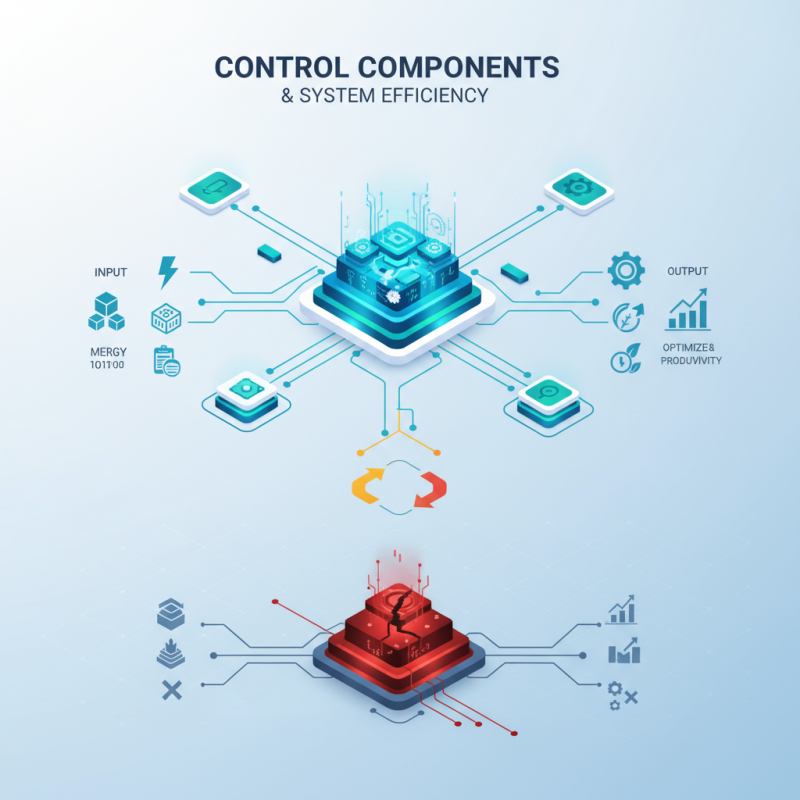
Control components are vital in system design. They manage inputs and outputs effectively. Without these components, systems can become inefficient and chaotic. For instance, in automation, a simple error can lead to significant downtime. This illustrates how crucial precise control is.
Each control component has a specific function. Sensors gather data, while actuators take action based on that information. This interaction promotes seamless operation.
Poorly designed control components can create bottlenecks. It's easy to overlook minor details, yet these can greatly impact overall performance.
Compatibility among control components matters too. Sometimes, parts may not work well together. This mismatch can cripple system efficiency. Designers must be wary of these pitfalls.
Reflecting on control strategies can reveal areas for improvement. Emphasizing the role of each component fosters a more cohesive system. Understanding these dynamics aids both design and functionality.
Types of Control Components and Their Functions
Control components play a vital role in enhancing system efficiency. They help regulate various processes. Common types of control components include sensors, actuators, and controllers. Each serves a specific purpose in managing the overall system.
Sensors gather data from the environment. They can detect temperature, pressure, or flow rates. This information is crucial. It allows systems to respond dynamically. For instance, a temperature sensor helps maintain optimal heating or cooling levels. Actuators, on the other hand, act on commands. They adjust elements, like valves or motors. A well-functioning actuator ensures smooth operations. Controllers analyze sensor data and send signals to actuators. They serve as the brain of the system.
Tips: Regular maintenance is key. Dusty sensors can lead to inaccurate readings. Check connections to ensure communication is seamless. Furthermore, consider using adaptable control components. They can improve responsiveness, though integration may pose challenges. It’s okay to face difficulties in the initial stages. Embrace the process of learning and refining. Control components can elevate efficiency, but their effectiveness lies in understanding their functions.
Importance of Control Components for System Efficiency
Impact of Control Components on System Efficiency
Control components play a vital role in enhancing system efficiency across various industries. According to a recent report by the International Energy Agency, systems equipped with advanced control components can reduce energy consumption by up to 30%. This efficiency boost stems from precise monitoring and adjustments made in real-time. For instance, in manufacturing, automated control systems can fine-tune machinery operations, leading to reduced waste and improved output quality.
In addition, control components directly impact operational reliability. A study from the American Society of Mechanical Engineers revealed that 80% of system failures stem from inadequate control mechanisms. This is a significant reminder of how essential these components are. When control systems are poorly designed or malfunctioning, inefficiencies can spiral out of control. Companies often overlook these risks in their optimization strategies. Fine-tuning control components is not just beneficial; it is necessary to maintain competitive advantage and sustainability.
Despite their advantages, many organizations struggle to implement these systems effectively. Lack of proper training and integration can lead to underperformance. The potential benefits can go unrealized if teams do not fully understand the complexities involved. Striking the right balance in control mechanisms is critical. It requires ongoing reflection and adjustment to truly harness their power for improved system efficiency.
Challenges in Implementing Effective Control Components
Implementing effective control components can be challenging. Many organizations struggle to define clear objectives. A lack of communication often leads to misunderstandings. Teams might not share the same vision, which can derail progress. This misalignment can cause delays and frustration among team members.
Difficulties arise from technological constraints too. Integrating new systems with legacy software can be daunting. Compatibility issues often surface, slowing down the entire process. Additionally, staff may lack the necessary skills. Training may require significant time and resources, complicating implementations. The cost of failure can be high, prompting hesitation.
Another challenge is scalability. As systems grow, control components need to adapt. Many designs can't accommodate rapid changes. This limits flexibility and hinders efficiency. Organizations often find themselves stuck with outdated solutions. Constant reflection on these issues is vital for improvement. Identifying pitfalls early can lead to more effective, streamlined processes in the future.
Future Trends in Control Component Technology and Efficiency
The future of control component technology lies in its ability to enhance efficiency in various systems. Reports show that the global market for control systems is projected to reach $25 billion by 2025. This growth reflects a rising demand for smart automation and energy-efficient solutions. Control components play a key role in optimizing performance, helping industries save costs.
One trend is the integration of artificial intelligence. AI-driven control components can adapt in real-time to changing conditions, improving precision. According to a recent study, systems using AI show a 30% increase in efficiency compared to traditional setups. However, reliance on technology does raise questions about cybersecurity and data privacy. A vulnerability could compromise entire systems.
Another interesting trend is the miniaturization of control devices. Smaller components can lead to significant space savings. They also often consume less energy. Yet, this miniaturization can present challenges. When components shrink, maintaining reliability and robustness becomes increasingly difficult. Future designs must address these trade-offs carefully.