How to Choose the Right Mesh Conveyor Chain for Your Needs?
Choosing the right mesh conveyor chain can significantly impact your workflow. A suitable chain increases efficiency and minimizes downtime. Understanding the specific requirements of your application is crucial.
Mesh conveyor chains come in various designs and materials. Each option serves different purposes. You must consider your industry, load capacity, and environment when making your choice. This decision often feels overwhelming.
Experts suggest evaluating your needs carefully before purchasing. Not every chain will meet your expectations or fit your machinery well. It's a balancing act between cost and quality. Ensure you invest time in research to find the most reliable option.
Understanding Mesh Conveyor Chains and Their Applications
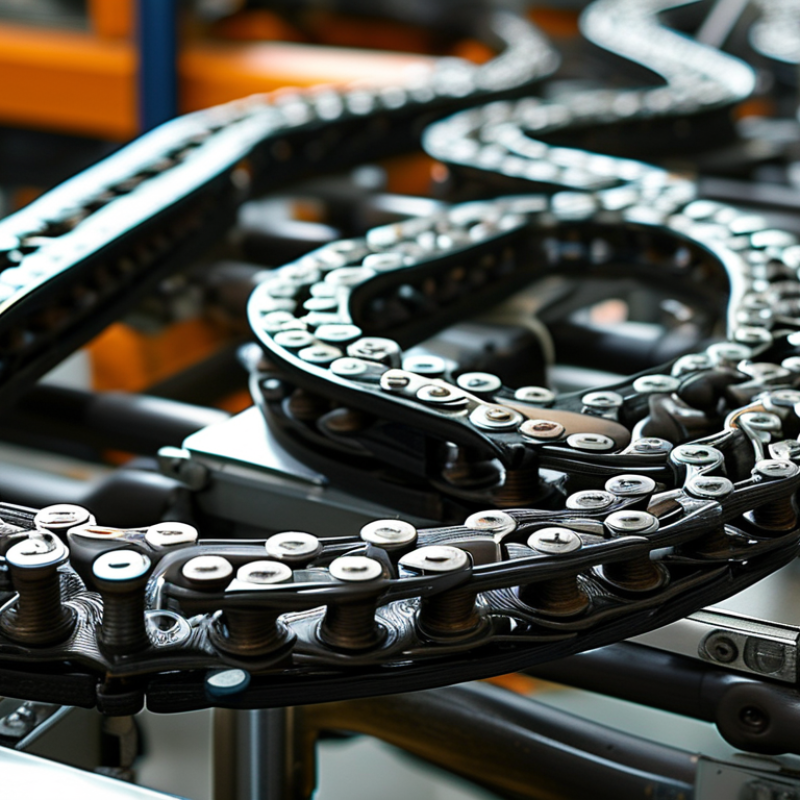
Mesh conveyor chains are increasingly popular across various industries due to their unique design and versatility. They are composed of interconnected links made from materials like stainless steel, plastic, or metal. This construction allows for high durability and resistance to wear, making them suitable for both heavy and light applications.
In the food processing industry, for instance, a recent report highlighted that mesh conveyor chains account for over 30% of the market share in conveyor systems. They provide hygienic solutions as they allow for proper drainage, reducing the risk of contamination. The porous nature of these chains makes them ideal for transporting items like packaged food, where moisture needs to escape easily.
Additionally, in the manufacturing sector, these chains facilitate efficient movement of products on assembly lines. A study showed that mesh conveyor chains could improve operational efficiency by up to 25%. However, choosing the right chain requires understanding specific needs such as load capacity and the environment where the chain will operate. Experts advise careful consideration of these factors to avoid costly downtime.
Factors to Consider When Selecting a Mesh Conveyor Chain
When choosing a mesh conveyor chain, several factors deserve careful consideration. The type of material being transported is crucial. For example, a heavier material may require a sturdier chain. According to a recent industry report, 42% of conveyor failures result from inadequate chain selection. This statistic highlights the importance of matching the chain's specifications to the weight and size of the payload.
Environmental conditions can also significantly impact your choice. A chain operating in high temperatures may necessitate specialized materials designed for heat resistance. Another study found that nearly 30% of conveyor issues stem from environmental factors like dust and moisture. Assessing the operating conditions, such as exposure to chemicals or extreme temperatures, is essential for ensuring long-term performance.
Finally, the desired speed and efficiency are critical factors. Some applications require slower, more robust chains. Others might need faster speeds for higher productivity. A survey indicated that speed mismatches were a concern for 25% of respondents, leading to inefficiencies. Carefully evaluating these elements will help in selecting the right chain. These considerations are vital for maximizing operational efficiency while minimizing maintenance and downtime.
Evaluating Material Compatibility for Your Conveyor Needs
Choosing the right mesh conveyor chain starts with material compatibility. Understanding the materials you’ll handle is crucial. Different materials interact uniquely with each type of chain. For instance, corrosive substances can degrade some metals. Plastic chains might be essential for food-grade applications. These specific needs should guide your selection process.
It's also vital to consider temperature and load factors. High-temperature environments can warp weaker chain materials. Heavy loads exert stress that some chains cannot withstand. Look into detailed specifications from manufacturers. Sometimes, the perfect chain isn’t obvious, requiring research and inquiry. Reflection on past experiences can also help; evaluate any shortcomings with previous choices.
The environment of operation plays a significant role too. Dusty settings may require chains designed to minimize blockage. Water exposure could mean needing corrosion-resistant options. Make sure to consider these details when assessing your needs. Ignoring them might lead to costly replacements or inefficiencies. Focus on finding a balance between durability and performance to get the best results.
Assessing Load Capacity and Chain Specifications
When selecting the right mesh conveyor chain, load capacity and chain specifications are crucial. Different materials and designs impact performance. According to industry reports, the average load capacity for mesh chains ranges from 500 to 1,500 pounds, depending on the configuration and material used. It’s important to assess both the weight and the volume of the items being transported. An under-spec chain may lead to premature wear or failure.
Consider the tensile strength of the chain. High-strength options are available, providing resilience in demanding environments. Reports suggest that chains designed for heavy loads can endure substantial stress without deformation. However, choosing a chain that exceeds your needs can result in unnecessary costs. Finding the balance is key.
When evaluating your options, think about the environment. Chains exposed to moisture and chemicals may require specific materials to prevent degradation. Reflect on your operational requirements too. Will the chain be operating in high-heat or cold conditions? Pay attention to these details to optimize your choice.
Load Capacity of Different Mesh Conveyor Chains
Maintenance Practices for Optimal Mesh Conveyor Chain Performance
Maintaining mesh conveyor chains is essential for their longevity and efficiency. Regular inspection is crucial. Check for signs of wear and tear, such as bent links or stretched sections. These issues can lead to downtime and costly repairs. Ensure that the chain is correctly aligned and does not rub against other components. Misalignment leads to uneven wear and can shorten the lifespan of the chain.
Lubrication plays a significant role in performance. Insufficient lubrication can result in increased friction and overheating of the chain. Use the appropriate lubricant recommended for mesh conveyor chains. Applying lubricant regularly will help reduce wear and improve the overall performance. However, over-lubrication can attract dirt and debris, creating further issues.
Cleaning is equally important. Dust, grease, and buildup can hinder performance. Regularly clean the chain to maintain optimal functionality. Consider the operating environment, as a dust-heavy setting may require more frequent cleaning. Address these maintenance practices regularly to ensure that your mesh conveyor chain operates at its best. Reflect on your current practices and adjust as needed to avoid unnecessary breakdowns.