How to Choose the Right Copper Filter Drier for Your Needs?
Choosing the right Copper Filter Drier can significantly impact the efficiency of your HVAC systems. According to the U.S. Department of Energy, improper filtration can reduce system efficiency by up to 30%. A well-selected Copper Filter Drier can help maintain optimal performance and extend equipment lifespan.
Understanding the specifics of your system is crucial. Factors such as refrigerant type, system capacity, and environmental conditions play a role in your choice. A mismatched filter drier may lead to system failure or reduced cooling capacity. The industry recommends selecting filters that meet strict specifications to ensure dependable operation.
Moreover, consider the quality of materials used in Copper Filter Drier construction. High-quality driers resist corrosion and ensure long-term reliability. However, the market presents a variety of options, leading to confusion among users. Conducting thorough research and consulting with professionals can mitigate risks associated with poor choices.
Understanding the Role of Copper Filter Driers in HVAC Systems
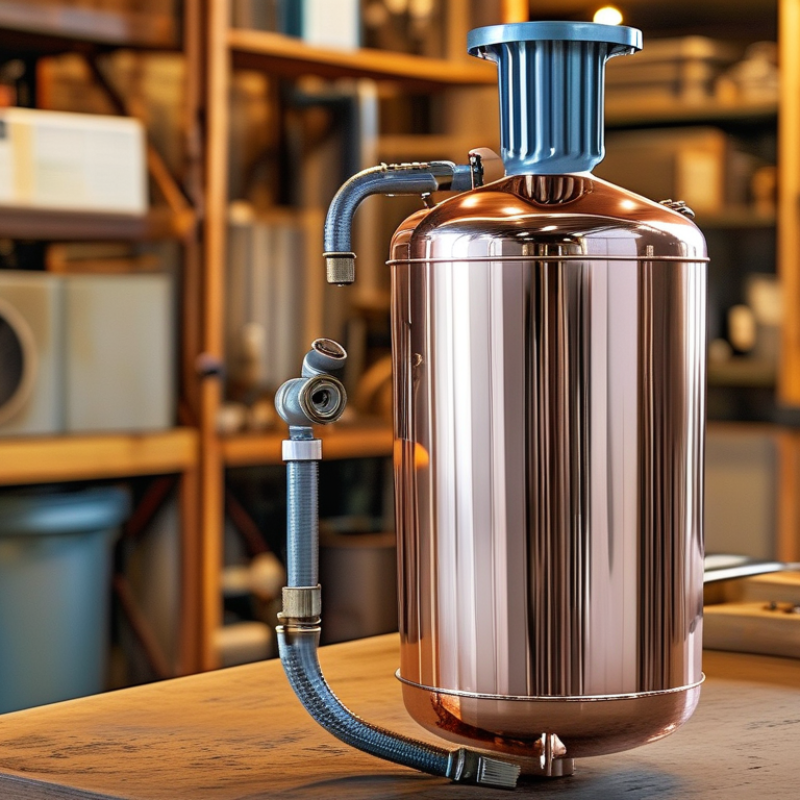
Copper filter driers play a crucial role in HVAC systems. These components help remove moisture and contaminants from refrigerants. Without them, your system could face serious issues. Excess moisture can lead to corrosion and system failure. This can be costly and time-consuming. A properly functioning copper filter drier helps maintain efficiency and longevity.
When selecting a copper filter drier, consider its capacity and compatibility with your system. Not all driers are created equal. Factors such as system size and refrigerant type matter. An ill-fit component may cause more problems than it solves.
Regular maintenance of filter driers is also essential. Neglected driers can become clogged and ineffective. This could compromise the entire cooling process.
Finding the right balance of qualities in a copper filter drier can be challenging. Some may focus on price, while others emphasize performance. Understanding the specific needs of your HVAC system is vital. Take the time to research and choose wisely. Reflecting on your choices now can save you from future headaches.
Key Factors to Consider When Selecting a Copper Filter Drier
Choosing the right copper filter drier is crucial for the efficiency of HVAC systems. Several key factors influence your decision. One significant aspect is the system capacity, typically measured in tons. According to industry reports, selecting a drier that matches your system's capacity can improve refrigerant efficiency by up to 15%.
Another important consideration is the moisture content. Moisture causes corrosion and decreases performance. Use a drier that effectively removes moisture. Professional recommendations suggest choosing a drier with a desiccant material suitable for your specific refrigerant type. Filters designed for R-410A, for example, offer unique properties that enhance system longevity.
Tips: Always verify the compatibility of your selected drier with the refrigerants used in your system. Consult with HVAC professionals to ensure you have the right specifications. Another point to reflect on is whether your system experiences fluctuations in pressure or temperature. If so, you might need a filter drier that can adapt to these changes. Proper installation and regular maintenance also play a significant role in prolonging the life of your copper filter drier.
How to Choose the Right Copper Filter Drier for Your Needs? - Key Factors to Consider When Selecting a Copper Filter Drier
| Factor | Description | Importance Level | Recommended Size |
| Cooling Capacity | Ensure the filter drier can handle the cooling capacity of your system. | High | 3/8" or 1/2" |
| Refrigerant Type | Choose a drier compatible with your refrigerant type (e.g., R-410A, R-22). | High | Varies |
| Moisture Absorption Capacity | Select based on the expected moisture load in your system. | Medium | 50-75 grams |
| Filtration Level | Ensure it can filter particles to the desired micron level. | High | 5 microns |
| Temperature Rating | Check the operating temperature range suitable for your application. | Medium | -40°F to 200°F |
| Connectors Type | Select the appropriate connector style for your installation. | Low | Flare or Solder |
Different Types of Copper Filter Driers and Their Applications
Copper filter driers are essential in refrigeration and air conditioning systems. They help remove moisture and contaminants. Several types are available, each suited for specific applications. Understanding these differences is crucial for effective installation and operation.
One common type is the solid core filter drier. It's effective for applications with stable refrigerants. These units can handle moisture well but may not remove larger particulates. Another variation is the bi-flow filter drier. It functions in both directions, making it ideal for heat pump systems. However, they might have limitations in high humidity conditions.
Unicorn and bullet designs are also notable. Unicorn driers excel in larger systems but can be more complex to install. Bullet driers are compact and suitable for small units, yet they might not work in extreme environments. Assessing your system's needs will help ensure you choose the right filter drier. Each option has its strengths and weaknesses, which can lead to challenges if not carefully considered.
Comparison of Different Types of Copper Filter Driers
Evaluating Size and Capacity for Your System's Requirements
When selecting a copper filter drier, size and capacity are critical factors. The right fit depends on your system's specifications. Oversized driers may lead to insufficient refrigerant flow. An undersized drier can result in insufficient moisture removal. Both scenarios may cause operational inefficiencies.
Consider the volume of refrigerant your system processes. Review the guidelines provided by manufacturers. These documents often showcase the recommended capacity for various applications. They help ensure optimal performance. It is noteworthy that one size may not fit all. Each system operates under unique conditions.
In evaluating your choice, inspect the physical dimensions as well. Ensure there's adequate space for installation. A tight fit may lead to complications. It can cause strain on your system components. Regular maintenance is also vital. An overlooked aspect is the drier's lifespan. Understanding this can prevent unexpected replacements. This focus on size and capacity leads to more efficient system operation.
Maintenance Tips for Prolonging the Life of Your Copper Filter Drier
Maintaining the lifespan of your copper filter drier is crucial. Regular checks can prevent costly replacements. Inspect for signs of wear or damage. This can include leaks or corrosion. A small issue can escalate quickly, leading to bigger problems. Ensure that the filter is addressed at each maintenance interval.
Cleaning your filter drier is key. Dust and debris can build up over time. This can cause inefficient operation. Use a soft cloth to wipe the exterior regularly. For the interior, follow manufacturer guidelines to avoid damage. Consider professional cleaning if you're unsure. It’s better to be cautious than to risk the filter's integrity.
Monitoring the system’s pressure is vital. If you notice fluctuations, investigate immediately. Issues may signal a problem with the filter drier. Routine maintenance checks are essential. Assess performance regularly to detect declines early. Make sure your knowledge of maintenance best practices is up to date.