Minimal Space. Maximum Impact! Designed for when every millimeter matters> the new IRONLESS UNANO SERIES

Semiconductors
Increase throughput and precision of your system
Display
Enhance accuracy and precision with linear motors
Science and aerospace
Improve motion quality for a variety of applications
Machine tooling
Robust solutions for increased speed and precision
Digital cutting
Create modular and high throughput applications
Printing
Increase printing speed and quality using linear motors
Robotics
Integrate compact solutions for guaranteed uptime and high dynamics
Life science
Establish precise and clean integrated solutions
Woodworking
Maximize performance and accuracy for high throughput
Stages and system solutions
Compact integration and high performance for your axis
Vacuum applications
Best performance for clean and vacuum applications
Characteristics
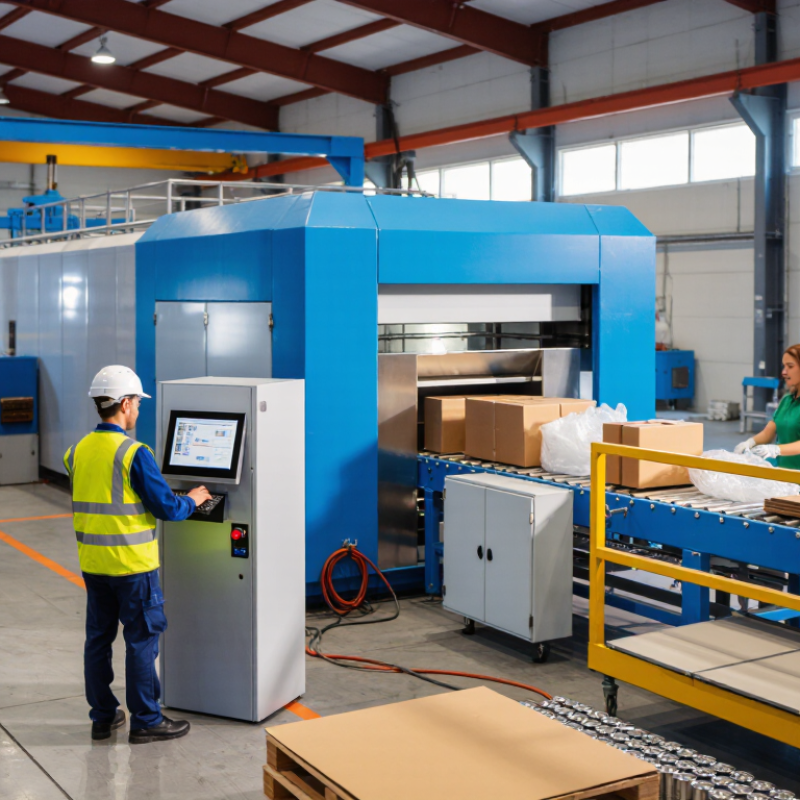
Choosing the best Recycling Machine begins with your actual waste stream, not an impressive product brochure. A restaurant, warehouse, and plastics processor need different solutions. Measure daily volume, material types, moisture, contamination, and available floor space. A machine handling 500 kilograms of dry cardboard cannot automatically process wet food packaging. That assumption can become expensive.
Tom Szaky, a recognized recycling entrepreneur and TerraCycle founder, has said, “Waste is a design flaw.” His statement offers a useful perspective. The right machine should fit your process and reduce avoidable waste. Review balers, shredders, compactors, separators, or sorting systems according to your materials. Ask suppliers for performance data under conditions resembling your facility. A live demonstration with your own samples is more valuable than a polished video.
Look closely at throughput, power consumption, noise, maintenance access, and operator safety. Confirm whether replacement parts and technical support are available in your region. Check documented safety certifications and applicable environmental requirements before purchasing. A lower purchase price may hide frequent downtime, difficult cleaning, or costly specialist servicing. Small details matter.
Do not trust every capacity claim.
Your team’s experience also matters. An automated system may appear efficient, yet poorly trained operators can reduce recovery rates. Record current labor hours, rejected materials, and disposal costs. Then compare those figures with realistic machine performance. The first choice may still be wrong. Reassess after a trial period, because waste composition changes with seasons, suppliers, and customer behavior. A reliable Recycling Machine is not simply powerful; it is practical, serviceable, and suitable for your business every day.
Define your recycling needs before comparing machines. Walk through your facility during a normal shift. Record the materials you handle, such as cardboard, plastic film, bottles, metal cans, or mixed packaging. Note their daily volume and storage space. A small shop may need a compact baler, while a warehouse may require higher throughput. Material moisture and contamination also matter. Wet cardboard behaves differently from clean, dry cardboard.
Tips: Weigh your recyclables for at least seven days. Separate peak-day volumes from average volumes. Check whether workers can load the machine safely and comfortably. Ask how often filters, blades, or compacting parts need attention. A machine that looks efficient may create delays if cleaning takes too long. Also, confirm the required power supply, floor area, noise level, and finished bale size. These details affect installation and collection costs.
Use records rather than guesses when selecting capacity. However, records can be imperfect. Staff may forget occasional overflow, and seasonal demand can change quickly. Leave reasonable capacity for growth without buying far beyond your actual needs. Speak with experienced operators, maintenance technicians, and your recycling collector. Their practical feedback can reveal problems that brochures often miss. Choose equipment that matches your materials, workflow, safety procedures, and service capability.
Choosing a recycling machine starts with the material, not the equipment catalogue. World Bank’s What a Waste 2.0 reports 2.01 billion tonnes of municipal waste generated globally each year. About one-third is not managed in an environmentally sound way. Your feedstock may be mixed, wet, contaminated, or unusually abrasive. That changes every machine decision.
For clean cardboard, a baler and conveyor system may provide the best return. Plastic film usually needs a shredder, washing line, dryer, and compactor. Rigid plastics often require sorting, granulation, and extrusion. OECD’s Global Plastics Outlook recorded 353 million tonnes of plastic waste in 2019, but only 9% was recycled. This gap makes accurate sorting important. Optical sorters improve consistency, while manual sorting can suit smaller volumes and tighter budgets. It is slower, though.
Processing method matters as much as machine type. Dry systems use less water and simplify wastewater control. Wet systems remove dirt more effectively but require tanks, filtration, and additional maintenance. Test the actual material before purchasing. Measure moisture, contamination, particle size, and hourly throughput. A machine rated for 1,000 kilograms per hour may produce far less with dirty input. That detail is easy to miss. The European Environment Agency also warns that recycling quality depends on separate collection and material purity. Energy use, replacement screens, noise, and operator training deserve equal attention. I have seen equipment selected by maximum capacity fail because the site lacked enough floor space and steady feedstock. The better choice may look less impressive on paper.
How to Choose the Best Recycling Machine for Your Business?
Evaluate Capacity, Efficiency, Space, and Energy Requirements
A suitable recycling machine should match your daily material volume, not your busiest hour. Measure incoming waste for at least two weeks. Record peak loads, moisture levels, and contamination. A machine rated for 500 kilograms daily may struggle with sudden production surges. Leave practical capacity available. It protects performance and reduces avoidable breakdowns.
Efficiency involves more than processing speed. Check output quality, cleaning time, maintenance access, and operator workload. A fast machine can become inefficient when workers spend hours removing jams. Ask for verified energy consumption under realistic operating conditions. Electricity costs often rise quietly. Compare kilowatt-hours per processed tonne, not only the motor size. One overlooked detail is standby power, especially in facilities operating long shifts.
Space requirements deserve a physical inspection. Measure door widths, ceiling height, service clearance, and floor strength. Sketch the machine’s footprint with feeding and discharge areas included. Narrow aisles can turn routine maintenance into a risky task. I once underestimated storage space around the equipment; the installation worked, but material movement became awkward. That mistake was expensive in time. A clear layout also supports safer training and smoother workflow. Review noise, heat, ventilation, and future expansion before signing a purchase agreement.
| Machine Type | Typical Materials | Throughput Capacity | Typical Output | Operating Utilization | Approximate Footprint | Installed Power | Energy Use | Best Fit for Business |
|---|---|---|---|---|---|---|---|---|
| Vertical Baler | Cardboard, paper, plastic film, textiles | 30–300 kg/h | 40–400 kg bales | 65–80% | 1.0–3.5 m² | 4–15 kW | 8–20 kWh/t | Retail stores, offices, warehouses, and businesses with moderate recyclable volumes and limited floor space. |
| Horizontal Baler | Cardboard, paper, PET bottles, plastic film | 300–1,500 kg/h | 200–600 kg bales | 70–85% | 12–40 m² | 15–75 kW | 15–35 kWh/t | Distribution centers, supermarkets, and recycling facilities requiring continuous, higher-volume baling. |
| Single-Shaft Shredder | Plastics, wood, rubber, textiles, mixed waste | 200–2,000 kg/h | 10–100 mm shredded material | 60–80% | 8–30 m² | 30–160 kW | 20–60 kWh/t | Manufacturers and recyclers that need size reduction before sorting, washing, extrusion, or further processing. |
| Plastic Granulator | Rigid plastics, production scrap, pipes, profiles | 100–1,500 kg/h | 3–20 mm granules | 65–85% | 4–20 m² | 15–150 kW | 60–150 kWh/t | Plastic processors needing consistent particle size for reuse, compounding, or resale. |
| Compactor | Municipal waste, packaging waste, light commercial waste | 1–10 m³/h | Compacted containers or blocks | 70–90% | 6–25 m² | 5–30 kW | 5–15 kWh/t | Hotels, shopping centers, logistics sites, and facilities focused on reducing waste storage and transport volume. |
| Glass Crusher | Container glass and sorted glass waste | 200–2,000 kg/h | 10–50 mm glass cullet | 70–90% | 3–12 m² | 5–30 kW | 5–20 kWh/t | Restaurants, beverage operations, waste contractors, and glass processors seeking lower storage and transport costs. |
| Food Waste Dehydrator | Food scraps and organic commercial waste | 50–2,000 kg/day | Reduced-volume dry organic output | 60–85% | 2–15 m² | 5–50 kW | 80–250 kWh/t | Restaurants, hotels, supermarkets, and institutions that need to reduce organic waste volume and odor. |
Planning note: Capacity, energy consumption, utilization, and footprint are typical non-brand-specific ranges. Actual performance depends on material type, moisture content, contamination level, feed size, operating schedule, and local power conditions. Select a machine with approximately 20–30% more capacity than your sustained peak requirement to allow for variation and future growth.
How to Choose the Best Recycling Machine for Your Business?
Safety should be checked before capacity or purchase price. A reliable machine needs fixed guards, emergency stops, and interlocked access doors. These features help prevent contact with moving parts during operation. Overload protection can reduce damage when unsuitable material enters the chamber. Ask whether dust control, noise reduction, and clear warning labels fit your workplace. Test the emergency stop personally. It should respond immediately, not after a noticeable delay.
Maintenance affects productivity more than many buyers expect. Choose equipment with accessible inspection points, simple lubrication schedules, and replaceable wear parts. A maintenance log should record belt tension, blade condition, filter changes, and unusual vibration. Remote diagnostics can help, but they cannot replace trained inspections. Request realistic service intervals and spare-part availability in writing. I have seen teams focus on output figures and overlook cleaning time. That mistake becomes expensive during busy weeks.
Operating cost includes electricity, labor, consumables, repairs, and downtime. Compare energy use at your expected daily volume, not only the supplier’s best test result. A smaller machine may cost less to run, yet frequent stoppages can erase the savings. Measure your material flow for several days before choosing capacity. Include installation, staff training, ventilation, and routine safety checks in the budget. The cheapest quotation is not always the lowest total cost. My own preference has changed after seeing maintenance delays disrupt otherwise efficient operations. Leave room for that possibility.
Choosing a recycling machine starts with supplier evidence, not glossy promises. The Global E-waste Monitor 2024 reported 62 million tonnes of electronic waste generated in 2022. Only 22.3% was formally collected and recycled. This gap makes traceability and machine reliability commercially important. Ask suppliers for factory test records, material compatibility data, warranty terms, and references from facilities processing similar loads. A polished brochure can still hide weak maintenance planning.
Compliance must match your location and material stream. Request documentation for applicable machinery, electrical, guarding, and environmental requirements. ISO 9001 and ISO 14001 certifications can indicate controlled quality and environmental systems, but they do not guarantee machine performance. Check emergency stops, noise levels, dust control, lockout procedures, and operator training. Regulations change. Confirm details with qualified local authorities.
Installation deserves a written plan. Require layout drawings, power requirements, foundation loads, commissioning tests, and operator training. Test throughput using your actual feedstock, including moisture, contamination, and irregular pieces. The U.S. EPA’s 2023 report estimated 32.1 million tons of municipal solid waste were recycled in 2018, showing why capacity claims need practical context. Support should include spare-parts availability, response times, remote diagnostics, and technician coverage. I would budget for downtime, too. That assumption may feel pessimistic, but one missed replacement part can stop an entire shift.