Minimal Space. Maximum Impact! Designed for when every millimeter matters> the new IRONLESS UNANO SERIES
Semiconductors
Increase throughput and precision of your system
Display
Enhance accuracy and precision with linear motors
Science and aerospace
Improve motion quality for a variety of applications
Machine tooling
Robust solutions for increased speed and precision
Digital cutting
Create modular and high throughput applications
Printing
Increase printing speed and quality using linear motors
Robotics
Integrate compact solutions for guaranteed uptime and high dynamics
Life science
Establish precise and clean integrated solutions
Woodworking
Maximize performance and accuracy for high throughput
Stages and system solutions
Compact integration and high performance for your axis
Vacuum applications
Best performance for clean and vacuum applications
Characteristics
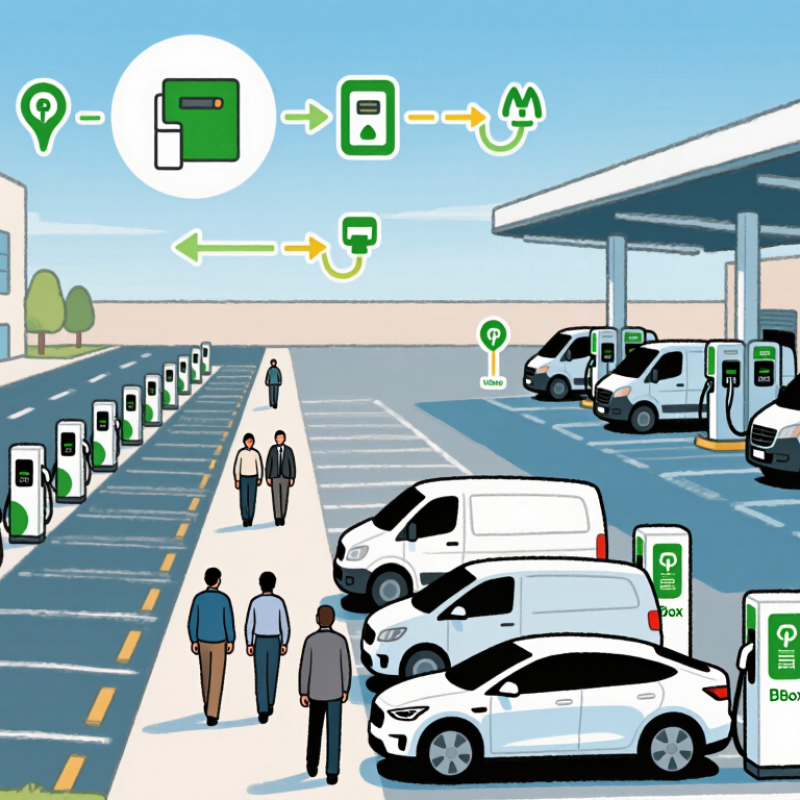
Choosing Evbox Charging Stations for a business is about more than selecting charging hardware. The right setup should fit how customers, employees, or fleet vehicles actually use your site. A hotel may need chargers near guest parking, while a depot may need a different layout and operating plan. Small details matter: available electrical capacity, cable reach, parking turnover, and the distance between chargers and building entrances. They can shape both installation costs and daily convenience. That matters.
Start by defining the job each charger must do. Estimate how many vehicles will charge, when they will arrive, and how long they typically stay. Then compare suitable models against those needs, rather than assuming one option fits every location. Check current product documentation for connector types, power ratings, network features, and compatibility with your vehicles. Specifications can change, so confirm them with EVBox or an experienced installer before making a purchase.
Consider the full service experience, too. Ask about installation requirements, software access, payment options, maintenance, warranty terms, and support response times. A charger that looks affordable upfront may involve costs that are easy to overlook. Not always. Request a site assessment and a clear written estimate, including any electrical upgrades. Also discuss how the system could accommodate future demand without overbuilding today. No plan removes every uncertainty; usage can change after launch. A careful comparison, based on verified details and your site’s real operating patterns, can help your business choose a practical charging solution.
Before comparing charging stations, map how vehicles use your site. A workplace may need several cars charged during an eight-hour shift, while a retail lot may serve drivers for only 30 minutes. A delivery fleet has a different pattern: vehicles may return together, creating a sharp evening demand. Measure actual use. Review parking duration, arrival times, daily mileage, and the number of vehicles needing a charge at once. A few weeks of parking and energy records can reveal more than a rough estimate.
Then match equipment and power levels to those patterns. Short visits may call for faster charging, while overnight parking can often use lower power over longer periods. Check the site’s electrical capacity with a qualified electrical professional before setting a target; available power can limit how many stations operate at full output.
Consider access, payment, cable reach, weather exposure, and who will handle maintenance. Leave room for growth, but avoid buying capacity that may sit unused.
A spreadsheet can look precise and still miss seasonal peaks or staff behavior. Revisit the assumptions after installation, using real session data to adjust station numbers, power sharing, and operating hours.
Business charging generally involves AC Level 2 stations or DC fast chargers. Level 2 suits offices, hotels, and long-stay parking: vehicles can charge while employees work or guests sleep. The U.S. Department of Energy’s Alternative Fuels Data Center lists Level 2 power from about 2.9 to 19.2 kW. Actual charging speed also depends on the vehicle’s onboard equipment and the site’s electrical capacity.
DC fast charging can serve fleets, highway-facing sites, and customers who need shorter stops. The same resource describes DC fast charging equipment spanning roughly 50 to 350 kW. More power is not automatically better. A 150 kW unit may deliver less than that when a vehicle’s battery is cold, nearly full, or limited by its own charging system. No option is perfect.
Look beyond rated power. Check connector compatibility, network access, load management, payment options, and service support. The International Energy Agency’s Global EV Outlook 2024 reports that public charging points worldwide grew by 40% in 2023, reaching more than four million. That growth makes dependable operation and clear access increasingly important. A practical comparison should also include parking duration, peak electrical demand, and installation costs. A tidy spreadsheet may still miss how drivers actually use the lot.
Choosing EV charging stations for a business starts with how the site will actually be used. Count available parking spaces, note how long vehicles usually stay, and estimate peak demand. A workplace with cars parked for eight hours has different needs from a busy retail lot. Avoid sizing only for today’s busiest hour; planned fleet growth can change the picture. Still, installing more ports than the electrical supply can support may create expensive delays.
Check the electrical infrastructure before choosing equipment. An electrician can review service capacity, panel space, cable routes, and the distance to parking bays. Long cable runs, pavement cuts, and limited transformer capacity can affect both cost and schedule. Ask whether load management could share available power across chargers. It may help, but its performance depends on the site’s usage patterns. Small details matter. Measure twice.
Tips: Walk the parking area with an installer and mark proposed charger locations. Check for accessible routes, weather exposure, and room for vehicles to maneuver. Request a written site assessment with upgrade needs, installation steps, and likely downtime. Keep a contingency in the budget; older panels sometimes reveal surprises.
Choosing charging stations for a business also means choosing the software behind them. Look for a dashboard that shows charger status, session history, and energy use in one place. Clear charts can help staff spot a unit that repeatedly stops charging during afternoon shifts. Scheduling tools and load management may also help balance demand across several parking spaces. Test the system on a phone, not just a large office screen. Small usability problems can slow down busy teams.
Payment options should match how customers and employees actually use the site. Check whether drivers can pay by app, contactless card, or another simple method. Review transaction fees, refund steps, and how quickly payments appear in financial reports. Ask whether the system can issue itemized receipts and separate public charging from staff access. Test it yourself. A payment flow that looks simple in a sales demo may feel clumsy at a wet curbside charger.
Network management matters when chargers are spread across a campus or multiple locations. Remote alerts, diagnostics, and restart controls can reduce unnecessary service visits. Confirm how the provider handles outages and whether chargers can record sessions during a connection failure. That matters. Compare support hours and escalation procedures, not just the number of monitoring features. A pilot with a few units can reveal gaps, though it may not predict every winter or peak-demand problem. Keep reviewing the data after installation; assumptions often need adjustment.
A practical starting point for comparing software, payment, and network management options.
Suggested evaluation weights—not measured market data. Adjust them to fit your business: prioritize network management for multi-site operations, payment simplicity for public charging, and software integrations for complex fleets.
Choosing commercial charging stations means pricing the whole operating system, not just the hardware. Include electrical upgrades, trenching, permits, network subscriptions, payment processing, maintenance, and possible utility demand charges.
A parking lot may look simple, yet a long cable run or limited panel capacity can change the budget quickly.
The IEA’s Global EV Outlook 2024 reports roughly 3.5 million public charging points worldwide at the end of 2023, a 40% annual increase. That growth makes realistic demand estimates important. Still, forecasts can be wrong; leave room for slower adoption, too.
Support quality matters after installation. Ask who answers fault reports, how quickly technicians can visit, and whether software updates are included.
Review warranty terms and request service-level targets in writing. The U.S. National Renewable Energy Laboratory’s research on charging infrastructure costs highlights how site conditions and installation work affect project expenses.
For future expansion, check whether the electrical design allows extra units, load management, and higher power without replacing the entire system. Reserve conduit space and panel capacity where practical.
A small site walk with an electrician can reveal details a spreadsheet misses. It is not glamorous, but it can prevent costly surprises.