How to Choose the Best Solar Panel Roof Mount for Your Home?
When considering solar energy for your home, choosing the right solar panel roof mount is crucial. A good mount ensures your panels are secure and efficient. Many homeowners overlook this aspect. This decision impacts overall energy production and long-term durability.
There are various types of solar panel roof mounts available. Each serves different roofing styles and panel sizes. Understanding these options is essential for effective installation. It is not a simple task to navigate through these choices. Factors like your local climate and roof pitch will influence your selection.
Not every solar panel roof mount will fit your needs. Some systems may be too complex or costly for your situation. Researching reliable brands and customer reviews can provide valuable insights. It’s important to weigh the pros and cons carefully. Making a hasty choice may lead to future regrets. Thus, spending time on this decision is a wise approach.
Understanding Different Types of Solar Panel Roof Mounts Available
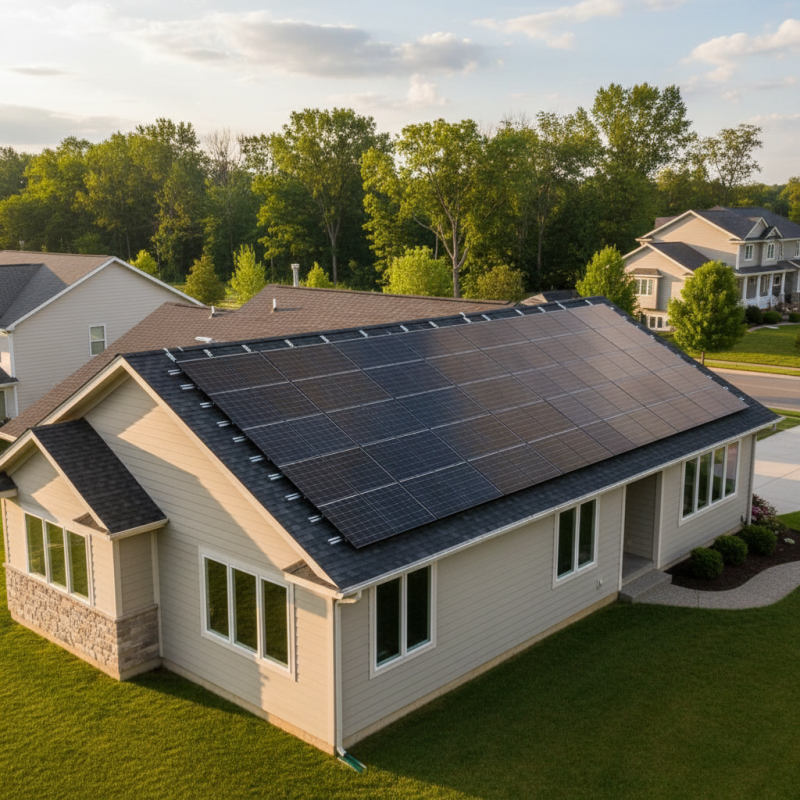
When choosing a solar panel roof mount, understanding the types available is crucial. There are mainly three types: fixed mounts, adjustable mounts, and tracking mounts. Fixed mounts are the most common. They’re simple and cost-effective. They hold panels at a set angle, optimizing sunlight capture based on local geography.
Adjustable mounts offer flexibility. Users can change the angle of the panels seasonally to capture more sunlight. This can increase energy generation by 10-20%. Tracking mounts follow the sun across the sky, maximizing exposure. Although more efficient, they are also pricier and require more maintenance.
Tips: Consider the roof's angle and direction. A south-facing pitch is ideal for efficient solar gain. Local weather patterns can also affect panel performance. Choosing the right mount is not just about efficiency; it involves understanding your home's unique characteristics.
Research shows that the right solar panel mount can boost overall energy production significantly. Industry reports indicate that homes with properly installed mounts gain 20-30% more energy. Understand your options and think critically about your specific needs. Balancing cost and efficiency can be challenging. Each mount type has its pros and cons that require careful consideration.
Evaluating Your Roof's Suitability for Solar Panel Installation
When considering solar panel installation, you must assess your roof's suitability. The roof's angle, orientation, and shading can all impact efficiency. South-facing roofs often receive the most sunlight. However, east or west-facing roofs may also work well with the right setup.
Evaluating your roof's materials is crucial. Asphalt shingles are generally ideal for solar mounts. Metal roofs can also be good, but require specialized mounting. Ensure your roof is in good condition before proceeding. Repair any leaks or damage now to avoid complications later.
Tips for assessment include checking for large trees or structures that may block sunlight. Consider conducting a shading analysis to determine optimal panel placement. If the roof is too flat, solar panels might not capture enough sunlight. Sometimes, roof modifications may be necessary. Reflect on these elements carefully before making your decision.
Factors to Consider When Selecting Solar Panel Roof Mounts
Choosing the right solar panel roof mount involves several important factors. Material quality is vital for durability. Look for mounts made from corrosion-resistant materials. These are more reliable in harsh weather conditions. The mount’s design should ensure it can handle your local climate. Strong winds and heavy snow can pose challenges, so consider these elements carefully.
The roof's angle also impacts your choice. A flat roof may require different mounts than one with a steep pitch. Adjustable mounts can help optimize energy production. Ensure that any mount you consider can support the weight of the panels. Installation complexity is another factor. Some systems require professional installation, which can increase costs.
Lastly, don’t overlook the importance of warranties and support. Reliable manufacturers often offer extensive guarantees. This protection can be reassuring but understand the terms before committing. Reflecting on these considerations can help you avoid costly mistakes. The right decision may not always be straightforward, but thorough research will lead you to a better choice.
Comparing Costs and Benefits of Various Mounting Options
When considering solar panel roof mounts, it's essential to weigh their costs and benefits. The choice of mounting options can significantly impact installation expenses and overall performance. A report from the National Renewable Energy Laboratory (NREL) highlights that fixed mounts are generally the most cost-effective. They can cost around $1,500 to $3,000 less than tracking systems. However, tracking systems may increase energy production by up to 25%, a figure worth considering despite their higher upfront cost.
Another study by the Solar Energy Industries Association (SEIA) reveals that installation costs often depend on local labor rates and material choices. The average installation price for solar mounts ranges from $0.10 to $0.20 per watt. These variations highlight the importance of local market conditions. Homeowners should not overlook regional factors that could affect cost-benefit analyses, which might lead to decisions that don’t optimize savings in the long term.
While fixed mounts provide reliability, they sometimes fail to produce maximum energy gains. A disconnect between expectations and reality can occur, especially in areas with varying solar exposure. Homeowners should reflect on their unique situational variables. This self-assessment will promote more informed decisions and ultimately lead to better energy solutions for their homes.
Comparing Costs and Benefits of Various Solar Panel Roof Mounting Options
Installation and Maintenance Tips for Solar Panel Roof Mounts
When selecting a roof mount for solar panels, proper installation and regular maintenance are essential for maximizing efficiency. Studies indicate that well-installed systems can enhance energy production by up to 20%. Proper alignment towards the sun is crucial. This ensures maximum exposure throughout the day.
During installation, ensure that the mounting brackets are securely fastened. Use corrosion-resistant materials to prolong the lifespan of your mounts. Regular inspections are vital. Check for any signs of wear or damage, especially after severe weather. It’s common for mounts to shift slightly over time. Keeping an eye on alignment can prevent decreased efficiency.
Tip: Clean your solar panels regularly. Dust and debris can block sunlight, reducing energy generation by up to 25%. Even a simple rinse with water can do wonders. Invest in quality cleaning tools that won’t scratch the surface. Remember, maintaining your solar panel roof mounts is an ongoing process, not just a one-time task. Implementing these practices will ensure your solar energy system operates optimally for years to come.