Minimal Space. Maximum Impact! Designed for when every millimeter matters> the new IRONLESS UNANO SERIES

Semiconductors
Increase throughput and precision of your system
Display
Enhance accuracy and precision with linear motors
Science and aerospace
Improve motion quality for a variety of applications
Machine tooling
Robust solutions for increased speed and precision
Digital cutting
Create modular and high throughput applications
Printing
Increase printing speed and quality using linear motors
Robotics
Integrate compact solutions for guaranteed uptime and high dynamics
Life science
Establish precise and clean integrated solutions
Woodworking
Maximize performance and accuracy for high throughput
Stages and system solutions
Compact integration and high performance for your axis
Vacuum applications
Best performance for clean and vacuum applications
Characteristics
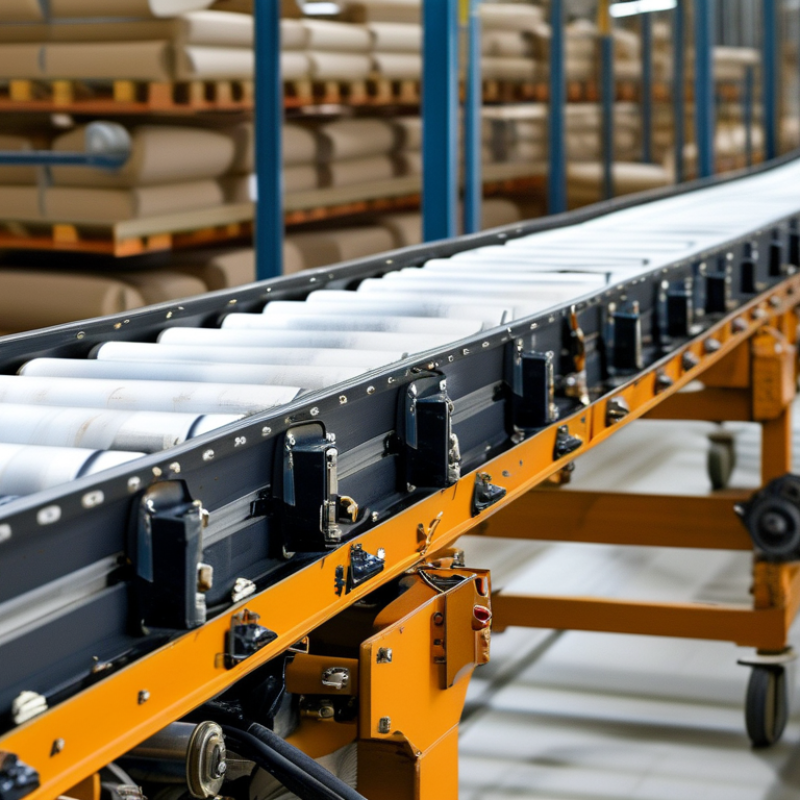
When it comes to industrial material handling, choosing the right equipment is crucial. A Cleated Conveyor Belt stands out due to its unique design and functionality. These belts have raised sections or "cleats" that help prevent materials from slipping. This feature makes them ideal for transporting bulk materials, particularly on inclines.
In warehouses and factories, efficiency is key. A Cleated Conveyor Belt not only maintains the flow of products but also minimizes spillage risk. This reliability is essential in demanding environments where downtime can be costly. However, it is important to evaluate if the choice suits your specific needs. Different applications may require varied cleat heights and patterns, which can complicate decisions.
While Cleated Conveyor Belts offer many advantages, challenges can arise. Proper maintenance is needed to avoid wear and tear. If not addressed, this could impact performance. Businesses should weigh the benefits against the potential drawbacks. Overall, a Cleated Conveyor Belt provides a solid solution for many material handling challenges.
Cleated conveyor belts are increasingly chosen for material handling due to their effectiveness in transporting bulk materials. Their design features raised sections, or cleats, that allow for the secure transport of materials. According to industry reports, these belts can increase transport efficiency by up to 30%. This enhanced grip minimizes slippage, especially on inclined surfaces, making them ideal for steep conveyor setups.
One key benefit of cleated conveyor belts is their versatility. They can handle a wide variety of products, from granular items to packaged goods. This adaptability is vital in sectors like food processing and manufacturing. Research indicates that using cleated belts can reduce operational costs by decreasing the need for additional equipment. However, the choice of cleats must be optimized for the specific materials being moved, as different sizes and shapes serve unique functions.
While cleated conveyor belts offer many advantages, they also present challenges. Installation and maintenance can be more complex than traditional flat belts. Users may face issues with wear and tear of the cleats, requiring regular inspections. Understanding these potential drawbacks allows companies to make informed decisions. Balancing efficiency and maintenance requirements is essential for maximizing the benefits of cleated conveyor systems.
| Feature | Description | Benefits |
|---|---|---|
| Enhanced Load Stability | Cleats keep materials in place during transport. | Reduces spillage and material loss. |
| Improved Elevation | Allows for transporting materials on an incline. | Enables efficient space utilization in facilities. |
| Versatile Design | Available in various configurations and materials. | Customizable to fit different applications. |
| Durability | Built to withstand harsh conditions and heavy loads. | Lower maintenance costs and longer lifespan. |
| Operational Efficiency | Facilitates quick and smooth material transport. | Increases productivity in handling processes. |
When considering material handling solutions, cleated conveyor belts are a reliable choice. They come in various types. Each type suits specific needs in industries like food processing, mining, and packaging. The most common types include rubber cleated belts, PVC cleated belts, and modular plastic cleated belts. According to industry reports, the global conveyor belts market is projected to reach $6.5 billion by 2025, driven by rising demand for efficient material handling solutions.
Rubber cleated belts are essential for heavy-duty applications. They offer strong traction and durability. For instance, in mining operations, rubber cleats can handle loose materials. They prevent slippage. PVC cleated belts are popular in food processing. They are easy to clean and comply with food safety regulations. Each type has its strengths and weaknesses, which should be carefully considered based on the operational environment.
While selecting a cleated conveyor belt, assess your specific operational needs. Factors like load weight, belt length, and width are crucial. Modular plastic cleated belts are versatile in design but may require more maintenance. The varying costs also play a significant role. Industry studies show that improper choices can lead to inefficiencies and increased operational costs. It's vital to analyze all aspects before making a decision.
Cleated conveyor belts are designed specifically for material handling tasks. Their unique structure enhances load stability, making them ideal for transporting items up inclines or on flat surfaces. The cleats provide a grip, preventing materials from sliding off. This design ensures safer transport and minimizes spills, increasing overall efficiency during operations.
Another advantage of cleated designs is their versatility. They can handle various materials, from loose bulk to packaged goods. The height and spacing of the cleats can be customized based on specific needs. However, it’s crucial to select the right cleat style and size for optimal performance. Improper choices can lead to load instability or damage to the materials being carried.
While the benefits are apparent, challenges do exist. Maintenance is critical; debris can accumulate in the cleats, affecting performance. Regular inspections can help mitigate issues, ensuring belts operate smoothly. Balancing efficiency with potential hindrances requires awareness, but the advantages often outweigh the downsides. Adaptation and careful planning are essential for achieving the best results with cleated conveyor belts.
When selecting a cleated conveyor belt for your material handling system, several key factors warrant careful consideration. The type of material being transported is crucial. Different materials may require different cleat heights and profiles. A study from the Conveyor Equipment Manufacturers Association states that over 70% of system failures stem from improper belt selection. Therefore, choosing the right cleat design can significantly affect operational efficiency.
Additionally, the operating environment plays a pivotal role. Factors such as temperature, humidity, and the presence of abrasive substances can influence the lifespan of a conveyor belt. A report from the Journal of Manufacturing Science highlights that belts used in harsh environments may require specialty materials to resist wear and tear. Assessing the physical and chemical properties of the materials you handle can help prevent future equipment malfunctions.
Maintenance is another aspect often overlooked. Regular inspections can identify potential issues before they escalate. Data from the International Conveyor Belt Association shows that companies investing in preventive maintenance see a 25% reduction in downtime. Even a well-chosen belt can fail if not properly cared for. Understanding the specific needs of your operation ensures you select a cleated conveyor belt that meets your durability and reliability standards.
Cleated conveyor belts have various applications in material handling. They excel in moving bulk materials, especially on inclines. However, to ensure optimal performance, regular maintenance is crucial.
One key tip is to inspect the cleats frequently. Some studies indicate that over 30% of conveyor belt failures stem from wear on cleats. When cleats wear down, the belt’s efficiency diminishes. This can lead to slippage and increased downtime. Another crucial point is to monitor the belt tension. Proper tension helps maintain alignment and prevents unnecessary strain. A well-tensioned belt operates smoothly, prolonging its lifespan.
Additionally, cleaning the belts regularly can improve performance. Contaminants like dust and debris can compromise grip between the cleats and the materials. If left unchecked, this may lead to decreased productivity. A proactive cleaning routine will help maintain the belt’s integrity and performance. Consider utilizing a mixture of air and water for effective cleaning without causing damage. Regular maintenance not only ensures longevity but also enhances operational efficiency.