How to Choose the Best Metal Forge for Your Manufacturing Needs?
Choosing the right Metal Forge for your manufacturing needs is crucial for operational success. The global metal forging market is projected to reach $102.5 billion by 2026, according to a recent industry report. This growth highlights the increasing demand for high-quality forged products across various sectors, including automotive and aerospace.
Expert in the field, John Decker, emphasizes, "Selecting the right Metal Forge can make or break your production line." This insight is vital for manufacturers looking to optimize their processes. Identifying a forge that aligns with specific requirements is essential. Factors such as machinery capabilities, production volume, and lead times must be carefully considered.
Manufacturers often face challenges when evaluating their options. It can be overwhelming to navigate the multitude of forges available. With proper research, it's possible to streamline this decision-making process. Ultimately, the right Metal Forge choice can enhance product quality and overall efficiency.
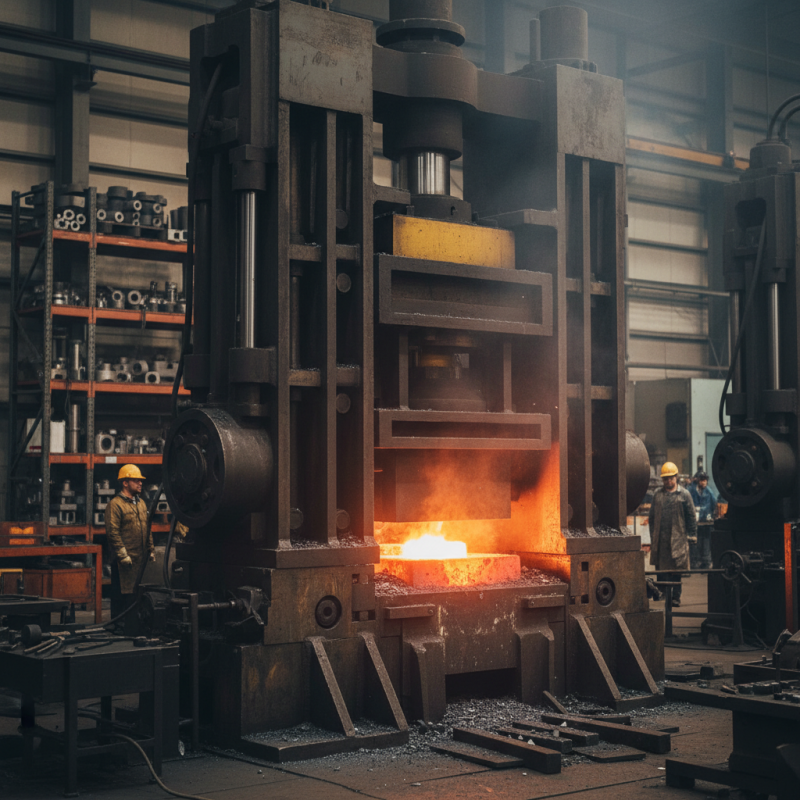
Understanding Different Types of Metal Forges and Their Applications
When selecting a metal forge, understanding the different types is crucial. There are mainly three categories: gas forges, coal forges, and electric forges. Each type serves unique applications. For instance, gas forges are popular for their ease of use. They provide quick heating and are ideal for smaller shops. However, they may lack the forging heat of coal forges.
Coal forges offer traditional methods and high-temperature capabilities. Many blacksmiths prefer coal forges for their versatility. Yet, they require more maintenance and produce smoke. Electric forges, on the other hand, provide a cleaner alternative. They are great for precision work but may not reach the high temperatures needed for larger projects.
Choosing the best forge can be challenging. Evaluating your production needs is key. Consider the materials you work with. Do you need portability or a stationary setup? Each forge has its strengths and weaknesses. It's essential to align your choice with your manufacturing goals. This process often requires trial and error. Engaging with other professionals can offer valuable insights and help guide your decision-making.
How to Choose the Best Metal Forge for Your Manufacturing Needs?
| Forge Type | Description | Applications | Advantages | Disadvantages |
| Blacksmith Forge | A traditional forge that uses coal or charcoal as fuel. | Artistic metalworking, custom tool making. | Greater control over heating, ideal for small batches. | Less efficient for high-volume production. |
| Gas Forge | Uses propane or natural gas for heating metal. | Blacksmithing, jewellery, metal art. | Clean operation, easy temperature regulation. | Initial setup cost can be high. |
| Induction Forge | Uses electromagnetic induction to heat the metal. | High volume production, automotive parts. | Fast heating and efficient energy use. | Requires precise control and equipment maintenance. |
| Electric Arc Forge | Uses an electric arc to heat the metal. | Heavy industrial applications, recycling metals. | Ability to heat large volumes of metal. | High energy consumption. |
Key Factors to Consider When Selecting a Metal Forge for Manufacturing
Choosing the right metal forge is crucial for efficient manufacturing. Several key factors need to be considered to ensure the best fit for your specific needs. Evaluate the type of metal you’ll be working with. Different forges cater to various metal types, such as steel, iron, or aluminum, impacting your production quality.
Consider the forge’s capacity. You should determine the maximum weight and size of the items you intend to produce. Overworking a forge can lead to breakdowns. According to industry reports, about 30% of businesses faced production delays due to inadequate forge capacity. This suggests careful capacity planning is essential for smooth operations.
Tips:
Understand the maintenance requirements of each forge option. A well-maintained forge can last significantly longer, potentially reducing costs over time. Additionally, look for user reviews and expert opinions to gauge reliability. Investigating these aspects can prevent future headaches.
Lastly, factor in energy efficiency. Higher efficiency leads to lower operational costs. Current data indicates that energy-efficient forges can save up to 20% on energy bills annually. Analyzing energy use is a step that shouldn't be overlooked.
Assessing Production Capacity and Efficiency in Metal Forges
When assessing production capacity and efficiency in metal forges, understanding your specific manufacturing needs is crucial. Start by evaluating the types of materials you will work with. Different metals require distinct forging processes, affecting both the design and performance of the forge. A thorough analysis can prevent costly mistakes in the long run.
Consider the forge's production capability. How many units can it produce in an hour? High-output models may seem appealing but can lead to inefficiencies if they outpace demand. Look for a balance that meets your production schedule while maintaining quality. Implementing lean manufacturing principles can enhance efficiency, reducing waste throughout the process.
Tips: Regular maintenance is essential. A well-maintained forge operates more efficiently. Schedule periodic checks to avoid unexpected downtimes. Also, factor in energy consumption. Efficient forges may cost more upfront but save money over time. Evaluate your workflow regularly. Reflect on how processes can be improved. Bringing in team feedback fosters a culture of continuous enhancement.
Cost Analysis: Budgeting for Your Metal Forging Equipment Investment
When budgeting for metal forging equipment, understanding the costs involved is crucial for efficient investment. The initial purchase price of a metal forge can vary significantly, ranging from $10,000 to over $100,000, depending on the complexity and capabilities of the machine. In 2022, a report by the Metal Forming Association indicated that equipment costs typically account for about 40% of the total project budget. Therefore, a detailed cost analysis is essential.
In addition to the equipment cost, consider the ongoing expenses. Maintenance and operational costs can reach up to 20% of the initial investment each year. It's essential to factor in training costs for staff and the potential need for spare parts. A study from the National Association of Manufacturers found that over 60% of companies underestimate these expenses. Engaging with a financial expert in manufacturing can often highlight these pitfalls.
Think about hidden costs, too. Energy consumption, for example, can greatly impact overall spending. A modern forge might consume thousands of dollars worth of energy annually. Yet, not every forge operates at peak efficiency, leading to unexpected expenses. This calls for careful research and planning before making a significant investment. Analyzing all these factors holistically can pave the way for a more effective budgeting process.
Industry Standards and Compliance: Ensuring Quality in Metal Forging
When selecting a metal forge, industry standards play a crucial role. Compliance with ISO 9001 certification ensures that a forge maintains quality management practices. This standard is widely recognized in the manufacturing sector. According to a recent report by the International Organization for Standardization, companies with ISO certification often experience a 20% improvement in operational efficiency. Such improvements can significantly impact production timelines and costs.
Material traceability is another critical factor. For instance, adhering to ASTM standards ensures that the raw materials meet specific quality requirements. This compliance can prevent costly failures in the final product. An estimated 30% of manufacturing defects arise from inadequate material oversight. It's essential to have protocols in place for quality checks during each forging phase.
Finally, sustainability is gaining traction in metal forging. The industry is seeing a shift towards eco-friendly practices. Companies focusing on sustainable processes can improve their market reputation. However, many forges still struggle with implementing these practices effectively. Balancing environmental responsibilities with production goals can be challenging, and many firms are still refining their strategies in this area.