How to Choose the Best Battery Connector for Your Needs?
Choosing the right Battery Connector can significantly impact your project's success. Battery connectors serve as the critical link between batteries and devices. They ensure a stable power supply and safe operation. With various types available, making an informed choice is essential.
When selecting a battery connector, consider the specific requirements of your application. Factors such as current capacity, voltage rating, and environmental conditions play a crucial role. Different connectors support diverse battery types, from lithium-ion to lead-acid. Understanding these differences can prevent costly mistakes.
Moreover, reliability matters. High-quality connectors enhance safety and performance. However, it's easy to overlook minor details, leading to potential issues. Take the time to research the best options. Reflect on your needs and how different connectors might affect overall functionality. Making a thoughtful decision now can save you time and resources later. Battery connectors are not merely components; they are essential elements for ensuring efficiency and performance in your electrical systems.
Understanding Battery Connector Types: Features and Applications
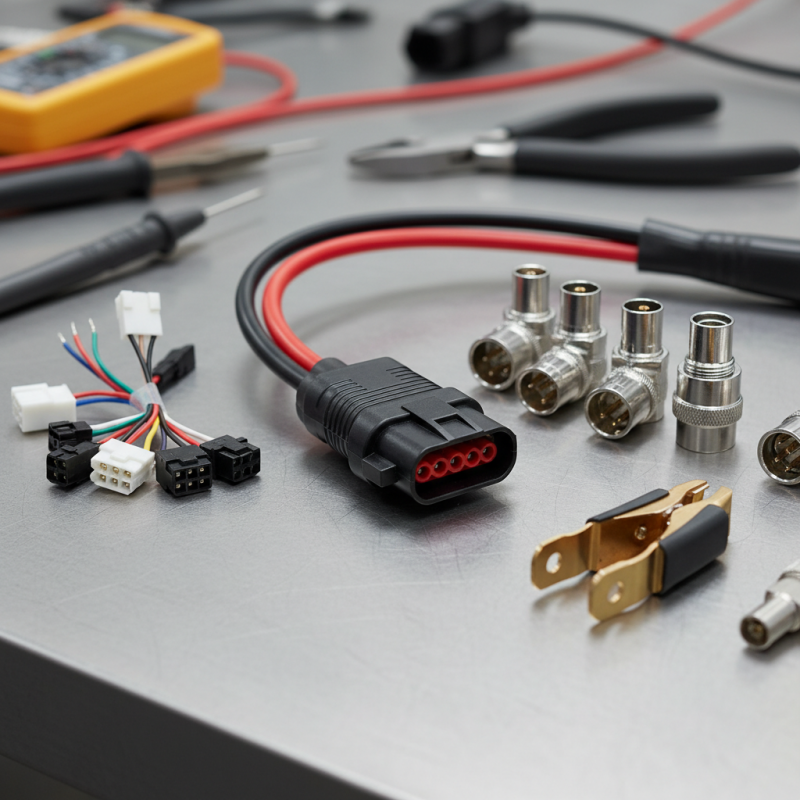
When selecting a battery connector, understanding different types and their applications is crucial. Battery connectors come in various shapes and sizes. For example, spade connectors are often used in automotive applications due to their reliability and ease of use. These connectors allow quick disconnections, making them ideal for those who need flexibility.
In contrast, during high-load applications, such as in power tools, you might consider using Anderson connectors. These connectors offer superior current-carrying capacity. Their design ensures a secure connection, which is vital when equipment is under strain. However, users may find them a bit cumbersome to pair correctly, which can lead to confusion in setups.
Finally, it's worth noting that some battery connectors cater to specific needs, like waterproof features for marine applications. These connectors may cost more, but they can prevent corrosion and extend equipment life. Users often overlook this aspect. Choosing the right connector means balancing cost, ease of use, and the specific requirements of your project. As always, reconsidering your choices periodically is beneficial, especially as new technologies emerge.
Evaluating Connector Materials: Conductivity and Durability Standards
When selecting the best battery connector, the material used is crucial. Conductivity plays a significant role in performance. High conductivity materials ensure minimal energy loss. Copper is often preferred for its excellent conductive properties. However, it can corrode over time. This raises concerns about long-term reliability.
[Image] Durability is another key factor to consider. Materials like stainless steel offer great strength and resistance to wear. They may not conduct electricity as efficiently as copper, which can lead to slower charging times or energy loss. Balancing conductivity and durability is essential. Some connectors use a combination of materials to optimize performance.
In evaluating options, think about the environment in which the connector will be used. Extreme temperatures can impact material performance. Moisture exposure might lead to corrosion. Prioritize connectors that are designed for specific conditions. This requires careful consideration of your needs and potential challenges.
Assessing Ampacity Ratings for Safe and Efficient Battery Connections
When selecting a battery connector, ampacity ratings play a crucial role in ensuring safety and efficiency. Ampacity refers to the maximum amount of electrical current a connector can handle without overheating. According to the National Electrical Code (NEC), the temperature ratings and specific materials of connectors significantly influence their ampacity. Understanding these ratings can prevent potential hazards and prolong the lifespan of your electrical systems.
Tips: Always check the ampacity rating against your system's requirements. Choose connectors rated for at least 25% more than your expected load. This margin provides a buffer, reducing overheating risk.
Some connectors, while inexpensive, may not maintain high ampacity levels under load. For instance, aluminum connectors can be less efficient than copper ones. They may degrade faster, leading to increased resistance. Consider the application; higher ampacity is essential for high-drain devices.
Tips: Invest in quality materials that align with your needs. Research industry standards and select connectors that are reliable to avoid future complications. Always be prepared for unexpected loads; having the right ampacity connector ensures you're ready for variations in power usage.
Choosing the Right Insulation: Heat and moisture Resistance Considerations
When selecting a battery connector, insulation resistance is a crucial factor. Heat resistance ensures the connector functions effectively under high temperatures. Look for materials like PVC or nylon, known for their thermal stability. A connector that can withstand heat limits wear and tear over time. Moisture resistance is equally important. Environments with high humidity can compromise connections. Selecting connectors with a high ingress protection (IP) rating can help mitigate this risk.
Evaluating insulation requires attention to detail. You might consider how often a connector is exposed to moisture or extreme temperatures. A connector often used in an outdoor setting might necessitate different insulation than one used indoors. Think about the potential for condensation. Sometimes, assumptions about environmental conditions can lead to issues. Testing connectors in real-world scenarios can reveal shortcomings in your selections. Ignoring these factors may result in failures later on. This highlights the importance of choosing wisely based on the conditions you expect.
How to Choose the Best Battery Connector for Your Needs? - Choosing the Right Insulation: Heat and Moisture Resistance Considerations
| Connector Type | Insulation Material | Heat Resistance (°C) | Moisture Resistance | Recommended Use |
| Spade Connector | PVC | 85 | Low | Automotive Applications |
| Blade Connector | Nylon | 105 | Moderate | Household Appliances |
| Ring Terminal Connector | Polypropylene | 130 | High | Industrial Equipment |
| Bullet Connector | TPE | 90 | Moderate | Robotics |
| Molex Connector | PEEK | 150 | Very High | Aerospace |
Compatibility with Battery Types: Ensuring Optimal Performance and Safety
When selecting a battery connector, understanding compatibility is key. Different battery types, such as lithium-ion, lead-acid, and nickel-metal hydride, require specific connectors. The wrong choice can lead to inefficiency or even safety hazards. If a connector is not compatible, it may cause overheating or damage. Always verify the specifications of your battery type and match them with the connector.
Tips:
- Check the voltage and current ratings. Make sure they align with your battery specifications.
- Look for connectors designed for your battery chemistry. This ensures reliability.
Safety is paramount. Some connectors are designed for high temperatures, while others are more fragile. If you frequently use your battery in varying environmental conditions, pay attention to the connector’s material. It could affect the performance over time. An inappropriate choice may lead to failure in critical situations.
Tips:
- Look for connectors with built-in safety features. This can prevent short circuits or overloading.
- Consider ease of use. Complicated connections may lead to mistakes during installation.
Remember that selecting the right product is a process. Consider returning to your options if initial trials do not meet your needs. Take your time to evaluate performance. Staying informed can lead you to a better decision in future battery projects.