Minimal Space. Maximum Impact! Designed for when every millimeter matters> the new IRONLESS UNANO SERIES
Semiconductors
Increase throughput and precision of your system
Display
Enhance accuracy and precision with linear motors
Science and aerospace
Improve motion quality for a variety of applications
Machine tooling
Robust solutions for increased speed and precision
Digital cutting
Create modular and high throughput applications
Printing
Increase printing speed and quality using linear motors
Robotics
Integrate compact solutions for guaranteed uptime and high dynamics
Life science
Establish precise and clean integrated solutions
Woodworking
Maximize performance and accuracy for high throughput
Stages and system solutions
Compact integration and high performance for your axis
Vacuum applications
Best performance for clean and vacuum applications
Characteristics
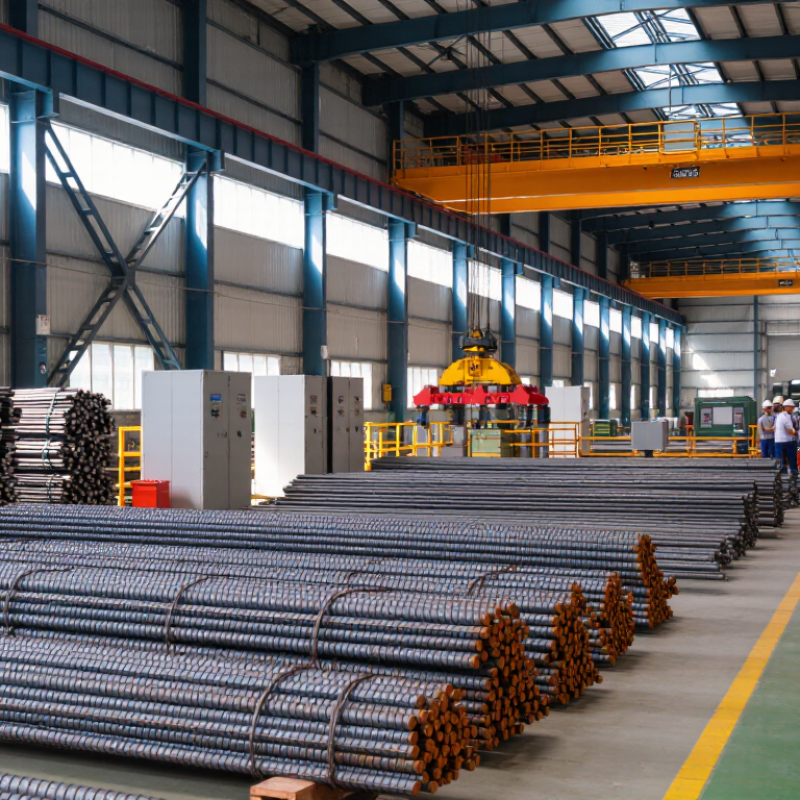
Choosing a Carbon Steel Rebar Supplier is a quality decision, not just a price comparison. The World Steel Association reported that global crude steel production reached about 1.89 billion tonnes in 2023. That scale makes supplier records and batch-level verification important. The OECD’s 2024 steel outlook also warns of rising global steelmaking capacity, so buyers should examine consistency rather than assume every offer reflects the same production controls.
W. Edwards Deming, a renowned quality-management expert, is often quoted as saying, “Quality comes not from inspection, but from improvement of the production process.” For rebar buyers, that principle points to practical checks: request mill test certificates, confirm the stated grade and dimensions, and match heat numbers across documents and delivered bundles. Look for clear quality-control procedures and a track record of dependable delivery. Paperwork matters. But paperwork alone is not proof. A site visit or independent testing may help resolve gaps, especially when a project has strict performance requirements. No single certificate guarantees a perfect shipment; I would treat that as an important limitation, not a reason to skip verification. A reliable supplier should answer technical questions plainly and provide traceable evidence before the order is placed.
Before requesting quotations, translate structural drawings into a clear rebar schedule. Specify bar diameter, grade, quantity, cut lengths, bending shapes, spacing, and delivery sequence. Note exposure conditions, required coating, and any welding or seismic requirements. These details affect both compliance and price. A vague request for “standard rebar” invites mismatched offers.
Set the required material standard and grade explicitly. For example, ASTM A615/A615M Grade 60 specifies a minimum yield strength of 60,000 psi, or about 420 MPa; ASTM A706/A706M may be more appropriate where controlled weldability is required. Confirm the applicable design code with the project engineer. Ask suppliers for mill test reports that link each heat number to its delivered bundles. Small omissions matter.
Supply capacity also deserves a practical check. worldsteel’s World Steel in Figures 2024 reports 1,892.2 million tonnes of crude steel production worldwide in 2023, but that broad figure does not guarantee local rebar availability or the right grade. Check stock, lead time, bundle tags, and delivery access against your site schedule. A neat specification can still miss a site constraint, such as a crane’s lifting limit; review it with the fabricator before placing the order.
Specify the required rebar diameter, grade, applicable standard, lengths, quantities, coating, and delivery schedule before comparing suppliers. The chart shows approximate theoretical mass per metre calculated using diameter² ÷ 162; confirm values and tolerances against the project’s governing standard.
A reliable Carbon Steel Rebar Supplier should be able to prove who made the steel and how it was produced. Request current business and quality-management documents, then check that the issuing organizations and dates are verifiable. Ask for mill test certificates tied to specific batches. Heat numbers should match the tags on bundles, delivery papers, and test records. Small gaps matter.
Look closely at manufacturing capability, not just the equipment list. Ask how the supplier controls bar diameter, rib pattern, straightness, and cutting length. Request recent tensile and bend-test results, along with the standards used for testing. A capable producer can explain its sampling frequency and what happens when a result falls outside specification. Vague answers deserve follow-up.
If practical, inspect the plant or arrange an independent production review. Check whether incoming billets, furnace temperatures, rolling records, and finished bars are traceable through the process. A clean showroom proves little. During a visit, observe how bundles are labeled and stored; mixed tags or exposed bars can signal weak controls. Documents can look perfect, and I would not treat them as proof by themselves. Compare records with a sample order, confirm production capacity against your schedule, and ask how delays or rejected batches are reported. Even careful suppliers can have occasional inconsistencies. What matters is whether they identify them clearly and provide evidence of corrective action.
A reliable carbon steel rebar supplier can show where each bundle came from and how it was tested. Check that mill test certificates identify the heat number, bar grade, dimensions, chemical composition, and mechanical results. The heat number should match the tags on the delivered bars. Small mismatch. Big concern.
Compare the reported results with the project specification and the applicable standard. ASTM A615/A615M, for example, sets minimum yield and tensile strength requirements by grade; Grade 60 rebar has a 60 ksi minimum yield strength. ASTM A706/A706M includes additional mechanical-property requirements, including a tensile-to-yield strength ratio. Requirements vary by grade and edition, so ask the supplier to identify the exact standard and edition used. FHWA’s 2002 corrosion-cost report estimated annual U.S. highway-bridge corrosion costs at $8.3 billion, a reminder that material quality and durability have real consequences.
Ask for recent tensile and bend-test records, plus the laboratory’s name, test dates, sample identification, and acceptance criteria. Records should connect to the specific production heat, not just show generic pass results. Check whether testing follows the project specification and a recognized method, such as ASTM A370. A certificate is useful, but it is not the steel itself. Review a sample report before ordering, and clarify how nonconforming bars are handled. Even careful checks can miss a problem; independent verification may be worthwhile for critical work.
A reliable carbon steel rebar supplier should make its price easy to audit. Compare the same grade, bar diameter, length, coating, and quantity across quotes. Ask whether cutting, loading, freight, and unloading are included. A low mill price can become expensive when transport or handling is excluded. Check how long the quote remains valid, too. Steel prices move, and an unclear validity period can leave buyers exposed.
Delivery terms deserve equal attention. Request a written schedule with dispatch dates, estimated transit time, and a process for reporting delays. Clarify who arranges freight and when responsibility for the goods transfers. The World Steel Association’s World Steel in Figures 2024 reports 1,892.2 million tonnes of crude steel production in 2023. That is broad market context, not a measure of available rebar. Ask for current stock records, mill certificates, and evidence that the quoted quantities are allocated to your order. Small detail. It matters.
Then test supply capacity against your project’s actual demand. Ask how many tonnes can ship weekly, where the material is stored, and whether replacement stock is available if a delivery fails inspection. A supplier’s stated capacity is not the same as confirmed capacity. I would want a sample delivery plan, even for a modest order; it may feel cautious, but assumptions are costly. Record agreed quantities and dates in the purchase documents, and compare suppliers on total delivered cost—not just the headline price.
How to Choose a Reliable Carbon Steel Rebar Supplier?
A dependable supplier should be willing to make the agreement clear before an order is placed. Put the rebar grade, bar sizes, lengths, quantity, delivery dates, and inspection documents in the contract. Get it in writing. Also specify how substitutions or short shipments will be handled. Vague wording can cause problems when trucks arrive and site crews are waiting.
Review warranty terms with the same care. Ask which defects are covered, how quickly claims must be reported, and what remedy is offered. Clarify who pays for inspection or replacement, and what records you must provide. Heat numbers and mill test certificates can help connect delivered bundles to their documentation. Keep copies accessible. A polished warranty may still leave practical questions unanswered, so ask for examples of how a claim is handled.
Support after the sale matters, too. Confirm who will share dispatch updates, answer technical questions, and manage delivery changes. Ask how quickly the supplier typically responds, especially when a shipment is delayed. If possible, check references or begin with a manageable order before committing to a larger volume. This takes extra effort. Still, it can reveal whether communication stays useful when plans change. A perfect contract cannot prevent every mix-up, but clear records and responsive support make issues easier to address.
| Review Area | What to Check | Evidence of a Reliable Supplier | Warning Signs |
|---|---|---|---|
| Product specification | Confirm the governing standard and grade, bar sizes, shape, length, surface condition, and applicable project requirements. | The quotation and order documents identify the standard and grade, such as ASTM A615/A615M or ASTM A706/A706M, where applicable, and match the project specification. | Vague descriptions such as “standard rebar” without a stated grade, size, or acceptance criteria. |
| Quality and traceability | Ask how bars are identified and how test results are linked to the delivered material. | Mill test certificates (MTCs) or equivalent inspection documents show heat or batch identification and relevant chemical and mechanical test results. | Certificates cannot be matched to the shipment, or the supplier will not explain its inspection and traceability process. |
| Contract scope | Review quantities, tolerances, price, taxes, delivery location, packaging, unloading responsibilities, and document requirements. | The contract clearly states what is included, how changes are approved, and which documents accompany each delivery. | Important costs or responsibilities are left to verbal agreement or are not defined in the order. |
| Delivery and delays | Check delivery dates, partial-shipment terms, notice of delay, and the process for rescheduling or replacing a missed shipment. | The agreement defines delivery milestones, communication responsibilities, and remedies or options if agreed dates are missed. | Only an informal delivery estimate is provided, with no process for handling delays. |
| Inspection and acceptance | Determine when and how the buyer may inspect material, report nonconformities, and request corrective action. | The contract sets a practical inspection and notification process and describes how disputed or rejected material will be assessed. | Acceptance terms are unclear, or the supplier gives no written process for handling nonconforming material. |
| Warranty and remedies | Read the warranty scope, exclusions, claim deadline, required evidence, and available remedies. | Written terms explain whether remedies include replacement, repair, refund, or another agreed resolution. Warranty periods and coverage are stated explicitly. | Broad verbal assurances, unclear exclusions, or terms that do not explain how to make a claim. |
| Ongoing supplier support | Ask who handles order updates, certificate requests, technical questions, and quality or delivery issues. | A named role or contact channel is provided, with a documented escalation process and timely access to order and product records. | Responsibility shifts between departments, or support and document access end once the order is placed. |
| Final contract check | Compare the signed terms with the quotation, purchase order, project specification, and any referenced attachments. | All documents agree on product requirements, price, schedule, inspection, warranty, and dispute-resolution terms; unresolved points are clarified in writing before signing. | Conflicting documents, missing attachments, or pressure to sign before key terms are confirmed. |