What Is a Cartridge Filter Housing and How Does It Work?
A Cartridge Filter Housing is a pressure vessel designed to hold one or more replaceable filter cartridges. It directs liquid or gas through the cartridge while the housing contains pressure safely. In a typical system, contaminated fluid enters through the inlet, passes through the filter media, and exits through the outlet. Particles remain trapped inside the cartridge.
The housing may be made from stainless steel, polypropylene, or other application-suitable materials. Its construction depends on pressure, temperature, chemical compatibility, flow rate, and sanitation requirements. A secure cover, gasket, and internal support are essential. Small details matter. A damaged seal can allow unfiltered fluid to bypass the media.
In practical operation, technicians monitor pressure before and after the housing. A rising pressure difference often indicates cartridge loading and the need for replacement. However, pressure alone does not tell the whole story. Some contaminants reduce performance without creating a dramatic pressure increase. This is why reliable maintenance also considers flow, product quality, operating time, and inspection records.
The simple explanation is useful, but incomplete. Cartridge selection must match the fluid, particle size, required cleanliness, and equipment design. Experienced operators also check whether the housing has been installed in the correct flow direction. They inspect seals, tighten closures evenly, and follow the manufacturer’s service instructions. These habits reduce leakage and protect downstream equipment. No filter works perfectly forever. Understanding its limits helps users build a safer, more consistent filtration process.
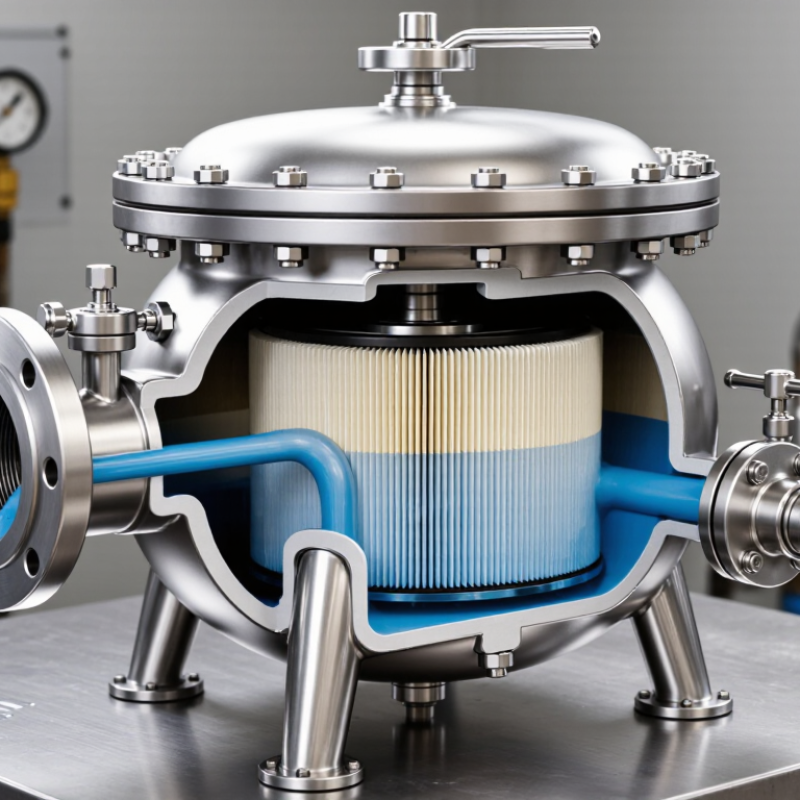
Definition and Purpose of a Cartridge Filter Housing
A cartridge filter housing is a pressure vessel that holds one or more replaceable filter cartridges. Its purpose is to guide liquid or gas through a filtration element while containing operating pressure safely. The housing usually includes an inlet, an outlet, a sealed cover, and an internal support core. As fluid enters, the cartridge captures suspended particles, sediment, or other unwanted materials. Cleaner fluid then leaves through the outlet. The housing matters.
In practical use, technicians select housing materials, cartridge length, and connection size according to flow rate, temperature, pressure, and chemical compatibility. A clear section can help operators inspect dirt buildup, while a stainless-steel body may suit demanding industrial conditions. Fit is critical. A poorly seated cartridge can allow bypass, even when the filter media appears clean. I have seen maintenance checks focus on cartridge replacement while overlooking damaged seals. That small mistake can undermine the entire filtration process. Operators should depressurize the housing before opening it and inspect the seal, support core, and internal surfaces during servicing. Cartridge life also depends on the incoming water or gas quality. Heavy sediment may clog a fine cartridge quickly, so a prefilter can reduce unnecessary replacement. Exact performance still requires testing, because real systems rarely match catalog assumptions perfectly.
Main Components and Their Functions
What Is a Cartridge Filter Housing and How Does It Work?
A cartridge filter housing is a pressure vessel that holds a replaceable filter cartridge. It directs liquid through the cartridge while containing pressure safely. The housing body provides the main chamber and supports the internal assembly. Its lid allows cartridge replacement without changing the entire unit. A clamp, threaded connection, or bolted ring keeps the lid sealed.
The cartridge performs the actual filtration. Its media captures particles as fluid passes through, while the core supports the media against pressure. End caps and seals prevent unfiltered liquid from bypassing the cartridge. The inlet guides fluid into the housing, and the outlet carries filtered fluid away. Many systems also include a pressure gauge, vent, drain, or sampling port. Each part has a practical purpose. A weak seal can defeat an excellent filter.
Tips: Check the cartridge length, diameter, and seal material before installation. Confirm the flow direction marked on the housing. Tighten connections evenly, not aggressively. Excess force may damage threads or gaskets. Monitor pressure during operation. Rising pressure usually indicates loading, but it may also reveal a restricted outlet or a poorly seated cartridge. It is easy to focus only on micron rating and overlook housing compatibility. That choice deserves a second look. Temperature, chemical exposure, flow rate, and cleaning habits all affect service life. Keep a maintenance record with pressure readings and replacement dates. Small details matter.
How Fluid Moves Through the Filter Housing
What Is a Cartridge Filter Housing and How Does It Work?
How Fluid Moves Through the Filter Housing
A cartridge filter housing is a sealed chamber that holds a replaceable filter element. Its main purpose is directing fluid through the cartridge under controlled pressure. Inside, the housing includes an inlet, an outlet, seals, and often a vent or drain port. Each part supports stable and predictable filtration.
When fluid enters, pressure pushes it toward the cartridge surface. In many designs, fluid flows from the outside of the cartridge toward its center. The filter media captures suspended particles, while cleaner fluid travels through the central core. It then leaves through the outlet. Some systems use the opposite direction, so the cartridge design must match the housing.
In practice, the flow path is less perfect than diagrams suggest. A loose seal can let fluid bypass the media. A blocked cartridge can also reduce flow and increase pressure difference. Operators usually monitor pressure before and after the housing. The difference shows how much resistance the cartridge creates.
Small changes matter.
Viscosity, temperature, and flow rate affect performance. Thick fluid moves more slowly through fine media. Cold conditions may increase resistance. During maintenance, technicians inspect the gasket, cartridge seating, and housing interior. A small scratch can cause a leak. I have found that rushing this check creates problems later, even when the cartridge itself looks clean.
The Filtration Process Step by Step
A cartridge filter housing is a sealed vessel that holds a replaceable filter element. The process begins when water enters through the inlet port. A pressure gauge records the starting pressure. Inside, water moves around the cartridge before passing through its media. The housing directs flow, so untreated water cannot easily bypass the filter.
The filter captures particles through surface screening, depth filtration, or both. Sand, rust, sediment, and some microorganisms may become trapped within the fibers. A 5-micron label sounds precise, but nominal and absolute ratings can differ greatly. The U.S. EPA Drinking Water Treatability Database identifies cartridge filtration as a physical treatment process, not a guaranteed disinfection method. That distinction matters.
Filtered water then exits through the outlet port. Operators compare inlet and outlet pressure. A rising pressure difference usually signals loading. The World Health Organization’s 2022 drinking-water guidelines recommend turbidity below 1 NTU to support effective disinfection. A cartridge may help reach that target, but it cannot repair poor upstream treatment. When flow falls or differential pressure reaches the manufacturer’s limit, technicians isolate the housing, release pressure, and replace the element. Do not clean every cartridge by habit. Some disposable media lose their structure after washing. One practical weakness remains: pressure readings can look acceptable while a damaged seal allows bypass. Inspect the gasket and seating area carefully. Small gaps can defeat good filtration.
Filter Replacement, Maintenance, and Safety Considerations
A cartridge filter housing encloses a removable filter element inside a sealed vessel. During operation, water enters the housing, passes through the cartridge, and exits cleaner. Replacement timing depends on pressure loss, flow reduction, and water quality. Do not rely on a calendar alone. A cartridge may look clean while its pores are already blocked. Install a pressure gauge before and after the housing when possible. A rising pressure difference gives clearer evidence than appearance.
Shut off the supply and release internal pressure before opening the housing. Even a small trapped pressure can force the bowl downward unexpectedly. Wear gloves and eye protection, especially when handling dirty cartridges. Place a container beneath the housing. Water often remains inside. Remove the used cartridge without touching clean fittings, then inspect the sealing surfaces and O-ring. A twisted or flattened O-ring can cause a slow leak after reassembly. Apply only a compatible lubricant when the housing instructions allow it.
Clean the bowl with mild soap and fresh water. Avoid harsh solvents that may weaken plastic or seals. Check for cracks, cloudy areas, damaged threads, or unusual discoloration. Replace questionable parts. Do not overtighten the housing; excessive force can damage threads and make future servicing harder. After installing the new cartridge, open the inlet slowly and inspect every joint with a dry paper towel. Let the system flush according to the cartridge instructions before use. Maintenance schedules help, but they are not infallible. Seasonal changes and sediment surges can shorten filter life without warning.


