Minimal Space. Maximum Impact! Designed for when every millimeter matters> the new IRONLESS UNANO SERIES
Semiconductors
Increase throughput and precision of your system
Display
Enhance accuracy and precision with linear motors
Science and aerospace
Improve motion quality for a variety of applications
Machine tooling
Robust solutions for increased speed and precision
Digital cutting
Create modular and high throughput applications
Printing
Increase printing speed and quality using linear motors
Robotics
Integrate compact solutions for guaranteed uptime and high dynamics
Life science
Establish precise and clean integrated solutions
Woodworking
Maximize performance and accuracy for high throughput
Stages and system solutions
Compact integration and high performance for your axis
Vacuum applications
Best performance for clean and vacuum applications
Characteristics
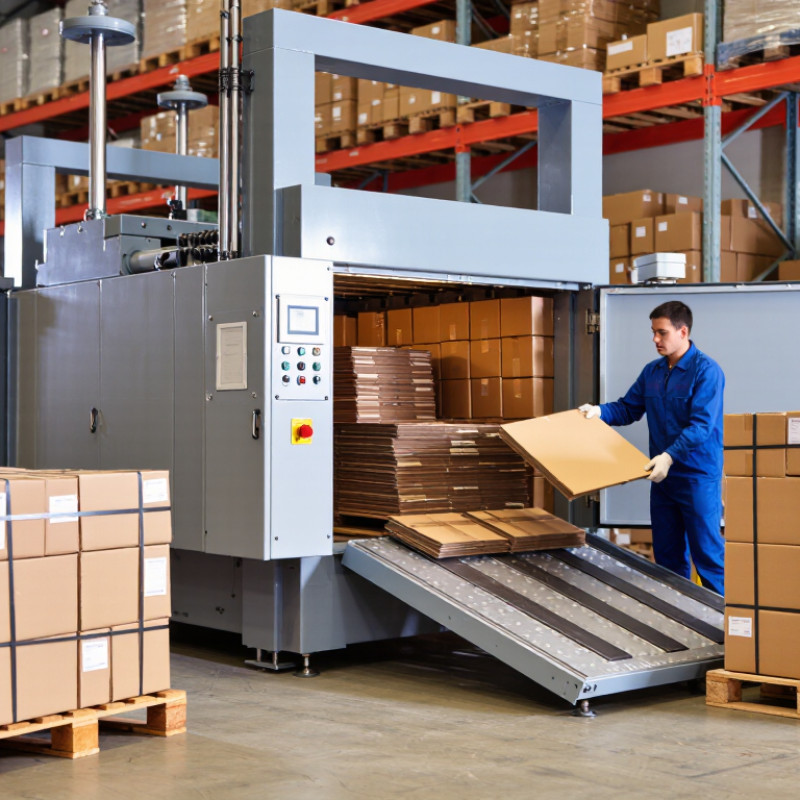
Cardboard Balers are practical machines that compress used cardboard into dense, manageable bales. They are common in warehouses, supermarkets, distribution centers, and manufacturing facilities. A typical work area may hold flattened cartons, shipping boxes, and packaging scraps. Without control, this material quickly fills valuable floor space. A baler changes that situation.
The basic process is straightforward. An operator places prepared cardboard inside the baling chamber. The machine’s hydraulic ram then presses the material with controlled force. As the cardboard becomes compact, it takes up far less space. Once the chamber is full, the bale is secured with wire, plastic strapping, or approved tying materials. It can then be moved for storage, transport, or recycling. The exact cycle depends on the baler’s design, chamber size, and power system.
It sounds simple.
However, safe and efficient operation requires more than pressing a button. Cardboard should be kept free from excessive food residue, liquids, and unsuitable materials. Operators also need training, clear procedures, and regular inspections. Guards, emergency stops, interlocks, and hydraulic components deserve careful attention. A damaged machine can create serious workplace risks. Even a well-built baler cannot correct poor sorting or careless loading.
This guide explains what a cardboard baler is, how its main components work, and where it fits in a responsible recycling program. It also considers capacity, maintenance, operating habits, and practical limitations. Some facilities may expect dramatic savings immediately. That expectation may be too optimistic. Results depend on cardboard volume, labor routines, equipment selection, and dependable maintenance.
A cardboard baler is a machine that compresses loose cardboard into compact, manageable bales. It reduces storage space and makes internal recycling collection more efficient. Common units use a steel chamber, a hydraulic ram, and binding materials such as wire or plastic straps. Some models stand upright, while larger systems operate horizontally. The suitable design depends on cardboard volume, available floor space, and worker access.
The process is straightforward. Workers place flattened cardboard into the chamber and close the safety door. The ram then presses the material under controlled hydraulic force. When the bale reaches the required size, operators secure it before removing it from the chamber. A well-formed bale should hold together without loose sheets falling away. However, compression quality can vary when cardboard contains moisture, tape, or other materials. It is not magic. Consistent loading matters.
Tips: Remove heavy contamination before baling, and never place hands inside the chamber. Keep the floor dry and inspect straps, doors, and warning controls regularly. Operators should receive practical training and follow the machine’s manual. In real workplaces, rushing creates uneven bales and avoidable maintenance problems. A slower cycle may produce safer, cleaner results.
A cardboard baler compresses loose boxes into dense, manageable bales. Its main parts work together in a controlled sequence. The feed hopper receives flattened cardboard and guides it into the chamber. A hydraulic cylinder drives the ram forward. The ram presses material against the chamber wall, while the motor powers the hydraulic pump. The control panel manages starting, stopping, and cycle settings. Safety switches stop operation when the door is open.
The bale chamber shapes the compressed cardboard. Once the target size is reached, operators secure the bale with approved strapping or wire. Then, the discharge system releases it for storage or collection. Pressure gauges help technicians detect unusual resistance or hydraulic problems. In practice, cardboard is rarely uniform. Wet sheets, plastic film, and oversized cartons can change compression performance. A small obstruction may create a large fault.
Tips: Remove plastic and heavy contaminants before loading. Keep cardboard reasonably dry. Never reach into the chamber during operation. Inspect hoses, guards, and switches during routine checks. Listen for unusual pump noise. It often reveals trouble early. Operators should also avoid overfilling the hopper, even when production is busy. That shortcut can cause uneven bales and unnecessary wear. Manufacturer instructions and trained maintenance support remain essential for reliable operation.
| Component | System Category | Primary Function | How It Works | Operational or Safety Considerations |
|---|---|---|---|---|
| Feed Hopper or Loading Chamber | Material Handling | Receives flattened cardboard and directs it into the compression area. | Operators or a conveyor place recyclable cardboard into the chamber. The chamber helps keep loose material within the baler during loading. | Cardboard should be distributed evenly, and hands should never enter the chamber while the machine is operating. |
| Compaction Ram or Platen | Compression | Compresses cardboard into a dense, manageable bale. | The ram moves forward through the chamber and applies force to reduce the material's volume. It retracts after the programmed compression cycle. | The ram requires intact guards, limit controls, and regular inspection for contamination or mechanical damage. |
| Hydraulic Cylinder | Power Transmission | Converts hydraulic pressure into the linear movement of the ram. | Pressurized hydraulic fluid enters the cylinder, extending or retracting the piston rod according to the control sequence. | Leaks, damaged hoses, unusual noise, or slow movement can indicate a hydraulic problem requiring qualified service. |
| Hydraulic Pump | Power Unit | Circulates hydraulic fluid and creates the pressure needed for compaction. | An electric motor drives the pump, which transfers fluid from the reservoir to the hydraulic circuit. | Correct fluid level, cleanliness, and operating temperature are important for reliable performance. |
| Electric Motor | Drive System | Provides rotational power to the hydraulic pump. | When the control system starts a cycle, the motor runs the pump to generate hydraulic flow and pressure. | The motor should be protected from moisture, excessive dust, overloads, and inadequate electrical connections. |
| Hydraulic Reservoir | Fluid Management | Stores and helps cool the hydraulic fluid used by the system. | Fluid returns to the reservoir after passing through the cylinder and control valves, allowing the cycle to repeat. | The reservoir should be checked for the correct fluid level, contamination, and signs of leakage. |
| Directional Control Valve | Hydraulic Control | Controls the direction and timing of hydraulic fluid flow. | The valve sends fluid to extend or retract the cylinder, allowing the ram to complete its compression cycle. | Valve faults may cause incomplete strokes, unexpected movement, or failure to return to the home position. |
| Bale Chamber | Bale Formation | Holds compressed cardboard in a defined shape and size. | As the ram compresses the material, the chamber confines it so the finished bale remains compact after compression. | The chamber must be kept clear of excessive debris, and the door or retaining mechanism must close securely. |
| Bale Ejection or Discharge Door | Bale Removal | Allows the completed bale to be removed from the chamber. | After tying or securing the bale, the door is opened manually or hydraulically, depending on the baler design. | The ram must be fully retracted and the machine isolated before clearing a jam or removing a bale. |
| Bale Tying System | Bale Securing | Keeps the compressed cardboard together after it leaves the chamber. | Operators typically use wire, plastic strapping, or approved tying material through channels or around the compressed bale. | Ties must be tight enough to hold the bale but should not be handled without suitable gloves and eye protection. |
| Control Panel | Machine Control | Starts, stops, and manages the baler's operating cycle. | Buttons, switches, or a programmable controller coordinate motor operation, ram movement, and cycle status. | Controls should be clearly labeled and kept accessible. Only trained personnel should change operating settings. |
| Limit Switches and Position Sensors | Automation and Monitoring | Detect the position of doors, the ram, and other moving parts. | Signals from the sensors allow the control system to start or stop movement only when required conditions are met. | Defective or misaligned sensors can prevent cycling or create unsafe conditions and should not be bypassed. |
| Safety Interlocks | Safety System | Prevent operation when access doors or guards are open. | An interlock interrupts the control circuit when a protected opening is not securely closed. | Interlocks are critical protective devices and must be tested according to the equipment's maintenance procedure. |
| Emergency Stop Device | Emergency Protection | Stops hazardous machine movement during an emergency. | Pressing the emergency stop interrupts the machine's control functions, allowing the equipment to shut down quickly. | It does not replace lockout and isolation procedures for maintenance, cleaning, or jam removal. |
| Frame and Structural Housing | Structural Support | Supports the chamber, hydraulic components, motor, and moving assemblies. | The rigid frame absorbs compression forces and keeps the major components aligned during operation. | Cracks, loose fasteners, corrosion, or distortion can affect alignment and should be reported promptly. |

A cardboard baler compresses loose cardboard into dense, tied bales. It reduces storage volume and keeps recycling areas more orderly. The machine usually contains a feed opening, compression chamber, hydraulic ram, and bale door.
The process begins when an operator places flattened boxes into the feed chamber. Oversized pieces should be folded or cut down safely before loading. The ram then moves forward, powered by hydraulic pressure, and pushes the material against the chamber wall. Cardboard folds, slides, and packs tightly as the cycle continues. The operator checks the fill level and repeats the loading cycle until the bale reaches the required density. Not every load behaves the same.
When the chamber is full, the ram holds the compressed cardboard in place. The operator threads approved wire or plastic strapping through the chamber slots and secures the bale. The tying step needs care because loose straps can let the bale expand suddenly. After securing it, the bale door opens, and the ram pushes the finished bale onto a pallet or clear floor area. The operator then checks its shape and stability before moving it. Keep hands away from moving parts. Use the emergency stop when movement seems abnormal. In practice, operators sometimes overfill the chamber, expecting a heavier bale. That choice can cause uneven pressure and poor tying. Regular inspection of hydraulic lines, guards, and control buttons also matters, although busy teams may overlook it.
A cardboard baler compresses loose corrugated boxes into dense, tied bales. Its hydraulic ram applies pressure inside a steel chamber. Operators then secure the bale with wire or plastic straps. The machine reduces storage volume and makes handling safer. The main difference lies in feeding direction, automation, and bale size.
Vertical balers suit shops, offices, and smaller warehouses. Staff load cardboard through a top opening, then the ram presses downward. They need limited floor space, but workers must load and tie each bale manually.
Horizontal balers handle larger volumes. Cardboard moves through a side opening, while the ram compresses it lengthwise. Automatic-tie models reduce labor. Two-ram balers manage heavier streams and produce denser, more consistent bales. The classification is not always tidy.
Selection should follow actual material flow, not just rated capacity. A busy distribution center may need a continuous-feed horizontal baler. A retail back room may only need a compact vertical unit. Oversized boxes can bridge the chamber, causing uneven pressure. Moist cardboard also weakens bale quality. These details are easy to underestimate.
The U.S. EPA’s Advancing Sustainable Materials Management report recorded 67.4 million tons of paper and paperboard waste in 2018, with about 46.9 million tons recovered. The American Forest & Paper Association reported 60.2 million tons of recovered paper in its 2023 recycling update. These figures show why baler selection affects both logistics and recovery value. A smaller machine can be more practical, but only when its cycle time matches daily cardboard volume.
A cardboard baler compresses loose boxes into dense, manageable bales. Workers feed flattened cardboard into a chamber. A hydraulic ram then presses the material with steady force. Ties or wire hold the bale together after compression. The machine reduces volume, so storage areas stay clearer and safer. It also makes cardboard easier to handle during scheduled recycling collection.
Balers help warehouses, supermarkets, offices, factories, and distribution centers control cardboard waste. Fewer loose boxes mean less floor clutter and fewer trips to outdoor containers. Dense bales can also reduce handling time and transportation space. However, a baler is not a cure-all. Wet cardboard, plastic film, and hidden metal can damage equipment or weaken the bale. That detail is easy to overlook. Reliable results depend on sorting, regular inspections, and proper operator training. In busy facilities, measured bale weights and simple maintenance records can reveal problems early.
Tips: Keep cardboard dry and remove packing materials before loading. Never place hands inside the chamber. Check the ram, tie points, and emergency controls before use. Match the machine size to daily cardboard volume. A small unit may struggle with heavy retail traffic. Staff should also avoid overfilling the chamber, even when production pressure is high. Mistakes happen. Clear procedures help limit them.