What is Brass Die Casting Benefits and Applications for Buyers?
Brass Die Casting is an essential process in manufacturing. It offers significant advantages for various industries, including automotive and electronics. The market for die casting is expected to reach $17.73 billion by 2027, according to Smithers Pira. This highlights its increasing importance.
The benefits of Brass Die Casting are notable. It allows for precise detail, lower production costs, and quick turnaround times. These characteristics make it a favored option for many manufacturers. For instance, components produced via this method often exhibit superior strength and durability compared to those made through other processes.
However, buyers must be aware of potential challenges. Quality control is critical. Variations in alloy composition can impact product performance. The choice of foundries and manufacturing partners is vital for ensuring reliable outputs. Careful consideration of these factors will lead to better outcomes in projects and products.
Understanding Brass Die Casting: An Overview of the Process
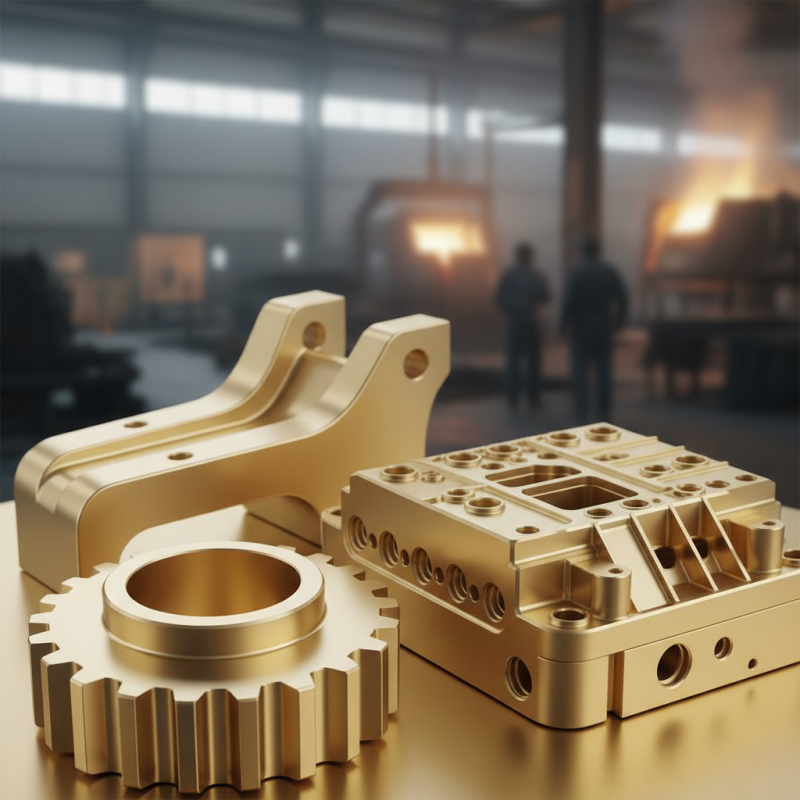
Brass die casting is a highly efficient process used for producing metal parts. It involves injecting molten brass into a mold, allowing for rapid production of intricate shapes. This method can yield parts with superior dimensional accuracy and surface finish. According to the North American Die Casting Association, die casting can reduce production time by up to 40% compared to traditional casting methods. As buyers, understanding the benefits of this process is crucial.
In terms of applications, brass die casting is widely used in various industries, including automotive, plumbing, and electronics. For instance, the automotive industry utilizes brass die casting for components like connectors and housings. A report from MarketsandMarkets indicates that the global brass die casting market is expected to grow at a CAGR of 5.6% over the next five years. This growth reflects the demand for durable and corrosion-resistant parts that can withstand harsh environments.
Tips: When considering brass die casting, evaluate your design for manufacturability. Complex designs may increase costs. Always discuss with a supplier about potential refining of your designs. Conduct thorough material compatibility checks to ensure optimal performance. It's also vital to be aware of potential limitations in the casting process. Not every design might translate perfectly. Regular feedback and iterations can lead to improved outcomes.
Key Benefits of Brass Die Casting for Different Industries
Brass die casting is gaining popularity across various industries. Its unique properties make it suitable for many applications. Brass is a strong and corrosion-resistant metal. This ensures longevity in products, making it a favored choice for buyers.
In the automotive sector, brass components are often used. These parts are essential for durability and performance. From fittings to small electronic housings, the precision of die casting allows intricate designs. In the electronics industry, brass serves as an excellent conductor. It is used in connectors and terminals, where reliability is crucial.
Another field benefiting from brass die casting is plumbing. Brass fixtures are not just robust; they also maintain aesthetic value. This combination meets both functional and decorative needs. However, it's important to consider sourcing and environmental impact. Ensuring ethical practices in production is vital for sustainable development.
Applications of Brass Die Casting in Consumer Products
Brass die casting plays a vital role in consumer products today. This technique helps create durable and attractive parts. Items like door handles, decorative hardware, and plumbing fixtures often use brass die casting. The process allows for complex shapes, offering both strength and detailed designs. These features attract manufacturers aiming for high-quality products.
Another area of application is in electronics. Brass components serve excellent conductivity and corrosion resistance. They are key in making connectors and switches reliable. However, issues may arise with production runs. Some manufacturers overlook quality control during casting. This can lead to defects, which hurt the final product's performance.
Lastly, the automotive sector increasingly relies on brass die casting. From small fasteners to intricate engine components, these parts must meet strict standards. Yet, not all suppliers maintain consistent quality. Buyers should conduct thorough research and seek feedback before making decisions. Overall, while brass die casting offers many advantages, vigilance is essential for optimal results.
Cost-Effectiveness and Efficiency of Brass Die Casting
Brass die casting offers notable cost-effectiveness and efficiency for manufacturers. According to a report by the Metalworking Industry journal, brass die casting can reduce production costs by up to 30% compared to other metalworking methods. This reduction primarily stems from the high precision of brass die casting, which minimizes waste and lowers material usage.
The process enables rapid production cycles, which further enhances efficiency. A study by the International Journal of Advanced Manufacturing Technology indicates that die casting can produce components 20% faster than machining processes. This speed is crucial in industries where time-to-market is a competitive advantage. However, it’s essential to assess the tooling costs, which can be higher upfront but yield significant long-term savings.
Despite its advantages, brass die casting is not without challenges. The initial investment in molds can be substantial. Additionally, maintaining process consistency requires skilled personnel. Adapting to variations in alloy compositions can also lead to quality inconsistencies. Addressing these issues demands a commitment to continuous improvement and skill development within manufacturing teams.
Benefits of Brass Die Casting
Factors to Consider When Choosing Brass Die Casting Services
When considering brass die casting services, several key factors come into play. First, understanding the complexity of your design is essential. Complex geometries may require more advanced tooling and production techniques. Buyers need to assess their product requirements carefully before making a choice. Precision is critical in brass die casting. Even slight deviations can affect the final product's functionality.
Next, it is important to evaluate the manufacturer’s experience. A reliable service provider should have a proven track record in die casting. Look for companies with extensive portfolios and customer testimonials. Experience often translates into skill in handling challenges that arise during production. Time efficiency and cost management must also be factored in.
Material quality cannot be overlooked. Brass varies significantly in composition, impacting durability and performance. Ensure that the chosen service can provide quality alloys suited to your application. This might require an inspection of raw material sources. Consider potential delays when making decisions. In some cases, the best services may have longer lead times, but they deliver superior results. Each decision carries weight, so reflect on these aspects thoroughly before committing.
What is Brass Die Casting Benefits and Applications for Buyers? - Factors to Consider When Choosing Brass Die Casting Services
| Aspect | Details |
| Material Properties | High strength, excellent corrosion resistance, good conductivity. |
| Production Efficiency | Fast production rates and low energy consumption compared to other methods. |
| Surface Finish | Smoother surface finishes achieved directly from the die casting process. |
| Design Flexibility | Ability to create complex shapes and thin-walled parts. |
| Cost-effectiveness | Lower per-unit cost for large production runs. |
| Applications | Used in automotive, electronics, plumbing fittings, and decorative items. |
| Quality Assurance | Rigorous quality control ensures high standards and durability. |
| Environmental Impact | Recyclable materials and efficient energy use reduce environmental footprint. |