Top 10 Benefits of Using Linear Motors in Industry?
Linear motors have revolutionized various sectors within the industry, providing enhanced efficiency and precision. According to Dr. Emily Carter, a leading expert in motion control technology, "Linear motors are transforming automation by delivering unprecedented speed and accuracy." This statement highlights the growing importance of linear motors in modern manufacturing processes.
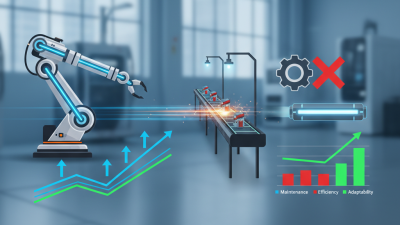
The benefits of linear motors include reduced maintenance costs and improved system designs. Their simple construction often leads to less wear and tear. For example, linear motors can directly drive equipment without gears, which typically reduces friction. This advantage leads to extended equipment lifespans and lower downtime.
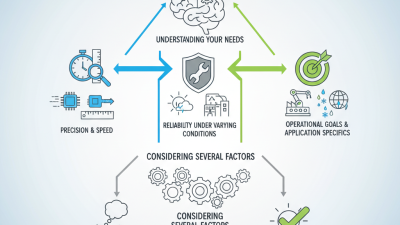
However, implementing linear motors isn't without its challenges. The initial investment can be significant, and not all applications may require such advanced technology. As industries evolve, evaluating the need for linear motors remains essential. Finding the right balance can maximize productivity and minimize costs.
Advantages of Linear Motors Over Traditional Motors in Industrial Applications
Linear motors offer significant advantages over traditional motors in industrial applications.
The most notable benefit is their direct-drive nature. This design reduces mechanical components, leading to lower maintenance costs. According to a report by the International Electromechanical Equipment Association, linear motors can improve efficiency by up to 30%. This efficiency translates into faster production times, which is crucial in competitive markets.
Another important aspect is precision. Linear motors can deliver movement with high accuracy, often within microns. This precision is vital for industries such as semiconductor manufacturing and robotics. In fact, data from the Advanced Manufacturing Research Organization indicates that linear motors enhance positioning accuracy by 50% compared to traditional systems. With tighter tolerances, companies can reduce waste and increase product quality. However, the initial investment in linear motor technology may be daunting for some businesses, which can slow down adoption.
The flexibility of linear motors also stands out. They can be used in various applications, from conveyors to CNC machines. The ability to customize them for specific tasks allows companies to optimize their production lines. Yet, not all linear motor systems are ideal for every scenario. Some applications may still benefit from traditional motors, depending on load requirements and operational conditions. This calls for a careful evaluation to ensure that the investment pays off effectively.
Improved Efficiency: How Linear Motors Reduce Energy Consumption
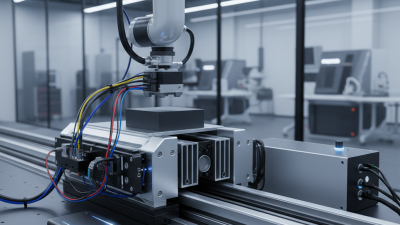
In the world of industrial automation, linear motors stand out for their potential to boost efficiency while minimizing energy consumption. These motors operate without gears, providing direct linear motion. This design eliminates mechanical friction, leading to smoother operations. As a result, energy costs are often significantly reduced.
A noteworthy aspect is the minimal energy loss in linear motors. Traditional motors waste energy due to heat and friction. In contrast, linear motors deliver high torque at low speeds. This is crucial in high-precision applications such as assembly lines or robotics. They can cut energy usage by up to 40%. This reduction is not only economic but also environmentally friendly. Industries are becoming increasingly conscious of their carbon footprint.
Tip: To maximize benefits, consider the specific application and load requirements. Regular maintenance of linear motors can enhance performance. Performing periodic inspections is crucial. Ensure that the system is clean and free of debris. It’s also beneficial to train staff on the proper operation of these motors. The knowledge improves workplace safety and efficiency.
Enhanced Precision in Positioning: The Role of Linear Motors
Linear motors have revolutionized industrial automation, especially in enhancing precision in positioning. According to a report by MarketsandMarkets, the linear motor market is projected to grow significantly, with an estimated value of over $3 billion by 2025. This growth can be attributed to their ability to deliver accurate motion control in various applications.
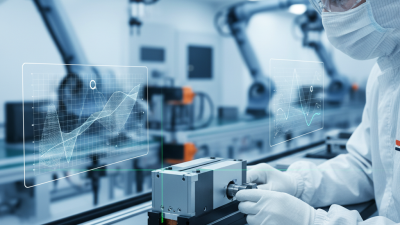
Unlike conventional motors, linear motors provide direct drive systems. This eliminates the need for complex mechanical components like gears or belts. With a resolution of up to 1 micron, they ensure that positioning is swift and exact. Industries such as semiconductor manufacturing and CNC machining rely heavily on this precision for optimal performance. However, while linear motors offer benefits, they can require more sophisticated control systems that necessitate careful calibration. A report from Research and Markets highlights that improper installation can lead to inefficiencies and higher operational costs.
Moreover, the versatility of linear motors allows their integration into various applications. From robotics to conveyor systems, they deliver consistent results. This adaptability is essential as industries strive for intelligence in production processes. Interestingly, growing demands for energy-efficient solutions mean that linear motors are continually evolving. As they become mainstream, companies must stay updated with the latest technology to fully leverage their capabilities. This makes it crucial for businesses to routinely assess their use of linear motors and the effectiveness of their operational strategies.
Maintenance Benefits: Lower Upkeep Costs with Linear Motor Systems
Linear motors have revolutionized the way industries manage their operations. One of the most significant advantages is their lower maintenance costs. These systems typically involve fewer moving parts compared to traditional motors. This reduction minimizes wear and tear, resulting in less frequent repairs. Consequently, companies can redirect funds that would otherwise go to maintenance towards innovation or workforce development.
Incorporating linear motors can also lead to better reliability. Traditional motors often require constant attention and adjustments. In contrast, linear motors can run continuously with minimal supervision. Fewer breakdowns mean less downtime. It creates a more efficient production environment. However, it's essential to acknowledge that initial installation costs may be higher. Understanding long-term savings, businesses can make informed decisions.
While linear motors offer substantial benefits, they are not without their challenges. Some industries may struggle with the transition. Staff training may be necessary to ensure proper use, adding to initial expenses. It's vital for organizations to weigh these aspects carefully before adopting new technology. Balancing upfront investments with potential savings is crucial for sustainable growth.
Versatility of Linear Motors Across Different Industrial Sectors
Linear motors have gained popularity across various industrial sectors due to their unique advantages. They offer high precision, flexibility, and efficiency. This versatility enables industries such as automotive, packaging, and semiconductor manufacturing to optimize their operations. In automotive assembly, for example, linear motors can position parts with incredible accuracy, ensuring smooth assembly lines.
Tips: Consider your specific application needs. Evaluate the type of movement—whether straight or curved—required in your industry. Linear motors can adapt to many configurations but understanding your requirements is crucial.
In packaging, linear motors excel in speed and accuracy. They minimize waste and enhance product delivery times. This efficiency translates to higher productivity rates, which is essential in today’s competitive markets. However, the initial setup cost might be higher compared to traditional methods. Thus, conducting a cost analysis is beneficial before making a switch.
Tips: Research case studies from similar industries. Learning from others can provide insights into potential challenges and practical solutions. Gathering data on both successes and setbacks can guide informed decisions.