What Are the Benefits of Tube Laser Cutting Machines?
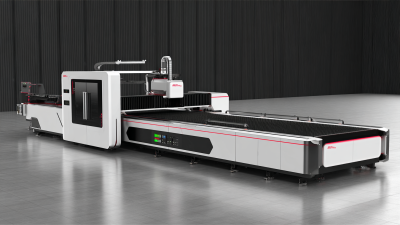
In the rapidly evolving world of manufacturing, the tube laser cutting machine stands out as a game-changer. Industry expert Dr. Amelia Chen once remarked, "The precision and efficiency of tube laser cutting machines are unmatched in modern fabrication." This statement highlights the transformative impact these machines have on various sectors, from automotive to aerospace.
Tube laser cutting machines offer numerous advantages. They enhance production speed and reduce material waste. This efficiency leads to significant cost savings. Additionally, they allow for intricate designs that were difficult to achieve with traditional cutting methods. The technology provides flexibility, enabling manufacturers to easily adapt to changing market demands.
However, not all businesses are fully aware of these benefits. Some may hesitate to invest in new technologies like the tube laser cutting machine. Potential users must reflect on the balance between initial costs and long-term gains. Embracing innovation can be daunting, but the rewards, in terms of quality and productivity, are often worth the leap.
Benefits of Tube Laser Cutting Machines for Precision Engineering
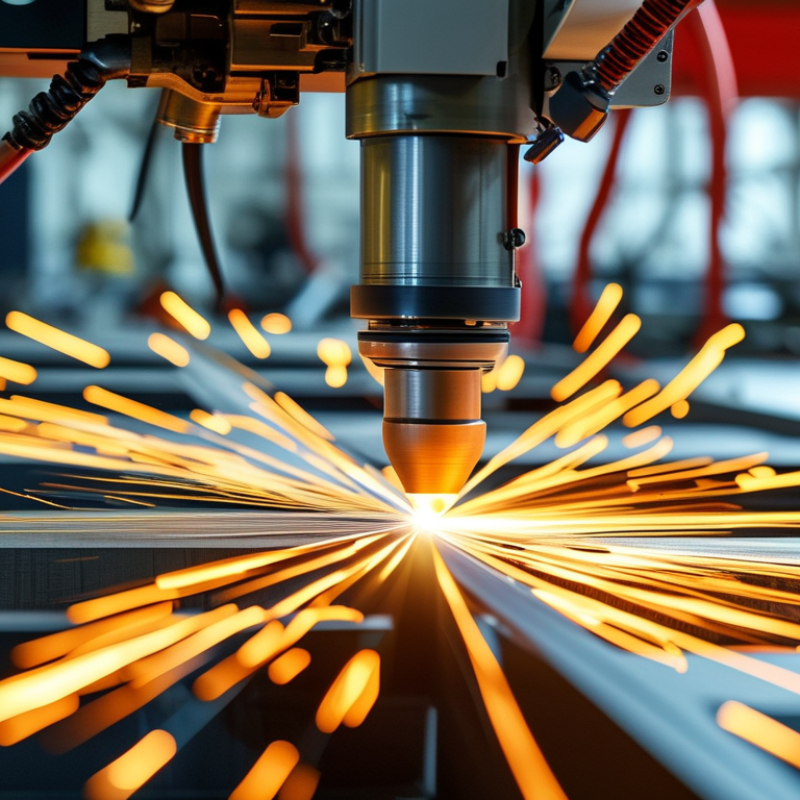
Tube laser cutting machines have transformed precision engineering by offering unmatched accuracy and speed. These machines utilize advanced laser technology to cut through various materials, ensuring clean edges and intricate designs. The precision obtained through laser cutting minimizes the need for further processing, saving both time and resources in the engineering workflow. Manufacturers can produce complex shapes that traditional methods struggle with, enhancing the creative possibilities.
For those considering tube laser cutting machines, proper training is essential. Operators need to understand the capabilities and limitations of their equipment. Familiarizing themselves with the software and machine settings can significantly impact the quality of the final product. Additionally, regular maintenance checks can prevent downtime and prolong the machine's lifespan.
Maintaining a balance between precision and speed can be challenging. It's crucial to analyze the trade-off between the two, as pushing for faster results may compromise quality. Engaging in regular review sessions can help teams identify areas of improvement. By embracing feedback and learning from each project, engineers can refine their processes and enhance their overall productivity in precision engineering.
Cost Efficiency: Comparing Traditional Cutting Methods to Laser Cutting
Tube laser cutting machines offer significant cost efficiency compared to traditional cutting methods. They utilize advanced technology to achieve precision cuts, reducing wasted material. In contrast, conventional methods often leave behind scrap metal, leading to increased costs. Companies can save money on both materials and labor when they switch to laser cutting.
When considering a transition to laser cutting, think about the initial investment. The upfront cost can be higher than traditional machines. However, over time, the savings in operational efficiency and reduced material waste often offset these expenses. It's crucial to analyze your production volume to determine if the switch is financially viable.
Communication with your staff is key during this transition. Educate them on both the capabilities and limitations of laser cutting technology. Ensuring everyone understands the process can prevent costly mistakes and enhance productivity. Routine maintenance is also essential. Regular checks can maximize the lifespan of the machine and ensure it operates at peak efficiency, further enhancing cost savings in the long run.
Enhancing Production Speed: The Impact of Laser Cutting Technology
Laser cutting technology has revolutionized the manufacturing industry. Tube laser cutting machines enhance production speed significantly. They leverage high-powered lasers to cut materials with precision. This avoids the complexities of traditional cutting methods, which often require additional processes.
Faster production times are a key benefit. Tube laser machines can process multiple pieces in a single operation. This efficiency reduces idle time and resource wastage. Workers can focus on other tasks, driving overall productivity. However, the initial investment may be high. Businesses must consider their production volume and long-term needs.
The accuracy of laser cutting also allows for intricate designs. This technology supports complex shapes that other methods struggle to achieve. However, if not managed properly, the speed can compromise quality. Operators need proper training to maximize benefits. Balancing speed and quality is crucial for successful implementation.
Production Speed Comparison: Traditional Cutting vs. Tube Laser Cutting
This chart illustrates the production speed of traditional cutting methods compared to tube laser cutting technology. Tube laser cutting significantly enhances production speed, enabling a higher output rate, which improves overall efficiency in manufacturing processes.
Versatility in Material Handling: Tubes, Pipes, and Complex Shapes
Tube laser cutting machines have transformed the way industries handle materials. Their versatility shines particularly in dealing with tubes, pipes, and complex shapes. These machines can cut various materials like steel, aluminum, and brass with precision. They accommodate different sizes and thicknesses, making them essential for many applications. In construction or automotive sectors, custom shapes are often required. Tube laser cutting provides the flexibility needed to create intricate designs.
Handling complex shapes brings unique challenges. Not all cutting methods achieve the desired outcome. Tube laser cutting, however, excels in producing clean cuts. The technology minimizes waste and optimizes material use. This efficiency can lead to cost savings and reduce production time. The precision of the cuts ensures better assembly and fitting.
Despite their advantages, tube laser cutting machines require attention and maintenance to perform at peak efficiency. Operators need to be trained properly. Understanding the intricacies of different materials is crucial. Missteps in adjusting settings can lead to imperfections in the final product. Regular maintenance checks can prevent potential issues and improve reliability. Such considerations highlight a proactive approach in using advanced cutting technology.
Improved Quality and Reduced Waste: The Precision of Laser Cutting
Tube laser cutting machines offer remarkable precision, significantly enhancing the quality of finished products. According to a report from the International Laser Services Association, laser cutting can achieve tolerances of up to ±0.1 mm, which is critical for industries requiring exact specifications. The capability to produce intricate shapes while minimizing kerf width reduces the amount of scrap material generated during the cutting process. Estimates suggest that this can lead to a waste reduction of up to 30%. This not only helps manufacturers save costs but also aligns with sustainability goals.
Moreover, the rapid speed of tube laser cutting contributes to overall efficiency. For example, research published by the Fabricators & Manufacturers Association indicates that switching from traditional cutting processes to laser cutting can enhance production rates by 50%. Faster turnaround times allow companies to respond to market demands quickly, yet this increased speed doesn't compromise accuracy. On the contrary, the automated focus adjustments during cutting ensure that even complex profiles maintain integrity and quality throughout the production cycle. However, it’s essential to reflect on the initial investment costs and training necessary for operators, as these factors can present challenges for some businesses.