Solenoid Valve in Irrigation System Benefits and Applications?
The role of the Solenoid Valve In Irrigation Systems is crucial for modern agriculture. This technology enhances water management and efficiency. Farmers need reliable systems to ensure crops receive the right amount of water. The solenoid valve in irrigation systems provides precise control over water flow. It operates electronically, reducing the need for manual labor.
Water conservation is vital in today’s world. By using solenoid valves, farmers can minimize waste. These valves allow for automatic operation, adapting to weather conditions and soil moisture. However, not all installations are perfect. Some users face challenges like maintenance issues or incorrect settings.
Understanding these valves' benefits and applications can help optimize irrigation systems. A well-functioning solenoid valve can significantly improve crop yield and quality. Still, it is essential to assess one's needs carefully. Balancing technological advantages with practical issues is necessary for effective irrigation management.
Benefits of Solenoid Valves in Modern Irrigation Systems
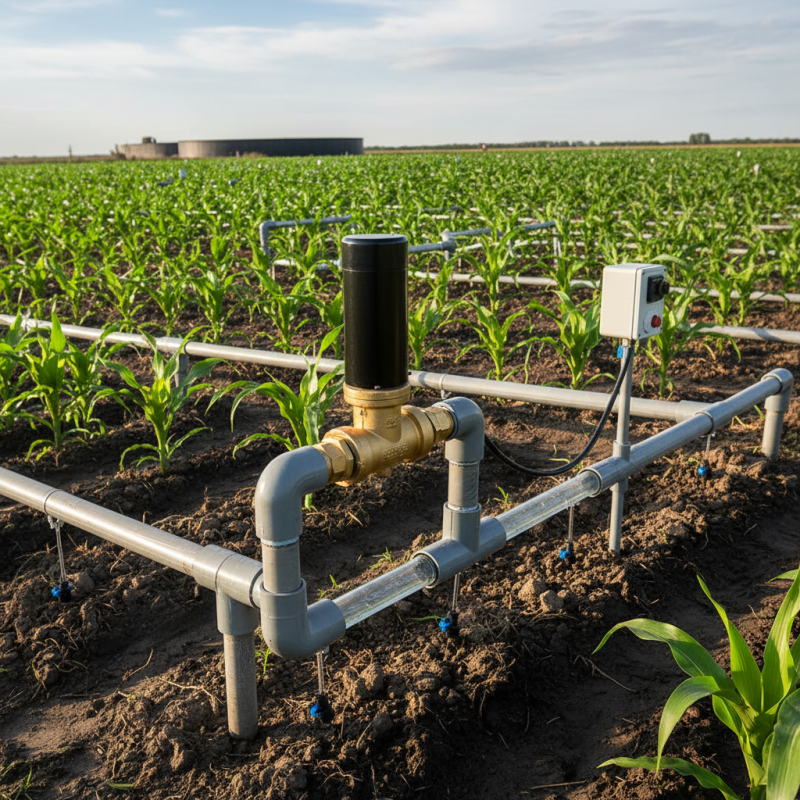
Solenoid valves have become essential in modern irrigation systems. They contribute to efficient water management. These valves control water flow automatically. This feature saves time for farmers and landscapers. Manual operation can be tedious and prone to errors.
One major benefit is precision in water application. Solenoid valves can be programmed for specific schedules. This ensures that plants receive the right amount of water. However, programming can be complex. Misconfigurations may lead to over or under-watering. Regular checks are necessary to prevent such issues.
Durability and low maintenance are other advantages. Solenoid valves can withstand harsh conditions and varying pressures. They tend to last longer than manual valves. Still, users must inspect them regularly. Rust or mineral buildup can impair functionality. Being proactive about maintenance is crucial for optimal performance.
Key Applications of Solenoid Valves in Agriculture
In modern agriculture, solenoid valves play a crucial role in irrigation systems. These valves automate the flow of water, making irrigation more efficient. Farmers can program them to operate at specific times, ensuring crops receive the right amount of water. This capability is particularly beneficial in regions facing water scarcity. Automated systems reduce labor costs and minimize human error in irrigation management.
Key applications of solenoid valves include greenhouse operations and drip irrigation setups. In greenhouses, controlling humidity and temperature is vital for plant health. Solenoid valves help maintain these conditions by regulating water flow. In drip irrigation, these valves deliver water directly to the roots, reducing waste and promoting deeper root growth. However, not all installations can achieve optimal performance. Regular maintenance is needed to prevent clogs and ensure consistent operation.
The flexibility of solenoid valves enables their use in various agricultural settings. They can be integrated with sensors for real-time monitoring. This integration can lead to better decision-making. Yet, many farmers may overlook the importance of calibrating their systems correctly. Ensuring they are set up properly is essential for maximizing benefits. Automated systems have great potential but must be managed well to work effectively.
Solenoid Valve in Irrigation System Benefits and Applications
| Application Area | Benefit | Efficiency Gain | Water Savings (%) |
| Field Crops | Automated irrigation control | Increased accuracy in water delivery | 20-30% |
| Greenhouses | Optimized humidity control | Enhanced crop growth and yield | 15-25% |
| Orchards | Precision irrigation scheduling | Reduced water runoff | 25-35% |
| Landscape Irrigation | Automated cycle control | Minimal operator oversight required | 10-20% |
| Dairy Farms | Continuous water supply management | Stable hydration of livestock | 20-25% |
Efficiency Improvements through Automatic Irrigation Control
In modern irrigation systems, solenoid valves play a crucial role in automatic irrigation control. They enhance efficiency by regulating water flow based on real-time conditions. This technology uses minimal energy while delivering precise water management. Farmers can save resources while ensuring that crops receive the optimal amount of water.
Tips: Regular maintenance of solenoid valves is essential. Check for leaks and clogs. Operating conditions can change, affecting performance. Sometimes, you might overlook simple issues that lead to bigger problems.
By allowing an automatic response to soil moisture levels, solenoid valves prevent over-watering and under-watering. This responsiveness can result in healthier plants and reduced water waste. However, not every system automatically adjusts correctly. Some may require manual calibration to achieve the desired outcomes.
Tips: Monitor your system regularly. Make adjustments as needed, especially after rainfall. Awareness of local weather conditions can help optimize performance. Keeping an eye on system efficiency can reveal areas needing improvement.
Efficiency Improvements in Irrigation Systems with Solenoid Valves
Cost Savings and Water Conservation with Solenoid Valves
Solenoid valves are changing irrigation systems, especially when it comes to cost savings and water conservation. Studies show that automated irrigation can reduce water usage by up to 30%. This is crucial in regions facing drought. Efficient water distribution directly impacts crop yield and health.
Solenoid valves play a vital role in precision irrigation. They enable precise control of water flow, easily adjusting to soil moisture needs. This leads to less waste. A report by the Environmental Protection Agency indicates that irrigation systems using solenoid valves can save approximately 7 billion gallons of water annually in urban areas.
However, not all systems are perfect. Regular maintenance is key to ensuring optimal performance. Clogged valves or faulty wiring can lead to inefficiencies. Investing in training for operators can lead to better outcomes. Still, the upfront cost of solenoid valves can be a setback for some farmers. Balancing cost and efficiency remains a challenge that requires ongoing consideration.
Technical Specifications and Industry Standards for Solenoid Valves
When considering solenoid valves in irrigation systems, technical specifications and industry standards are crucial. Solenoid valves control water flow with precision. They help in maintaining optimal soil moisture levels, which is essential for healthy plant growth. The specifications often include voltage ratings, flow rates, and pressure limits. For instance, common voltage ratings are 12V and 24V.
Another important aspect is the materials used in these valves. Materials must withstand corrosive elements found in water. Brass or plastic is often preferred, depending on the environment. Additionally, adherence to industry standards ensures reliability and safety. Compliance reduces the risk of failures, which can disrupt irrigation.
There are still challenges. Not every installation adheres to specifications. This can lead to inefficiencies. Choosing the correct solenoid valve is not straightforward. Assessing the needs of the irrigation system is vital, yet sometimes neglected. Regular maintenance is often overlooked, leading to more problems in the long run. Proper training on valve operation is also essential. Without it, users may not maximize the benefits of these components.