What is an AC Charging Station and How Does it Work?
Electric vehicles (EVs) are revolutionizing the way we travel. However, the infrastructure to support this shift is crucial. An Ac Charging Station is a key component in this new landscape. It provides a reliable way to recharge EV batteries. Understanding how an AC Charging Station works is vital for EV owners.
AC Charging Stations convert alternating current from the grid into a form that EVs can use. This process occurs in the vehicle’s onboard charger, enabling efficient power transfer. While these stations are common, the speed of charging can vary. Some users may find they need to plan longer stops during travel.
Despite the advantages, there are challenges. Not all stations are accessible everywhere. The variety of charging options can be confusing for new users. As the EV market grows, improving the infrastructure becomes essential. We need clearer information on AC Charging Stations to ensure smooth electric vehicle journeys. Taking a closer look at their function helps demystify this technology for everyone.
What is an AC Charging Station?
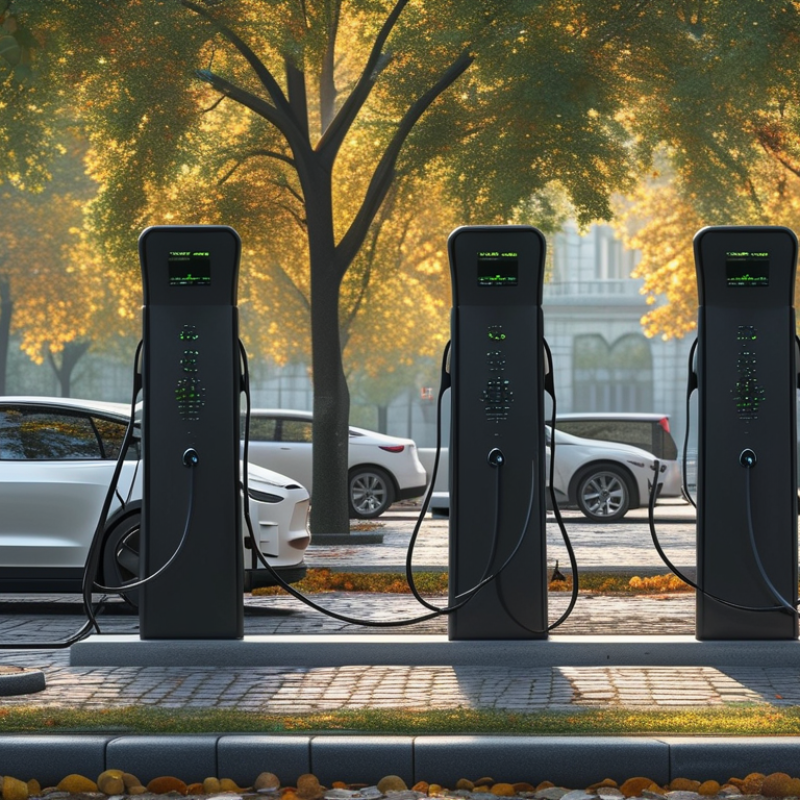
An AC charging station is a crucial component of electric vehicle (EV) infrastructure. It supplies alternating current (AC) electricity to recharge EV batteries. This type of station is widely available and can be found in various locations, including parking lots and public spaces. Many people rely on these stations to conveniently charge their vehicles while they run errands or work.
When an EV is connected to an AC charging station, the vehicle's onboard charger converts AC to direct current (DC) for the battery. The power levels can vary. Level 1 stations provide a slow charge using standard household outlets, while Level 2 stations offer faster charging options. However, charging times can still be lengthy compared to conventional fueling. Users may find themselves waiting longer than expected, especially if the station is busy.
One challenge with AC charging stations is the need for proper installation and maintenance. Inadequate setups can lead to inefficiencies and safety concerns. While many stations are reliable, some may experience technical issues. Users should remain vigilant and report any problems they encounter. As the technology evolves, improving the reliability of AC charging stations will be essential for the growing electric vehicle market.
What is an AC Charging Station and How Does it Work?
| Feature | Description |
| Type of Charging | Level 2 AC charging |
| Charging Speed | Approximately 10-20 miles of range per hour |
| Connector Type | J1772 connector standard for North America |
| Power Output | Typically 3.7 kW to 22 kW |
| Installation Location | Public charging stations, residential garages |
| Usability | Compatible with all EVs that use J1772 connectors |
| Cost of Installation | Ranges from $500 to $2,500 including equipment and labor |
| Maintenance | Minimal, regular inspections recommended |
Components of an AC Charging Station
An AC charging station is essential for electric vehicle (EV) charging. It converts alternating current from the grid into a usable form for vehicles. Understanding its components helps in grasping how it operates and its efficiency.
At the heart of an AC charging station are the charging cables and connectors. They transfer electricity from the station to the vehicle. The connectors vary in design, influencing the charging speed. An onboard charger in the vehicle plays a crucial role. It takes AC power and converts it into direct current (DC), which the battery can store. This process is vital in determining how quickly the battery charges.
Another key component is the control unit. It manages communication between the station and the vehicle. This ensures a safe and efficient charging process. Sometimes, users face challenges with compatibility. Different vehicles may not work with all stations. This can lead to confusion and delays. Regular updates and standardization could help address these issues. Understanding these components can improve the charging experience for users and manufacturers alike.
How AC Charging Works: The Process Explained
AC charging stations play a crucial role in the electric vehicle (EV) ecosystem. These stations provide alternating current (AC) to charge the battery of an electric vehicle. The charging process involves connecting the vehicle to the station via a charging cable. This connection allows energy to flow from the station to the vehicle's onboard charger, which converts AC into direct current (DC) for battery storage. According to the International Energy Agency, as of 2022, over 2.3 million AC charging points were available worldwide, underscoring their importance.
The charging time at these stations can vary significantly. On average, AC charging can take anywhere from 4 to 8 hours for a full charge, depending on the EV’s battery capacity. This slower process can be both a benefit and a drawback. While it allows for overnight charging at home, it can also lead to long wait times at public stations when demand is high. Interestingly, numerous studies indicate that many EV users do not fully understand the implications of this slower charging process. This gap in knowledge is an area requiring attention, particularly as EV adoption grows.
The reliability of AC charging infrastructure remains a concern. While many stations are operational, not all are consistently maintained. Increased usage often leads to malfunctioning chargers. The World Economic Forum emphasizes the need for standards and better performance tracking. This approach can ensure the stations meet reliability expectations and support the rapid expansion of electric vehicle adoption.
AC Charging Station Usage Statistics
This chart represents the average charging time required for electric vehicles using different levels of AC charging stations. Level 1 chargers typically take the longest, while Level 3 chargers offer the quickest charging solution.
Types of AC Charging Stations Available
AC charging stations are essential for electric vehicles, providing a convenient way to recharge. There are several types available, each catering to different needs and environments. Level 1 charging stations utilize a standard household outlet. This method is simple but slow, typically delivering about 4-5 miles of range per hour. It’s ideal for home use or long overnight charges.
Level 2 stations offer a faster option, delivering 10-60 miles of range per hour. They are commonly found in public places like shopping centers and workplaces. These stations require a higher voltage and are more effective for daily commuters. Finally, DC fast chargers significantly reduce charging time to around 30 minutes for substantial range, making them perfect for road trips or busy urban areas. However, these stations can be pricier to install and maintain.
Selecting the right station involves considering the vehicle type, charging speed, and location. Not all vehicles can use every type of station. Compatibility is crucial. Users should also reflect on their charging habits and access to charging infrastructure. This information ensures reliable and efficient charging experiences.
Benefits and Limitations of AC Charging Stations
AC charging stations offer many benefits and limitations. Their primary advantage is convenience. Electric vehicle (EV) owners can easily find charging stations in various locations. Most installations are user-friendly, allowing quick plug-in connections. Additionally, these stations typically feature different charging levels, catering to diverse needs.
However, AC charging comes with some drawbacks. Charging is often slower compared to DC stations, which can lead to longer wait times. While suitable for home and workplace use, public stations may not always be available. Furthermore, the charging time can vary based on the vehicle’s battery capacity and the station’s power output.
Despite these challenges, AC charging remains a practical choice for many. It's crucial for EV users to understand their charging habits and preferences. Balancing convenience with charging speed can improve the overall experience. Awareness of these factors will help users make informed choices about their EV charging needs.